Raven Chapman in Medically Induced Coma After Sparring Session Brain Bleed
A routine sparring session in Denmark has left British boxer Raven Chapman fighting for her life after a brain bleed.
Raven Chapman Hospitalised After Sparring Brain Bleed in Denmark
Raven Chapman, a British professional boxer, was airlifted to a hospital after suffering a brain bleed during a sparring session in Denmark on 24 July. She was placed in a medically induced coma while medics stabilised her condition.
The injury occurred outside the formal competition circuit. Sparring sessions are where fighters prepare for the violence they will face under official rules, yet they remain among the least regulated moments in a boxer's week. There are no judges, no ringside physicians, no immediate broadcast cameras. That absence of oversight is why sessions like the one Chapman participated in demand the highest standards of control.
A brain bleed, clinically referred to as an intracranial haemorrhage, occurs when blood vessels within or around the brain rupture. In boxing, this is typically the result of repeated blunt force trauma to the head, often accumulating over a fight or a hard sparring round. The brain floats in cerebrospinal fluid, and every acceleration-deceleration event caused by a punch makes it shift against the skull. Over time, or in a single severe instance, tiny vessels can tear.
Placing a patient in a medically induced coma is standard protocol for significant brain injuries. It reduces metabolic demand on the brain, limits swelling, and gives clinicians a controlled window to assess the extent of the damage through imaging and neurological monitoring. Chapman's placement in a coma indicates the injury was serious enough that her medical team judged unconsciousness as the safest path forward. The next 48 to 72 hours will be critical in determining prognosis, though even with modern neurosurgical care, outcomes from traumatic brain bleeds remain unpredictable.
There is a well-documented gap between the risk profiles of sanctioned competition and unsupervised sparring. In a professional bout, a ringside physician can stop a fight, cutmen work to manage swelling between rounds, and the athlete's team has a full medical team on call. Sparring, particularly in foreign camps where a fighter may not have their usual medical support network, operates with fewer safeguards. The fighter is often pushing harder than in a normal training session, simulating fight intensity, which increases the force and frequency of head trauma.
Chapman's camp will now face the question every trainer and manager in combat sports wrestles with: where is the line between necessary preparation and unacceptable risk? There is no universal answer. Fighters cannot prepare for competition without taking head impacts in the gym. But they also cannot afford to treat sparring as anything other than controlled violence.
Chapman's recovery timeline will dictate her professional future, if she returns to the sport at all. A brain bleed of this severity typically requires weeks of hospitalisation, followed by a prolonged rehabilitation period. Even if she emerges with full neurological function, the psychological weight of such an event is significant. Fighters who have suffered traumatic brain injuries often report heightened awareness of risk, altered training methods, and in some cases, permanent changes to how they approach the sport.
The boxing community in Britain and Denmark is watching closely. Chapman's case will add to an ongoing conversation about sparring regulations, medical monitoring standards in training environments, and the responsibility of camps to prioritise long-term athlete health over short-term preparation intensity.
Editorial Integrity
This is an original SportPulse article written by our editorial team. All content is independently researched, written, and reviewed by our writers and editors before publication. We do not publish copied, aggregated, or syndicated content.
SportPulse is committed to original sports journalism. Read our editorial policy or contact us with any questions.
More Like This
All long-reads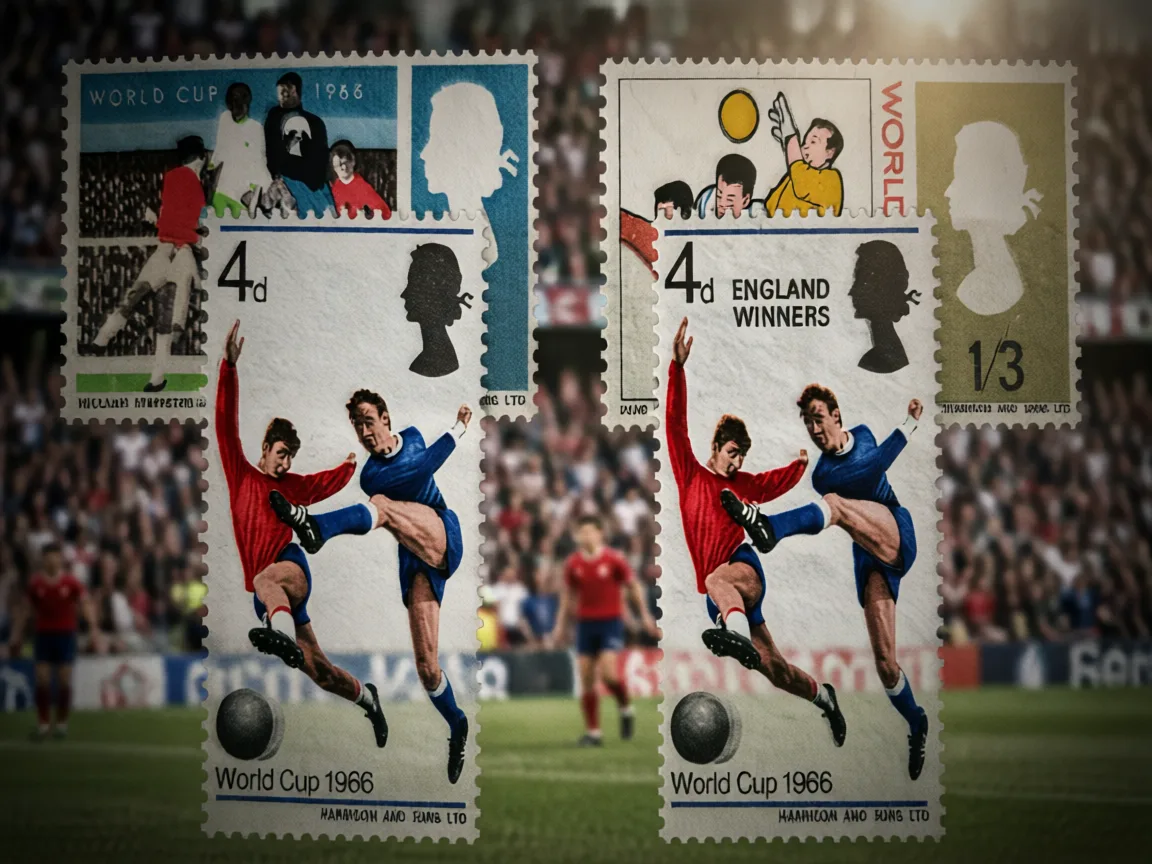
From Cold War Souvenirs to Vuvuzelas: A Tactical History in Memorabilia
World Cup memorabilia from 1966 to 2010 reveals how football's tactical culture shifted from institutional order to chaotic global spectacle.

Should We Leave Them to Die? Inside the Fight to Save Borneo's Orangutans
As palm oil devours Borneo's forests, conservationists face an agonizing question with no clean answer.
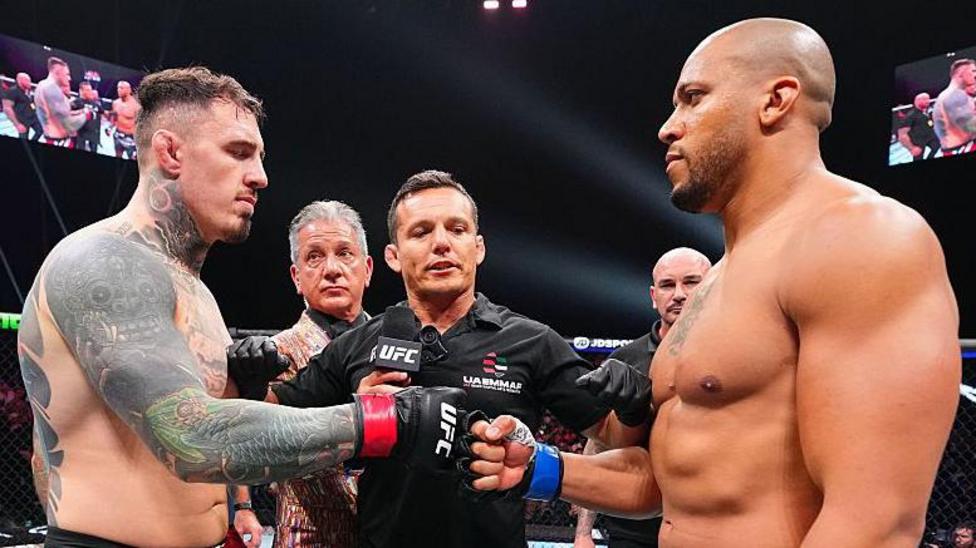
Gane Shrugs Off Aspinall's Cheater Claim As Heavyweight Feud Simmers
Ciryl Gane dismisses Tom Aspinall's explosive cheater accusation as mere opinion, but the UFC heavyweight rift deepens.