Roebuck In, Furbank Out: England's Back-three Crisis
Tom Roebuck's England call-up exposes a back-three injury crisis that reshapes Steve Borthwick's tactical options ahead of the Six Nations.
A Casualty Ward, Not a Selection Meeting
Steve Borthwick didn't draft Tom Roebuck into the England squad because he fancied a tactical tweak. He drafted him because the back-three cupboard is bare.
George Furbank's omission isn't a coaching preference. The Northampton Saints fullback has been sidelined by injury, robbing England of their most composed last-line-of-defence option. Furbank's absence ripples outward, forcing Borthwick to juggle positions, personalities, and systems all disrupted once again.
The Sale Sharks wing's promotion isScene a consequence of arithmetic as much as aptitude. Borthwick needed bodies. Roebuck provided one.
The Roebuck Profile: Raw but Ready?
Tom Roebuck is not a household name outside the corridors of Premiership nogosse analysis. That's about to change.
Roebuck's appeal lies in his domestic form. He's been one of Sale Sharks' most consistent performers during a campaign that has demanded consistency. The 23-year-old brings physicality, aerial ability, and a finishing instinct honed on the muddy pitches of the Premiership.
- Aerial contest win rate: Among the top tier of Premiership wings this season
- Clean breaks: Demonstrated consistently against top-four opposition
- Defensive read: Solid but unspectacular, the Borthwick baseline
What Roebuck lacks in international experience he compensates for with a Premiership education. He's faced the best wingers England has to offer. He's been tackled by Maro Itoje in training. He understands the physicality required.
But Test rugby is a different beast. The speed of thought, not just the speed of foot, separates the international from the merely good domestic operator.
The Numbers Behind the Call-Up
Roebuck's stats profile reveals a player trending upward at the right time. His carrying numbers place him in the upper quartile of Premiership wings for metres gained per 80 minutes. His tackle success rate, while not elite, sits comfortably above the 85% threshold Borthwick demands of his outside backs.
Perhaps most tellingly, Roebuck's work off the ball has improved markedly. His positioning on defensive kicks has tightened, his chasing lines on opposition exits have sharpened. These are the dirty-work metrics that Borthwick's England value above brilliant solo tries.
You don't get capped by Steve Borthwick for scoring tries. You get capped for preventing them and creating the platform. Roebuck's call-up screams platform.
Furbank's Absence: The Tactical Void We're Ignoring
Losing George Furbank is a genuinely sensible individual for England's system to lose. He organized the backfield. He made the right calls under high ball pressure. He was the calm voice in chaotic moments.
Furbbank's absence directly impacts:
- Defensive organisation: Who takes charge of the backfield communication?
- Exit strategy kicking: Who provides the midfield-reliable exit option?
- Attletic shape: Who fills the second-receiver role that Furbank occasionally adopted?
These aren't minor adjustments. They're structural changes.
England's back-three isn't just about who wears the 15 jersey. It's about how the triangle of fullback and two wings communicates, covers, and counters. Remove one vertex and the shape collapses.
The Candidates to Fill the Void
With Furbank out and Roebuck in, Borthwick faces a back-three rebuild.
Freddie Steward remains the obvious fullback option. His aerial game is elite, his positioning sound, but his attacking distribution has been questioned. Marcus Smith at fullback offers the ball-playing dimension but sacrifices height and aerial security. Tommy Freeman on the wing provides dynamism but is he a build-option?
Then there's Roebuck himself. Could he deputise at 15? It's unlikely but not impossible. Borthwick values versatility, and Roebuck's skill set isn't purely confined to the touchline.
The Wider Injury Context
Roebuck's call-up doesn't exist in isolation. It's part of a broader injury pattern that has disrupted England's preparation all season. The back-three has been particularly cursed.
Jack Nowell's lingering knee issues, Anthony Watson's Achilles rehabilitation, and now Furbank's absence have left Borthwick spreadsheet looking sparse. Each withdrawal forces another adjustment, another experiment, another risk.
The cumulative effect is tactical incoherence. You can't build a cohesive back-three system when the personnel change monthly. Borthwick knows this. He also knows he has no choice.
England's coaching team has been forced into firefighting mode, patching gaps rather than building structures. For a coach who prizes systematic excellence, this is purgatory.
What This Means for the Six Nations
England's Six Nations preparation now includes a wing who, three months ago, wasn't on the radar. That's not a criticism of Roebuck. It's a diagnosis of the situation.
The Six Nations demands a settled back-three. Counter-attack threat, aerial dominance, and defensive solidity are non-negotiables. With Ireland and France looming, England can ill afford a chaotic back-field.
Roebuck's promotion suggests Borthwick is prioritising Premiership form over reputation. It's a philosophical stance that aligns with his broader selection approach: pick the player who's playing, not the player who played.
The Bottom Line
Tom Roebuck deserves his shot. His form warrants it. But the manner of his arrival tells a deeper story about England's fragility.
Borthwick is managing a crisis, not executing a plan. The back-three juggle isn't tactical chess; it's damage limitation. Roebuck is a promising piece, but he's being asked to complete a puzzle that keeps losing its edge pieces.
England's Six Nations prospects hinge on whether the back-three can find cohesion quickly. Roebuck's integration will be fast-tracked. The clock is ticking. The fixtures wait for no one.
The challenge isn't whether Roebuck is good enough. The challenge is whether the system around him can function amid constant disruption. That's the question Borthwick must answer, and fast.
The Hard Road to the Matchday 23
Being called into camp is one thing. Making the matchday squad is another. Roebuck's immediate challenge is proving he belongs ahead of more established names.
Borthwick's England has shown willingness to cap new talent, but the back-three pecking order remains stubbornly hierarchical. Steward, when fit, wears the 15 shirt. Max Malins and Tommy Freeman occupy two wing berths by default. Henry Arundell's pace keeps him in the conversation even when his form wobbles.
Roaching that group requires Roebuck to outperform not just in skill, but in the trust metrics Borthwick values. Defensive reliability. Positional discipline. The willingness to do the unseen work.
Talent gets you into camp. Trust gets you onto the teamsheet. Roebuck has the first; now he must earn the second.
This is the unspoken audition. Every training session, every meeting, every video review is a test. Roebuck isn't just learning the playbook. He's proving he can execute it under pressure.
Sale's Loss, England's Gain?
Sale Sharks will feel the pinch. Losing a player to international duty during a Premiership run-in tests any squad. But Alex Sanderson's system develops players precisely for this moment.
Roebuck's absence from club duty, potentially for the Six Nations window, forces Sale to reshuffle their own back-three resources. The cycle of disruption travels down the chain. England's injury crisis becomes Sale's selection headache.
But there's a downstream benefit. Roebuck returns to Sale as a capped international. The experience, the intensity, the exposure to Borthwick's system. These accelerate development in ways domestic rugby cannot replicate.
Sale's investment in Roebuck is about to pay dividends. England's bet on him is just beginning.
The Verdict
Tom Roebuck's England call-up is a story of opportunity born from adversity. Furbank's injury opened a door. Roebuck's form kicked it open.
The tactical implications extend beyond one player. England's back-three is being rebuilt on the fly, and the Six Nations will judge whether Borthwick's improvisation can withstand the scrutiny of Test rugby.
Roebuck has the tools. England has the need. Whether those two forces align productively will shape the narrative of England's Six Nations campaign.
The coming weeks will reveal whether this is the start of a long international career or a brief cameo born of necessity. Either way, Roebuck's name is now on the team-sheet conversation. That alone is a victory.
For Borthwick, the bigger victory would be a settled back-three. Given the current casualty list, that might be the most optimistic proposition in English rugby right now.
Editorial Integrity
This is an original SportPulse article written by our editorial team. All content is independently researched, written, and reviewed by our writers and editors before publication. We do not publish copied, aggregated, or syndicated content.
SportPulse is committed to original sports journalism. Read our editorial policy or contact us with any questions.
More Like This
All football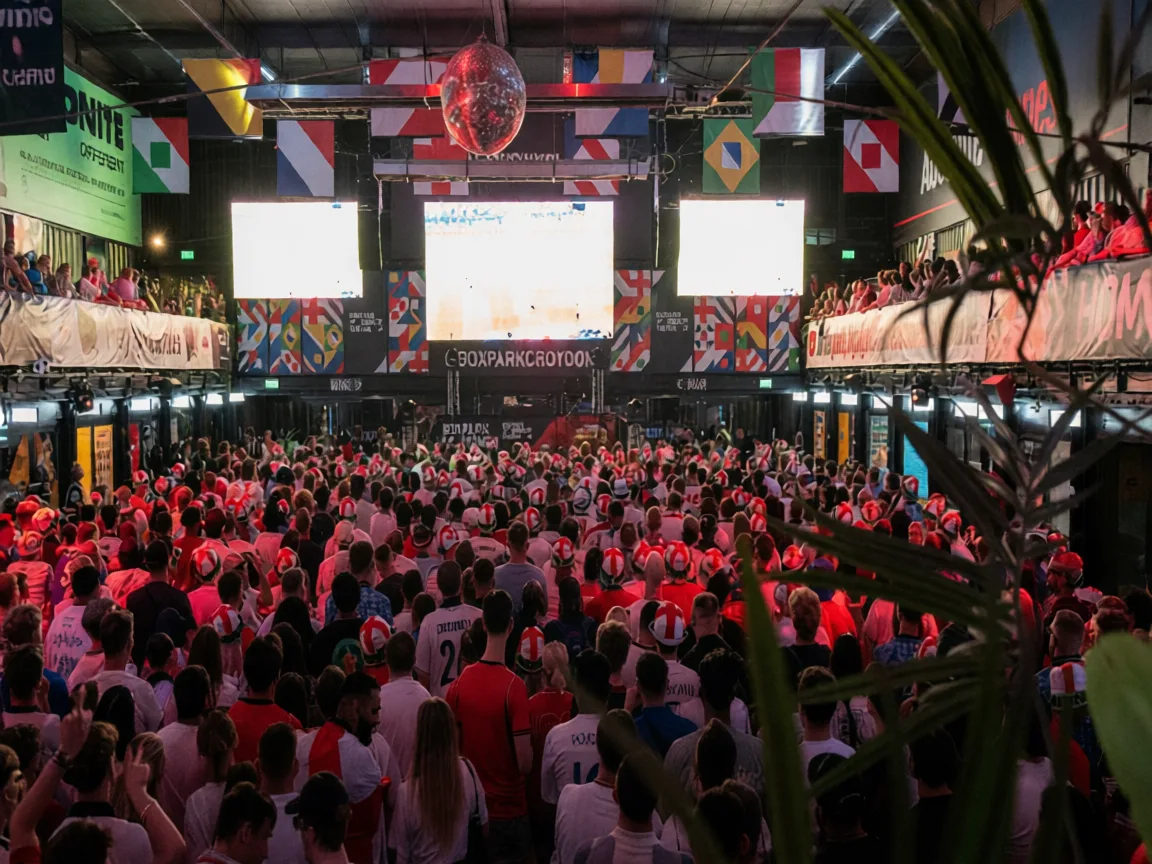
England's Fan Culture Reckoning: Police Plea Exposes Stadium Security Gap
A police chief's stark plea to England fans to mirror US supporter behaviour exposes deeper crowd management failures at home.
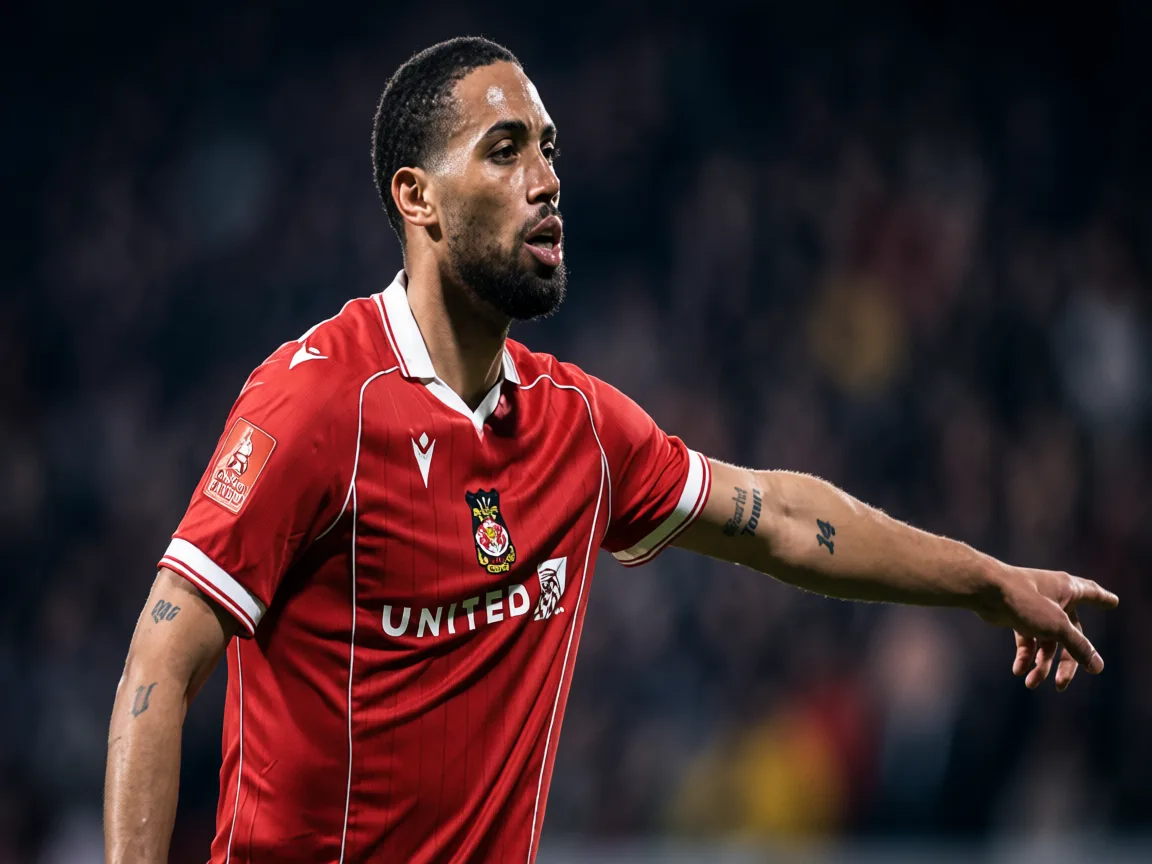
Vyner Eager to Witness Wrexham's Stateside Following Firsthand
Wrexham defender Zak Vyner is set to experience the club's booming American fanbase up close.
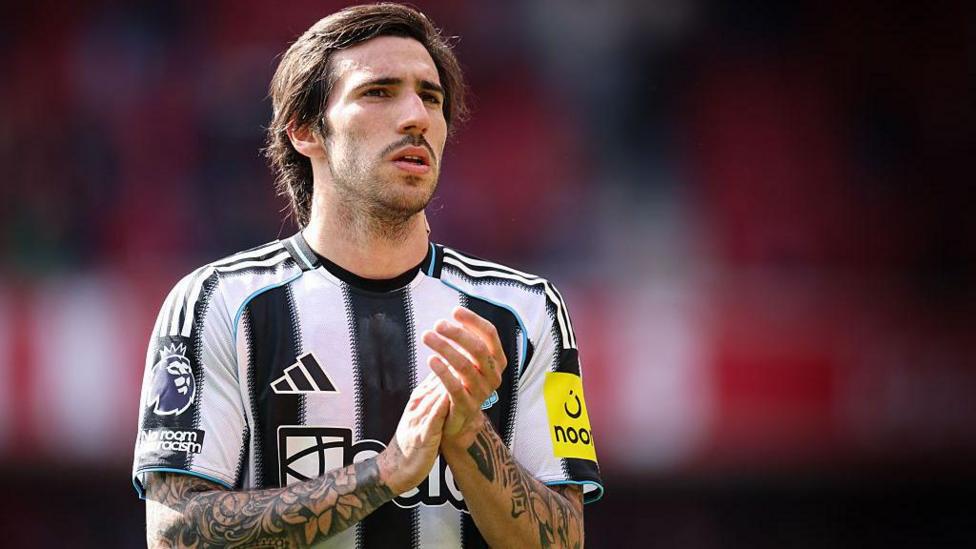
Tonali Pursuit Exposes Newcastle's Shrinking Market Power
Tottenham targeting Sandro Tonali proves Newcastle can no longer rely on premium allure to bridge the gap to the elite.