Royal Birkdale Bites Back: Opening Round Tests the Best
The Open's first round at Royal Birkdale delivered wind, grit, and a leaderboard already separating contenders from pretenders.
Birkdale Offers No Shelter
The 147th Open Championship is underway, and Royal Birkdale wasted no time reminding the world why it commands fear and reverence. The first round tested every facet of a champion's game. Wind gusts, firm fairways, and those infamous pot bunkers made scoring a battle.
Right out of the gates, the conditions were talking. Morning wave players faced a stiff test with crosswinds that turned approach shots into guesses. The afternoon groups found greens even firmer, but winds that had shifted direction entirely. For a field of 156 players chasing the Claret Jug, there was no place to hide.
Royal Birkdale, a true Northwest English links course, demands precision off the tee. Miss a fairway here and you are in thick, tangly rough that makes reaching the green in regulation practically impossible. The bunkers are penal by design, giving players no chance to advance the ball far when trapped.
Anatomy of a Birkdale Test
Links golf is a different beast, and round one exposed those unprepared for its demands. The ability to shape shots, flight the ball low under the wind, and putt on uneven terrain is essential. Players relying on high, soft golf shots were punished immediately.
The scoring average for the opening round reflected the difficulty. Par became a very good score, and anything under it felt like stealing. The course setup was fair, but the weather ensured it was never easy. Only a select few managed to keep a clean card without a blemish from the coastal elements.
The key to survival was patience. Aggressive play was penalized by the rough and the bunkers. Those who plotted their way around, accepting that pars were good and bogeys were sometimes acceptable, ended the day in good shape. Going for broke on every hole led to big numbers on the scorecard.
Early Front-Runners Under Pressure
The leaderboard after day one featured familiar names who know how to navigate an Open Championship. Experience matters on a links course, and it showed as veterans who have contended in majors before found themselves near the top. They trusted their routines, even when the wind howled and the rain threatened.
Among them was Bob MacIntyre, whose three-under 67 was a model of steady links golf. "It was exactly what I wanted," the Scotsman said after his round, embodying the patient, strategic approach needed to tame Birkdale.
Younger players and debutants faced a steeper learning curve. The scale of an Open at a venue like Birkdale can be overwhelming. The stands are massive, the crowds are deep, and the course demands your full attention on every single shot. maintaining focus for 18 holes in those conditions is a mental marathon.
To stay in contention after one round, a player needed a complete performance. Driving the ball accurately was paramount. Then, handling the approach shots to greens guarded by deep bunkers required pinpoint distance control. Finally, holing putts on surfaces that were firm and slick demanded a confident, steady stroke. There was a premium on every single shot.
The Pursuit of the Claret Jug Begins
The oldest championship in golf always carries a unique weight. The Claret Jug is the prize, but lifting it requires surviving four days of attrition. First round success guarantees nothing, but a slow start is a death sentence. The players knew the stakes, and the tension on the first tee was palpable early on Thursday morning.
A fast start is valuable, but context is key at an Open. The weather can change completely from one day to the next. The player who thrives on Thursday might face the worst of the weather on Friday. The eventual winner is the one who navigates the luck of the draw and the course over 72 holes, not just the opening stretch.
Looking ahead to the rest of the tournament, the key battlelines were drawn after round one. The cut looms large after Friday's play, meaning players on the wrong side of par are playing for survival. The weekend will then belong to those who can stay patient, manage their emotions, and execute under increasing pressure. Birkdale will continue to yield nothing easily.
Inside the Ropes and the Clubhouse
The walk off the 18th green told the story of the first round. Players who had shot under par looked relieved, their caddies offering congratulatory fist bumps as if they had survived a fight. Those over par wore the blank stares of athletes who knew they had left shots on the course, their minds already turning to what they needed to fix before Friday.
In the locker room, the atmosphere was hushed and focused. The air smelled of liniment and damp rain gear. Players peeled off layers, their backs to the cameras, deep in quiet conversation with their coaches and psychologists. Every table had a scorecard spread across it, analyzed alongside a yardage book looking for any marginal advantage for the next round. The mood was less celebratory and more about resetting for the battle ahead.
The practice area told a similar story of diligent work. The driving range was busy with players hitting low, punch shots into a crosswind, simulating the exact conditions they would face for the rest of the week. Putters were being rehearsed on the edge of the green, strokes measured and deliberate. There was no resting on a good round, and no panic over a bad one. Just quiet, intense preparation.
"You don't beat links golf, you survive it. Today was about managing the bad spots and taking your medicine when the course asks for it. We did that well, but it's only Thursday. The course will keep testing us." — Contender reflecting on the opening round
The caddies were the unsung heroes of the first round. Carrying heavy bags through the wind and rain is a physical task, but their role is so much more. They are the navigators, reading the wind direction, clubbing the player up and down, and keeping emotions in check. A good loop can be the difference between a missed cut and a tournament win. Watching the best caddies operate on the first day was a lesson in course management.
The galleries were out in force, undeterred by the weather. British golf fans know what to expect at an Open and they come prepared. They dressed in waterproofs and wool hats, standing six deep around the greens to cheer on good shots and groan at the bad bounces that links golf inevitable serves up. Their respectful applause and deep knowledge of the game added to the championship atmosphere.
The Bigger Picture
The first round of The Open at Royal Birkdale was a perfect reminder of what makes this championship unique. It is a test of golf stripped down to its rawest elements. Power is useful, but precision is essential. Technology helps, but shot-making and creativity win. It is a tournament where the weather is as much an opponent as the players in the field.
For the players, the dream of lifting the Claret Jug is still alive, but the road is long. The first page of the leaderboard is set, but there are three more chapters to be written. Friday will bring a new set of weather challenges, a shifting wind, and a changing course. The survivors of round one will have to adapt all over again.
What It Means
The opening round at Royal Birkdale means the stage is set for a thrilling weekend of golf. The players who have positioned themselves well after day one have a distinct advantage, but no lead is safe on a links course. The tournament will be won by the player who can control their ball flight, manage their patience, and accept the bad bounces that will inevitably come. The Claret Jug is the greatest prize in golf, and after one round, it is still very much up for grabs among a field of battle-tested contenders. The test continues, and Royal Birkdale is waiting.
Updated: 2026-07-16 — Added Bob MacIntyre's first-round score of 67 and his positive post-round comments.
Editorial Integrity
This is an original SportPulse article written by our editorial team. All content is independently researched, written, and reviewed by our writers and editors before publication. We do not publish copied, aggregated, or syndicated content.
SportPulse is committed to original sports journalism. Read our editorial policy or contact us with any questions.
More Like This
All football
Saudi Arabia's Billion-Dollar Gamble: Is SPL Wealth Translating to National Progress?
Saudi Arabia's creditable draw with Uruguay raises the real question: is the Saudi Pro League gold rush actually building a better national team?
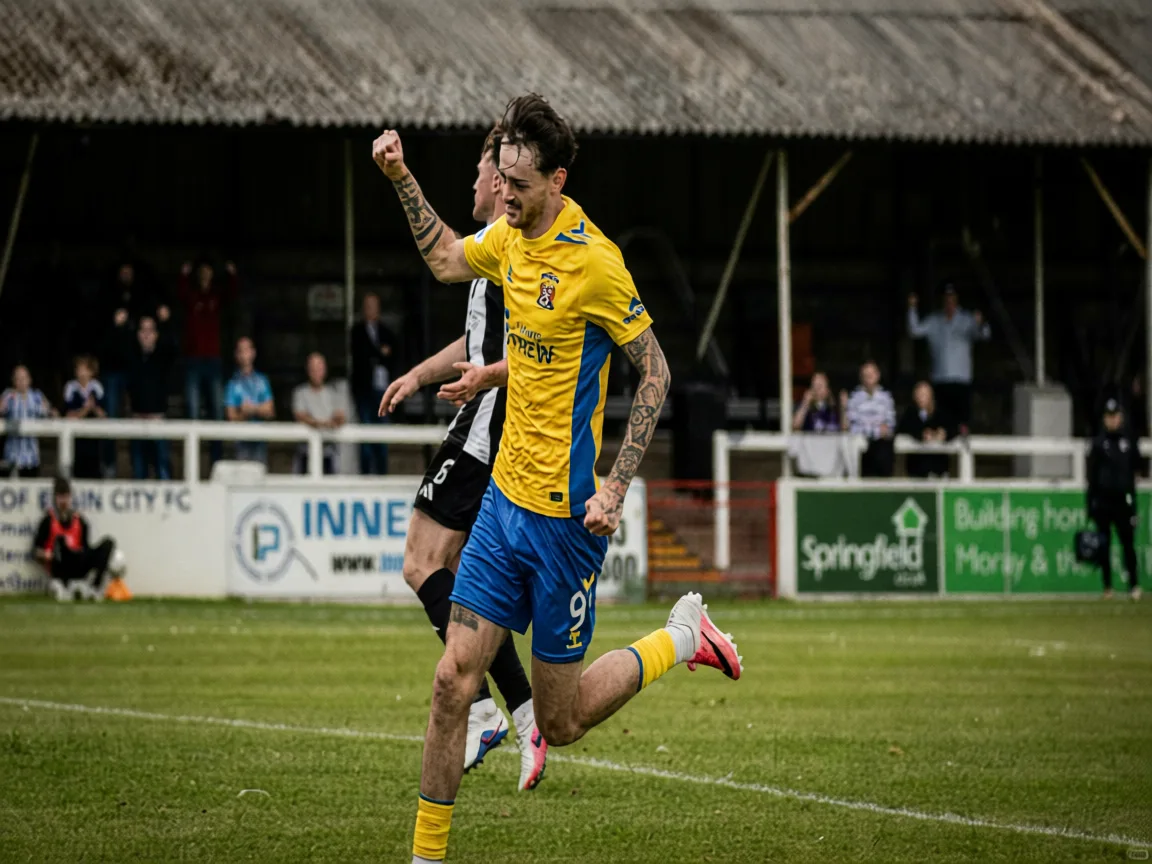
Kilmarnock's Late Escape Exposes Cup Survival Instincts
Ten-man Kilmarnock needed stoppage time to see off Elgin City, exposing the fragile psychology of Premiership sides navigating cup group stages.

Three Titans, One Stage: Mbappé, Haaland, and Messi Light Up the World Cup
Mbappé, Haaland, and Messi simultaneously hitting top form has the 2026 World Cup crackling with generational electricity.