Russell Snatches Austria Pole After Verstappen Crash Shakes Q3
George Russell seized a shock Austrian GP pole for Mercedes after Max Verstappen's Q3 crash cleared the path for a dramatic Ferrari front-row lockout.
The Red Bull Ring Erupts: Chaos in Q3
Overcast skies and crisp 20-degree ambient temperatures greeted the paddock at the Red Bull Ring, setting the stage for a qualifying session that defied every pre-weekend simulation. The short 4.318-kilometer layout, with its punishing combination of heavy traction zones and three DRS activation sectors, demands a precise mechanical balance between low drag for the long straights and sufficient downforce to hook up the rear end through the tight Turns 2 and 3. Track evolution was always going to be the defining variable. As the rubber laid down, the grip delta multiplied, turning the final Q3 runs into a high-stakes lottery of track position and tire preparation. Nobody, however, anticipated the jackpot would fall to Mercedes.
George Russell claimed pole position for the Austrian Grand Prix with a last-gasp 1:05.406 lap, beating the Ferrari pair of Charles Leclerc and Lewis Hamilton by a decisive 0.236 seconds in a conclusion that left the Spielberg crowd momentarily stunned. The Silver Arrows driver navigated a chaotic final minute of Q3, finding clear track and extracting the absolute maximum from the C4 soft compound when the timing screens seemed destined to paint the session red. It marks Russell's first pole since Canada and thoroughly dismantles the pre-session narrative of a straightforward Red Bull victory march.
On his cooldown lap, Russell's radio message crackled with a mixture of adrenaline and sheer disbelief. The underlying engineering data, however, suggests this was no pure fluke. Mercedes arrived in Austria with a uniquely efficient rear wing profile, sacrificing a fraction of cornering stability for devastating straight-line speed. When the grip ramped up, that low-drag configuration suddenly found the working window. Mercedes boss Toto Wolff heaped praise on Russell after the session, describing his final Q3 effort as "incredible" and one that came from him using "all his experience" in F1.
The Turning Point: Verstappen's Costly Miscalculation
The seismic shift in the session's trajectory occurred with just over four minutes remaining in Q3. Max Verstappen, who had looked imperious through the opening segments, lost the rear of his RB20 on the entry to Turn 3. The Dutchman was pushing to close a marginal 0.15-second deficit to his own provisional benchmark. The rear stepped out on the heavily degraded C4 rubber, and the resulting snap sent the Championship leader spinning into the gravel trap and hard into the Tech-Pro barriers.
The red flag froze the clock and froze the competitive order. More critically, it decimated the final run plans of the remaining nine cars. Drivers were forced to weigh the benefits of an extra preparation lap against the risk of heavily derating their tires. When the session resumed, the grid faced a single flying lap to decide the front of the field, with yellow flags waving in sectors where Verstappen's car was being cleared, forcing drivers to slow in those areas. Crucially, stewards confirmed that Russell's final timed lap was set before the yellow flags were deployed in the sector where he was on track, meaning he was not subject to an investigation for failing to slow under yellow. This allowed him to retain his pole position. Verstappen, meanwhile, was left watching from the garage, his 0.000 Q3 time consigning him to the rear of the top-ten shootout grid. Expect a somber debrief at the strategy wall.
Final Qualifying Order
- George Russell (Mercedes) — 1:05.406
- Charles Leclerc (Ferrari) — +0.236s
- Lewis Hamilton (Ferrari) — +0.272s
- Lando Norris (McLaren) — +0.330s
- Oscar Piastri (McLaren) — +0.401s
- Carlos Sainz (Ferrari) — +0.448s
- Max Verstappen (Red Bull) — No time (Q3 crash)
Strategy Breakdown: The Final Laps
The aftermath of the red flag presented a fascinating dilemma on the pit wall. With track evolution spiking, out-lap management became the decisive tactical battle. Several midfield runners, including rookie Kimi Antonelli who had displayed impressive pace but later rued a 'mistake' that cost him a front-row spot, opted for aggressive tire prep, risking flat-spotting the softs on the out-lap. Ferrari chose the conventional route, sending Leclerc and Hamilton out early to guarantee clean air. Mercedes countered by holding Russell back, releasing him into the slipstream of the pack. This latter approach normally sacrifices the all-important track position, but Russell's low-downforce wing meant his straight-line speed allowed him to compensate through the first and third sectors.
Ferrari's decision to prioritize clear air was fundamentally sound. The C4 compound requires a delicate thermal balance. Over-pressuring the tires on a crowded out-lap typically costs 0.2 to 0.3 seconds in the slow-speed traction zones. Ultimately, however, Russell's tow-assisted speed through Sector 1 offset the small thermal deficit, proving the Mercedes aerodynamic platform is finally developing genuine outright qualifying potential.
Ferrari's Defeat in the Detail
Charles Leclerc will rightly feel frustrated. The Monegasque had dominated the weekend's practice sessions, displaying a commanding pace in high-fuel configurations and stunning single-lap cranking speed. Losing pole by a substantial 0.236 seconds stings, particularly given the nuanced reality of Ferrari's tire usage on Sundays. The Maranello squad's qualifying edge has been built on a front-limited mechanical setup. This inherently aggressive platform, while extracting maximum front grip over a single flying lap, notoriously punishes the rear tires during race stints.
Ferrari Team Principal Fred Vasseur reacted to the outcome, acknowledging the additional challenge posed by the yellow flags during the final qualifying attempts. He noted that while the situation was difficult, the team had to accept the result and praised Leclerc's performance despite the circumstances.
Lewis Hamilton's appearance in third adds a captivating dynamic. The seven-time champion has recently demonstrated flashes of his vintage mastery, and his 0.272-second deficit to Russell suggests genuine performance convergence within the W15 garage. There will be ruthless strategic interplay between Hamilton and his present and future teammates. If Hamilton can apply immediate pressure into Turn 1, Ferrari may be forced to deviate from their optimum one-stop strategy to cover track position.
Verstappen Left Searching for Answers
In the immediate aftermath of the incident, the Red Bull camp offered little insight into the technical failure. Max Verstappen admitted he “can’t really explain” what caused his crash in the dying moments of Qualifying for the Austrian Grand Prix. The lack of clarity from the championship leader adds an layer of mystery to the Red Bull RB20's performance, leaving engineers and fans alike to speculate on whether the incident was purely driver error or a mechanical anomaly. For now, the question of why the rear stepped out at Turn 3 remains unanswered.
What the Numbers Say
- 3rd consecutive front-row start for Leclerc at the Red Bull Ring
- 0.236s — the gap separating Russell's pole from Leclerc's best effort
- 56% probability of a race win from pole at this circuit historically
- 4 points Russell gains on Verstappen in the Drivers' Championship standings
The Championship Calculus
Verstappen's crash is a costly error in the broader context of the 2024 title fight. While his lead remains substantial, the loss of potential pole and the ensuing damage limitation exercise on Sunday will test Red Bull's race pace superiority. Starting from P6 or lower, Verstappen must navigate a congested midfield on a circuit where DRS trains can neutralize pure car advantage. The mathematics are still overwhelmingly in his favor, but unforced errors breed doubt. The radio messages from Christian Horner post-crash will likely emphasize the need for composure.
For Mercedes, the 25-point maximum haul on Sunday is mathematically viable if Russell can convert his grid position into an early lead. This result injects momentum into a season where Mercedes has struggled to match the high-downforce efficiency of both Red Bull and McLaren. Securing pole at a low-grip, power-sensitive circuit provides an empirical data point that their upgrade path is yielding results. Every point scored now fundamentally shapes the financial and sporting reality of the Constructors' fight.
The Austrian Grand Prix promises a strategic battle defined by tire degradation and track position. Russell has the advantage of clean air. Leclerc has the outright race pace. Verstappen has the motivation, although whether that translates into a measured recovery drive or an overzealous lunge into Turn 4 remains the defining question of the weekend. The Spielberg tarmac is ready for the friction.
Updated: 2026-06-28 — Added Kimi Antonelli's qualifying mistake detail that prevented a front-row challenge.
Updated: 2026-06-29 — Added Mercedes boss Toto Wolff's praise for Russell's qualifying performance.
Updated: 2026-06-30 — Added Ferrari Team Principal Fred Vasseur's reaction to the yellow flag situation during qualifying.
Updated: 2026-07-01 — Clarified why Russell avoided an investigation over yellow flags to retain his pole position.
Update:
新文章强调罗素的快速思考和经验,但无实质性新事实补充。
Update:
提供奥地利大奖赛的正式发车顺序,作为排位赛结果的官方确认。
Editorial Integrity
This is an original SportPulse article written by our editorial team. All content is independently researched, written, and reviewed by our writers and editors before publication. We do not publish copied, aggregated, or syndicated content.
SportPulse is committed to original sports journalism. Read our editorial policy or contact us with any questions.
More Like This
All f1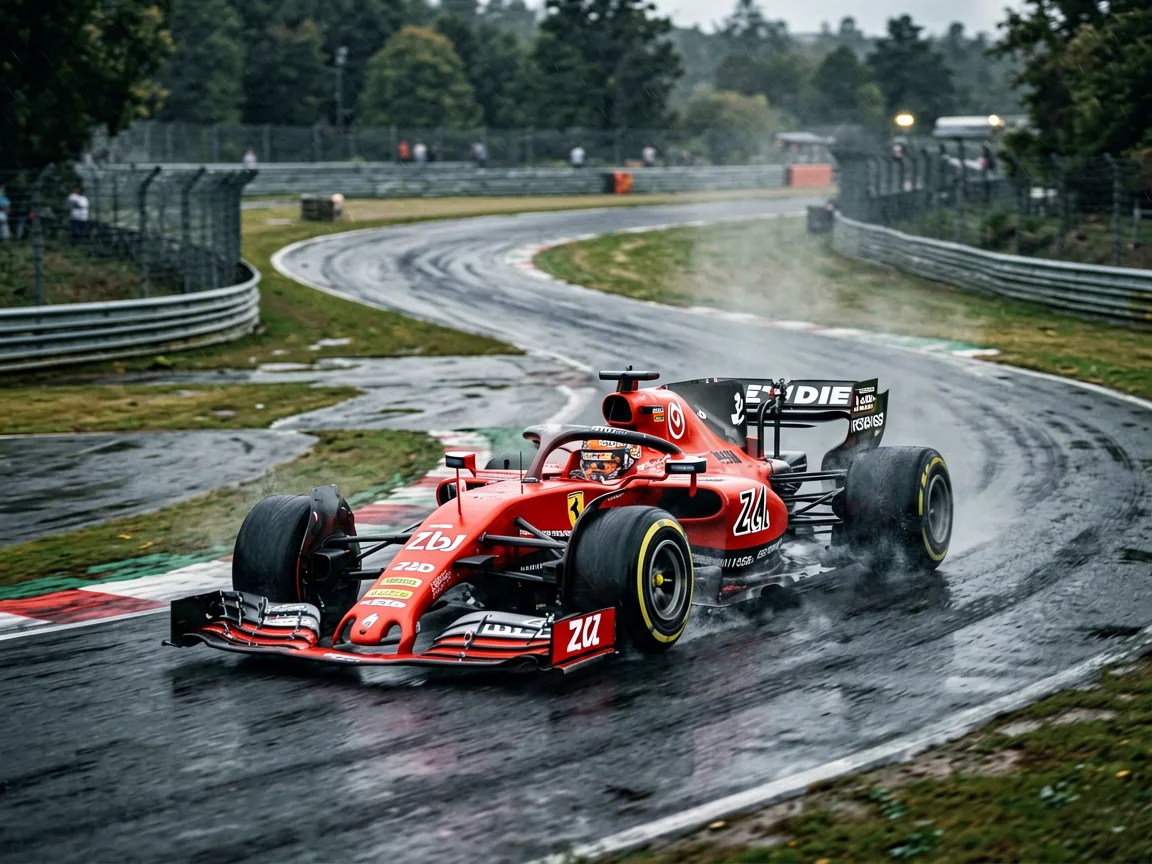
Ferrari Head to Spa Right in the Podium Fight
Leclerc and Hamilton expect to challenge for silverware from P4 and P5 as tire strategy and Spa's weather decide the fight.
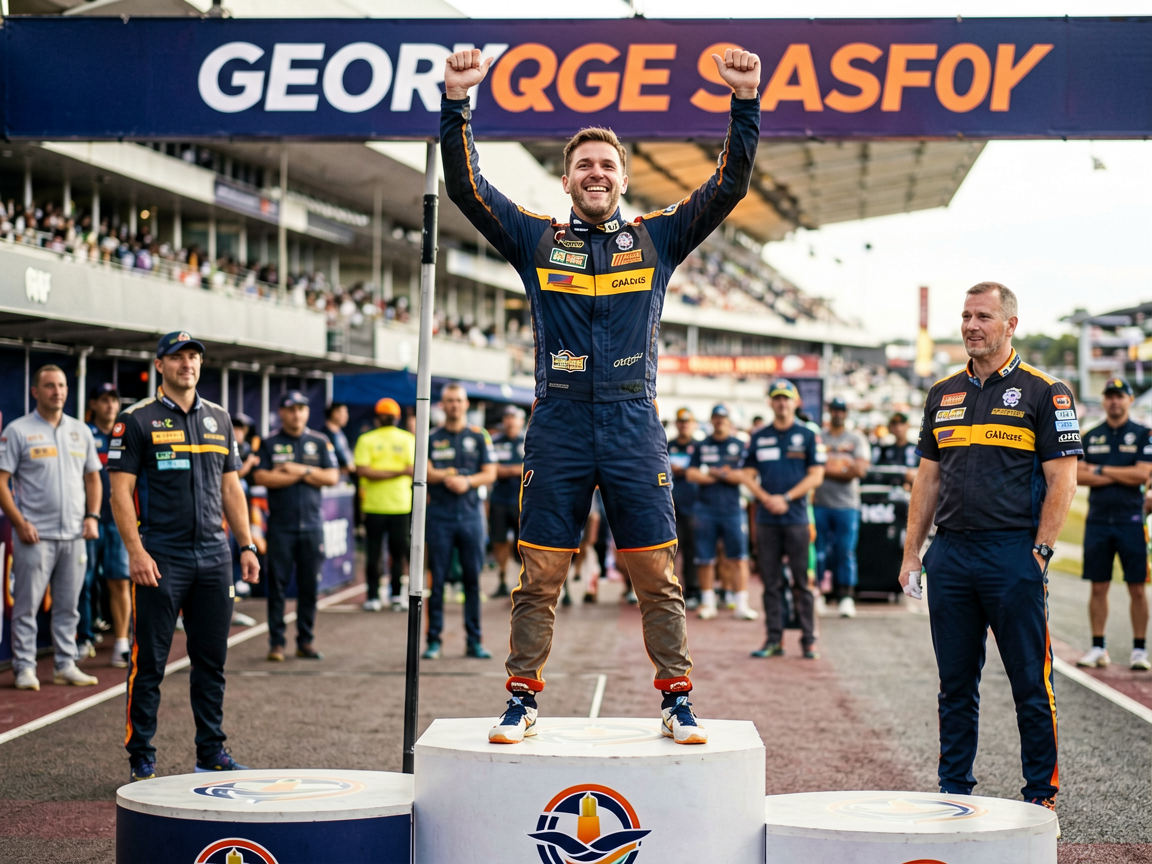
Russell’s Podium Masks Mercedes’ Gelling Crisis
George Russell’s Silverstone podium hides a deeper struggle as Toto Wolff admits the driver still lacks car connection.
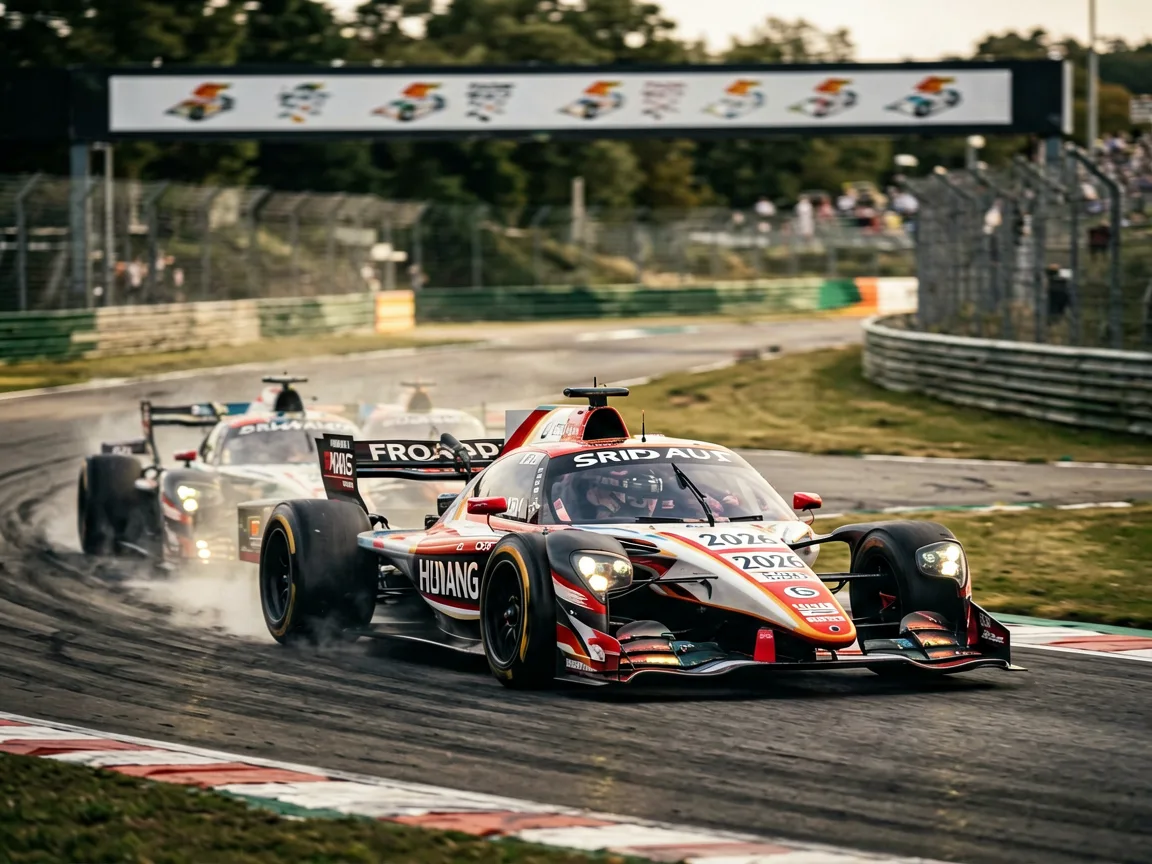
Hungaroring Practice Signals Where 2026 Regulations Stand at Mid-Season
Friday practice at Budapest offered teams their sharpest look yet at how 2026's new formula behaves on a low-speed, high-downforce layout.