Russell’s Podium Masks Mercedes’ Gelling Crisis
George Russell’s Silverstone podium hides a deeper struggle as Toto Wolff admits the driver still lacks car connection.
The Green Flag Moment
The lights go out at Silverstone. George Russell launches off the line, his Mercedes hitting the apex of Copse with surgical precision. The crowd roars, a tidal wave of noise crashing against the banking. But inside the cockpit, the feeling is not one of pure flow. It is one of calculated survival.
By the chequered flag, Russell stands on the podium. Third place. A result that demands celebration. Yet, in the debrief room, the atmosphere is not one of triumph. It is one of diagnosis. Toto Wolff does not smile. He sees what the telemetry shows. He sees the micro-slips, the hesitation in the braking zones, the lack of intuitive trust between man and machine.
The Wolff Confession
In the post-race press conference, the German team principal did not mince words. He admitted a uncomfortable truth that fans often ignore until it is too late. Russell is still not fully gelling with the car.
This statement carries weight. It is not a critique of talent. Russell is fast. He qualified on the front row. He executed a perfect race strategy. But "gelling" refers to something deeper than pace. It refers to the subconscious connection. It is the difference between driving a car and feeling a car. When a driver is gelled, they push the limit without thinking. They sense the tire degradation before the data confirms it. They adjust their line millimeters earlier because they feel the rear step-out coming.
Russell is not there yet. He is driving the Mercedes with his brain, not his gut. And in Formula 1, the brain can be beaten. The gut cannot.
"We have to work on the feedback loop. George is doing everything right, but the car is not speaking his language fluently yet."
The Technical Gap
Why is this happening? The answer lies in the evolving nature of the W15. Mercedes has made significant strides in downforce generation since the start of the season. The floor design, the diffuser geometry, the airflow management around the rear wheels—all have been optimized for high-speed circuits like Silverstone.
However, optimization creates new sensitivities. The car is less forgiving. It requires a specific driving style to unlock its potential. Drivers who prefer to throw the car into corners may find themselves unsettled. Drivers who prefer smooth, progressive inputs may find the car understeers.
Russell’s driving style is aggressive but controlled. He likes to attack the entry. This clashes with the current Mercedes setup, which prefers stability through the corner. The result is a mismatch. He is fighting the car’s natural tendencies rather than riding them.
Lewis vs. George
Compare this to Lewis Hamilton. Even in his final season with Mercedes, Hamilton maintained a profound connection with the team. Why? Because he spent years refining the feedback loop. He knows exactly how to communicate with the engineers. He knows which changes will help him, which will hurt him.
Russell is younger. He is adapting faster. But adaptation takes time. At the British Grand Prix, Hamilton finished fourth. The gap between first and fourth was small. But the gap in comfort was larger. Hamilton drove the car as an extension of his body. Russell drove it as a tool to be managed.
This distinction matters. In a championship battle, or even in a constructor’s title fight, comfort translates to consistency. Consistency translates to points. Points translate to legacy.
The Silverstone Strategy
Russell’s third-place finish was not accidental. It was a masterclass in damage limitation. He knew he lacked the ultimate pace of Max Verstappen or Lando Norris. So he played the percentages. He stayed out of trouble. He preserved his tires. He waited for others to make mistakes.
This is smart racing. But it is not winning racing. To win, Russell needs to trust the car enough to take risks. He needs to believe that the Mercedes will respond instantly to his inputs. Right now, he hesitates. And hesitation costs tenths. And tenths cost races.
What Comes Next?
The next race is the Hungarian Grand Prix. A tight, twisty circuit. Low speed. High tire wear. This is not ideal for the Mercedes, which struggles with low-speed grip. But it might be better for Russell. The lower speeds reduce the aerodynamic sensitivity. The focus shifts to mechanical grip and driver feel.
If Russell can adapt to the Hungarian layout, he may find a rhythm. He may finally start to gel. But if he continues to drive with hesitation, the window will close. The championship leaders will pull away. The midfield will close up.
Mercedes has work to do. Not just in the wind tunnel, but in the simulator. They need to refine the setup options to suit Russell’s style. They need to help him understand the car’s limits. And they need to do it quickly.
Championship Picture
After the British Grand Prix, the standings remain tight at the top. Verstappen leads, but the margin is shrinking. Norris is closing in. Russell sits third, but the pressure is mounting. Every point counts. Every mistake is magnified.
For Mercedes, the goal is clear: bridge the gap between driver and car. Once that happens, the podiums will become wins. Until then, they remain reminders of potential unfulfilled.
Race Verdict
MVP: George Russell. For extracting maximum performance from a car that did not fully suit him. His race craft was impeccable.
Biggest Disappointment: Toto Wolff. For failing to resolve the driver-car compatibility issue earlier in the season. The confession is honest, but the timeline is concerning.
Final Lap
Silverstone was a victory of spirit over substance. Russell proved he can compete. But the question remains: can he dominate? Only when he stops thinking and starts feeling will we know the answer.
Editorial Integrity
This is an original SportPulse article written by our editorial team. All content is independently researched, written, and reviewed by our writers and editors before publication. We do not publish copied, aggregated, or syndicated content.
SportPulse is committed to original sports journalism. Read our editorial policy or contact us with any questions.
More Like This
All f1
Antonelli, Bearman, and Cadillac: F1's Rookie Gamble
F1's rookie class faces a brutal initiation as Antonelli, Bearman, and Cadillac enter the arena with everything on the line.
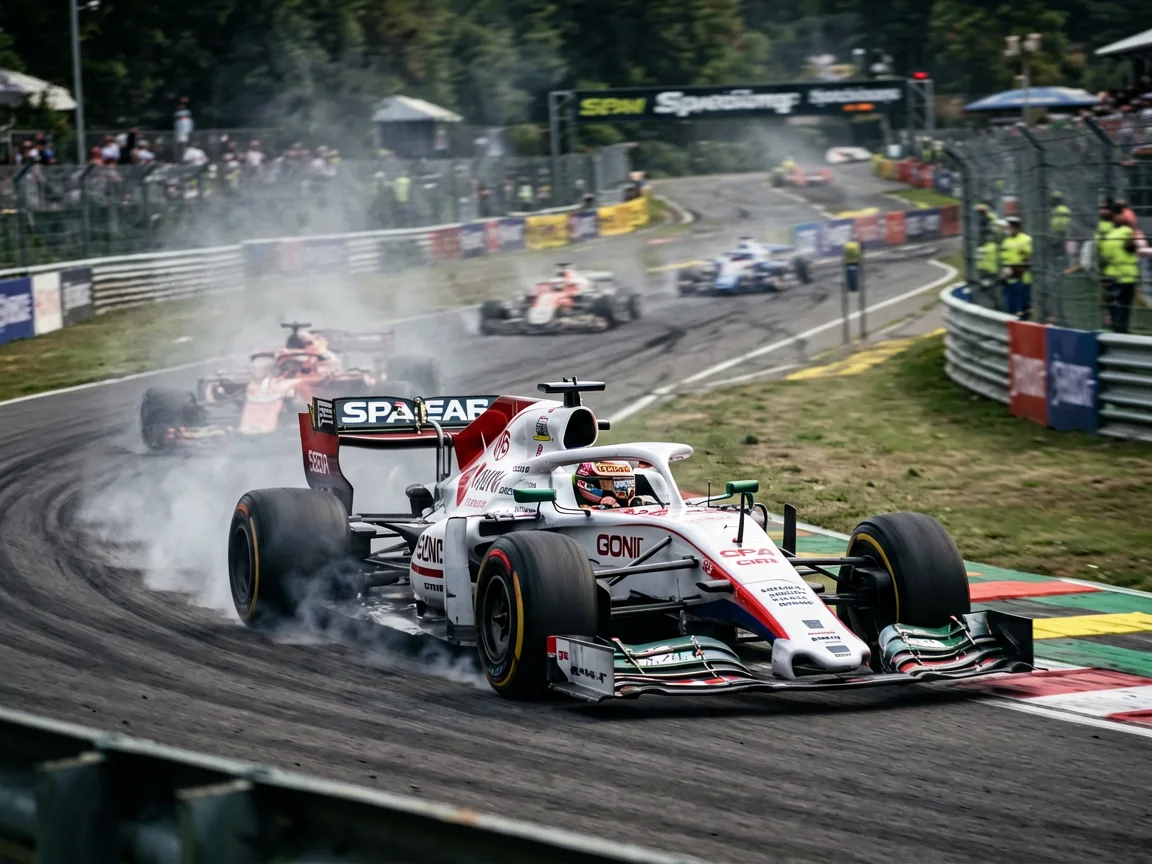
Spa FP2 Explodes as 2026 Ground Effect Era Shakes Up the Order
FP2 at Spa-Francorchamps delivered a chaotic rehearsal as the 2026 ground effect regulations threw the established order into question.
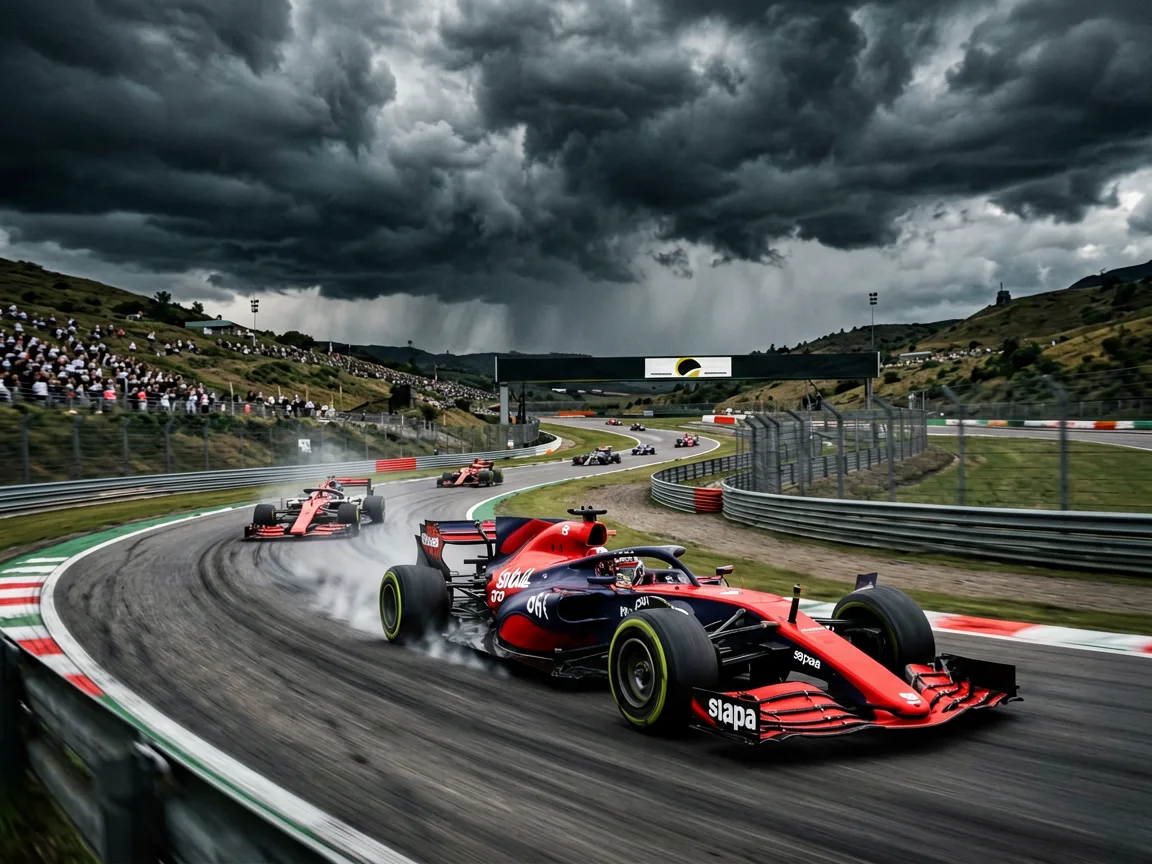
Spa Awaits: Thunder, Eau Rouge, and a Title Fight Ready to Ignite
The 2026 Belgian Grand Prix approaches with championship tension boiling over at Formula 1's most fearsome cathedral of speed.