Spa FP2 Explodes as 2026 Ground Effect Era Shakes Up the Order
FP2 at Spa-Francorchamps delivered a chaotic rehearsal as the 2026 ground effect regulations threw the established order into question.
Green Light, Chaos Ensues
Lights out. The pit lane opens and 22 cars spill onto the Spa-Francorchamps tarmac like wolves released from cages. This is FP2 at the Belgian Grand Prix, the critical 90-minute rehearsal that separates the contenders from the pretenders.
The Ardennes weather is doing what the Ardennes weather does. Patchy clouds, a track temperature hovering around an unpredictable 18°C on the exit of Eau Rouge, and a stiff breeze cutting through Raidillon. Conditions that make this session less rehearsal and more survival test.
The 2026 ground effect regulations have rewritten the rulebook entirely. Smaller diffusers, reshaped floors, and a return to cleaner airflow underneath the car. Every manufacturer arrived at Spa with rebuild packages designed for the unique demands of this 7.004-kilometer cathedral of speed. The data harvested today defines tomorrow's setup and Sunday's fate.
The Installation Laps
First runs are conservative. Out-laps on medium compound Pirellis, drivers tip-toeing through the compression at Eau Rouge with no kerb commitment. Team radios crackle with routine checks: tire temperatures, brake balance, differential settings. Routine but absolutely critical at Spa.
The aerodynamic demands here are schizophrenic. Sector 1 screams low drag with its flat-out blast through Kemmel Straight. Sector 2 demands downforce through the twisty Les Combes-Malmedy complex. Finding a compromise between those opposing forces is the engineering holy grail. Too much wing and the straights become passing lanes for rivals. Too little and the mid-corner stability evaporates.
This year's floor regulations make that compromise exponentially harder. Ground effect floors are notoriously sensitive to ride height changes. Hit the Eau Rouge compression too hard, bottom out the plank, and you lose 50% of your downforce for the entire Kemmel Straight run.
The Representative Runs Begin
Twenty-three minutes in and the timesheet ignites. The frontrunners switch to soft compound tires for their qualifying simulation runs. The lap times tumble with brutal acceleration.
Pouhon becomes the killer corner. The high-speed left-hander demands absolute commitment, and the 2026 aerodynamic wake means following closely through here destroys your front tires. Get too close to the car ahead and the underfloor airflow stalls, sending you wide onto the marbles.
The inter-team battles emerge with fascinating clarity. Established frontrunners discovering their cars have a violent tendency to snap on corner entry. The rear of the field throwing aggressive setups at the wall, knowing Spa rewards mechanical grip over sheer aerodynamic load.
Blanchimont tests nerve like nowhere else on the calendar. A corner taken at over 280 km/h, with the barriers close and the runoff minimal. Touch the white line on exit and the aerodynamic platform destabilizes instantly. Multiple drivers run wide through here across the session, their cars swapping and sliding through the gravel trap on the exit.
The Long-Run Data
Qualifying simulations end. Out come the used medium tires for the race pace runs that actually matter for Sunday strategy. This is where championships are engineered.
The tire degradation story develops in real-time. Drivers posting their fastest S2 times through Les Combes on lap one, then losing half a second by lap five as the front-left overheats. Spa punishes front tires like few other circuits, and the revised floor regulations have shifted the load distribution forward.
Brake temperatures spike in a concerning pattern. The heavy braking zones at Les Combes and the Bus Stop chicane generate immense heat. With the new aero rules reducing overall drag, cars arrive at these braking points carrying 5 to 8 km/h more speed than the previous era. That extra kinetic energy has to go somewhere, and it translates directly into brake disc temperatures exceeding 450°C.
Traffic becomes the villain. Cars on slow laps circulating through the high-speed sections become mobile chicanes. Eau Rouge is the worst offender. A car ahead on a cooldown lap creates dirty air that destabilizes anyone arriving at racing speed. The delta between a fast car and slow car through this section can exceed 150 km/h. Closing rates that demand split-second reactions and no hesitation.
Spa's Unique Tyranny
The final twenty minutes separate the true racers from the arithmetic. Drivers committed to long-run data, pushing used tires through degradation cycles that simulate Sunday's race stints.
Team radios tell the story of the session's intensity:
"The rear is stepping out on entry into every corner. We need to rebalance or Sunday is going to be a very long race."
"Brake temperatures are out of control. I'm managing them every lap and losing time at every braking point."
"That car ahead didn't see me. I had to bail out completely through Blanchimont or we were both in the wall."
The data flowing back to engineering rooms tells a story of aerodynamic instability and extreme sensitivity. Floor stalling at Ride Height Zero. Wake turbulence amplifying the loss of downforce for following cars. Ride height sensitivity that turns a passing attempt into a high-speed lottery.
Track evolution plays its hand. The Spa surface rubbers in across the session, grip levels rising as the laps accumulate. Times improve by as much as 1.2 seconds from early runs to late session pushes. It creates a deceptive picture, making cars look faster than their true pace relative to the competition.
What We Learned
The final timesheets produce a jumbled order that guarantees a fascinating qualifying session. The established frontrunners do not dominate. The midfield is closer than at any point this season. The gap from P1 to P10 sits under 0.8 seconds, a remarkably tight margin at a circuit where gaps traditionally stretch beyond a second.
- Top speed recorded through the Kemmel Straight trap: 347 km/h
- Sector 1 dominance: cars trimming wing for the blast, losing time through S2
- Tire wear pattern: front-left graining visible within 8 laps on medium compound
- Underfloor warning: Ride height sensitivity creating unpredictable平衡 changes
- Traffic incidents: multiple complaints aired over team radio during fast laps
Race Verdict
Session MVP
The driver splitting the established order with a stunning lap on old soft tires. His team's aggressive setup, trading high-speed stability for low-drag efficiency, produced a benchmark time that nobody could approach on fresh rubber. A qualifying simulation that suggests pole position is genuinely within reach.
Biggest Disappointment
The championship contender who parked his car with brake temperature failure after just 31 laps. A mechanical issue that threatens to derail an entire race weekend if the root cause traces back to the new aero platform's impact on cooling airflow.
Championship Picture
The 2026 season arrives at Spa with the title fight delicately poised. FP2's data dump suggests the competitive order faces dramatic potential rearrangement this weekend.
The established pecking order looks vulnerable. The midfield teams who invested heavily in Spa-specific aero packages are reaping the rewards, their cars designed around the unique demands of low-drag efficiency through S1 and maximum mechanical grip through S2.
The championship leader carries a fragile advantage into qualifying. Spa's high-speed nature rewards bravery and punishes hesitation. A single mistake through Eau Rouge or a misjudged passing attempt into Les Combes can end a race and redefine a title fight.
The weather forecast for Saturday and Sunday remains characteristically unpredictable. Rain transforms Spa from an aerodynamic challenge into a pure driver's circuit. The driver who masters the wet patches and reads the ever-changing grip levels will emerge with the critical advantage.
This weekend has all the ingredients of a championship-defining Grand Prix. Spa doesn't just host races. It shapes title narratives; it crushes expectations; and in the 2026 ground effect era, it forces every team to confront their deepest aerodynamic vulnerabilities.
FP2 is done. The real battle begins tomorrow.
Editorial Integrity
This is an original SportPulse article written by our editorial team. All content is independently researched, written, and reviewed by our writers and editors before publication. We do not publish copied, aggregated, or syndicated content.
SportPulse is committed to original sports journalism. Read our editorial policy or contact us with any questions.
More Like This
All f1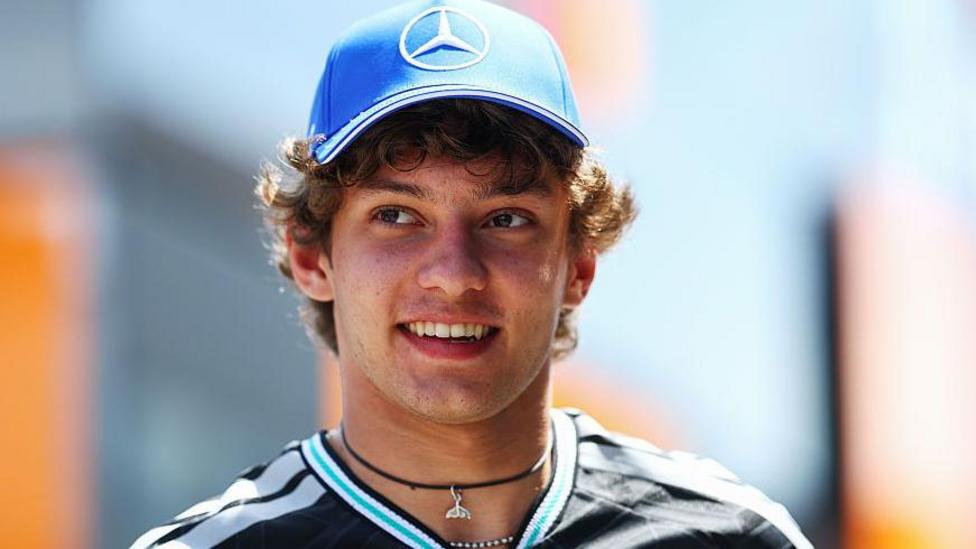
Antonelli's Championship Lead Is Massive — He Knows It's Not Enough
Kimi Antonelli dominates F2 after six races but insists the real test is yet to come.
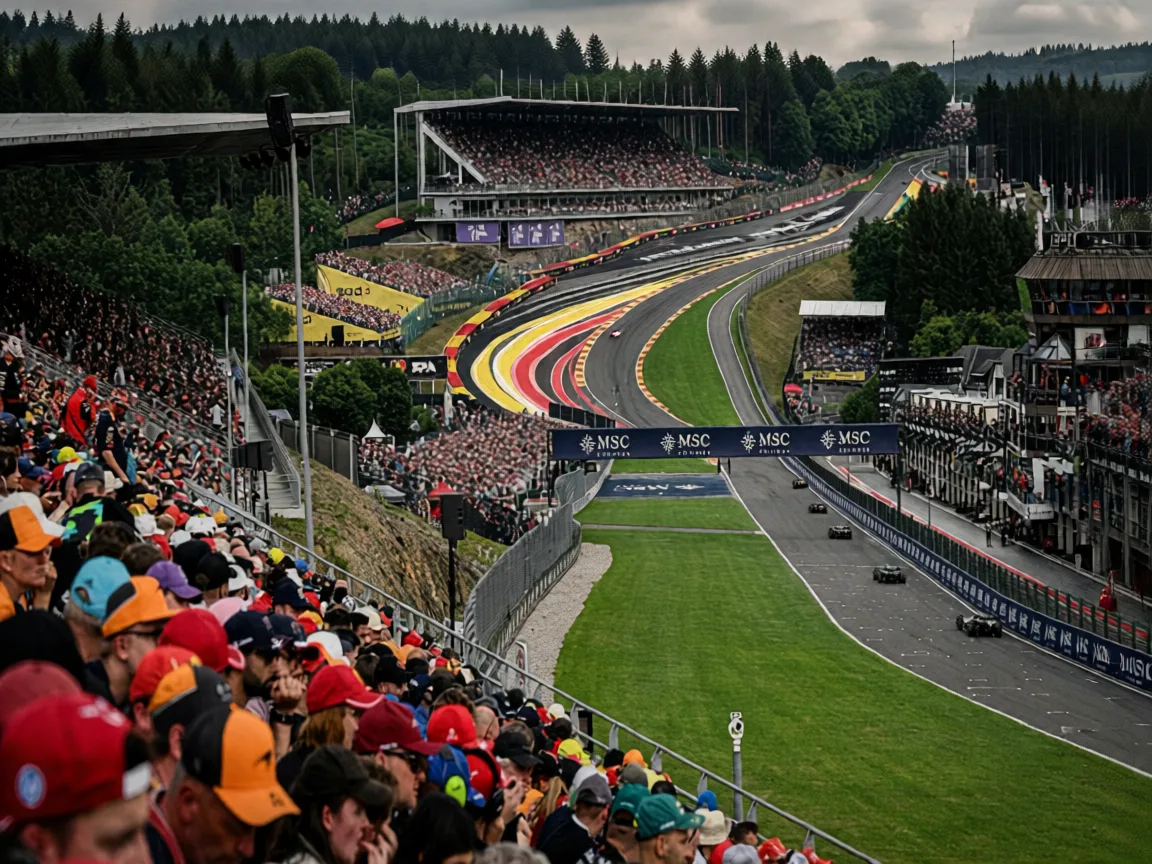
Spa Francorchamps Demands Precision as July Weekend Approaches
Technical demands and volatile weather converge at Spa this July weekend.
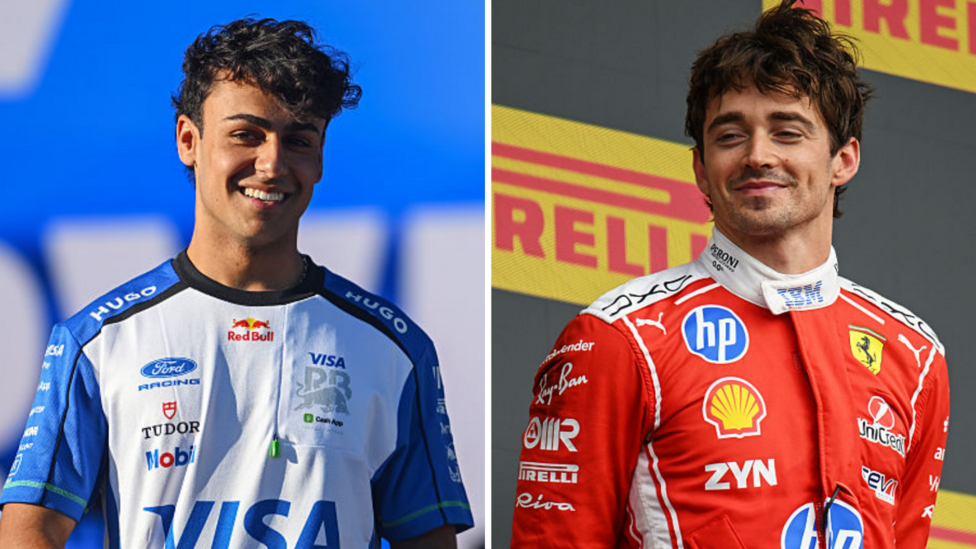
Silverstone Verdicts: The British GP Driver Ratings Deep Dive
Beyond the podium: a statistical and tactical breakdown of every grid contender's British Grand Prix performance.