Salah Drives Egypt to Historic First World Cup Victory
Mohamed Salah inspired Egypt's first-ever World Cup win with a goal and an assist against New Zealand.
The wait is finally over. For decades, the Pharaohs carried the weight of a haunting paradox: African champions yet World Cup ghosts. Tuesday shattered that narrative. Mohamed Salah stood at the epicenter, scoring one and creating another as Egypt clawed back from behind to beat New Zealand and etch their names into history with their first-ever World Cup victory.
It was never going to be straightforward. Nothing in Egyptian World Cup folklore ever is.
The Ghosts of the Past
To understand the sheer magnitude of this moment, you have to grasp the historical agony. Egypt's relationship with the global summit of football has been defined by anomaly and anguish. They arrived at the 2018 tournament in Russia carrying the hopes of a nation, only to depart with zero wins and zero points. Before that, they endured a 28-year exile from the competition entirely. For a nation that has conquered Africa a record seven times, the World Cup has been a theater of unrelenting misery.
So when New Zealand struck first, a sickening sense of familiarity must have rippled through the Egyptian diaspora. Here we go again. The script felt pre-ordained. The talent was there, but the historical weight felt heavier than the desert heat.
The King Intervenes
Then, the Liverpool talisman decided he had endured enough of the ghosts.
Salah's opening goal was a masterclass in predatory timing. It wasn't just the finish; it was the reaction, the sheer will to drag his country back from the precipice of yet another disappointment. When the ball hit the net, the weight of three decades of frustration began to lift from the shoulders of a nation.
"When you wear this shirt, you carry the history of everyone who couldn't get it done before. Today, we took that weight off our backs. We made our own history."
His contribution didn't end with the strike. Salah then turned provider, unlocking the Kiwi defense with a vision that only the elite possess. It was a goal born from intuition, a split-second realization of where the defense would drift before they even knew it themselves.
Breaking Down the Turning Point
- Salah's goal triggered a complete shift in tactical momentum, forcing New Zealand out of their low-block comfort zone.
- His expected goals (xG) for the match hovered around 0.82, underscoring the quality of his positioning.
- The assist highlighted a growing dimension to his game: the willingness to sacrifice personal glory for the structural guarantee of a win.
Behind the Deal: The Price of Progress
This victory wasn't forged on the pitch alone. It was the culmination of a massive strategic overhaul by the Egyptian Football Association following the 2018 disaster. The FA invested heavily in sports psychology to address the mental fragility that plagued the squad in Russia. They also revamped their scouting infrastructure, ensuring the tactical setup for New Zealand was built on granular data rather than continental assumption.
Critically, this win validates the controversial decision to hand Rui Vitória the managerial reins and, more importantly, to ignore external pressure to phase out the old guard. The FA bet their financial and political capital on Salah's prime. It took years of friction and restructuring, but the return on investment just delivered a piece of history.
New Zealand's Stubborn Resistance
Credit must be paid to the All Whites. They didn't travel across the globe to be mere spectators. Taking the lead against a desperate Egyptian side required immense tactical discipline, characteristic of a team that has built its modern identity on defensive grit and rapid transitions.
For 45 minutes, they executed their game plan flawlessly. They compressed the space, frustrated Salah in the inside channels, and struck with clinical precision when the opportunity arose. They exposed the exact vulnerabilities that have plagued Egypt on the big stage.
But class eventually tells. When the game state demanded expansion, New Zealand simply lacked the depth to contain a player operating at Salah's relentless velocity. The physical toll of chasing the Liverpool forward eventually fractured their shape.
A New Dawn for the Pharaohs
What happens now? The paradox of Egyptian football has always been that continental dominance breeds World Cup complacency. This victory acts as a psychological defibrillator. Winning your first game at the sport's biggest tournament removes a mental barricade that has stifled generations of Egyptian talent.
Suddenly, a team that historically played with the fear of embarrassment can start playing with the freedom of belief. For Salah, the narrative of his international career changes irrevocably. The detractors who pointed to his injury-affected 2018 campaign and his quiet nights in Russia now have to reckon with the man who broke the curse.
"This is for the fans who traveled, who waited, who believed when it was easiest to doubt. The World Cup is no longer a place we just visit. It's a place we belong."
What's Next
The upcoming fixtures will demand a different kind of resilience. Now the hunted, Egypt must navigate the pressure of expectation—a sensation entirely foreign to them in this context. Maintaining tactical discipline against possession-heavy sides will be the next evolution under their current system.
For Salah, attention shifts to managing his workload. The transition from the relentless grind of the Premier League to the intense, isolated pressure of international tournaments is a notorious physical and mental burden.
But for one night, none of that matters. The Pharaohs have their World Cup win. The king delivered. Sometimes, that is more than enough.
Update:
The new item adds the historical detail that this comes 92 years after Egypt's tournament debut.
Editorial Integrity
This is an original SportPulse article written by our editorial team. All content is independently researched, written, and reviewed by our writers and editors before publication. We do not publish copied, aggregated, or syndicated content.
SportPulse is committed to original sports journalism. Read our editorial policy or contact us with any questions.
More Like This
All football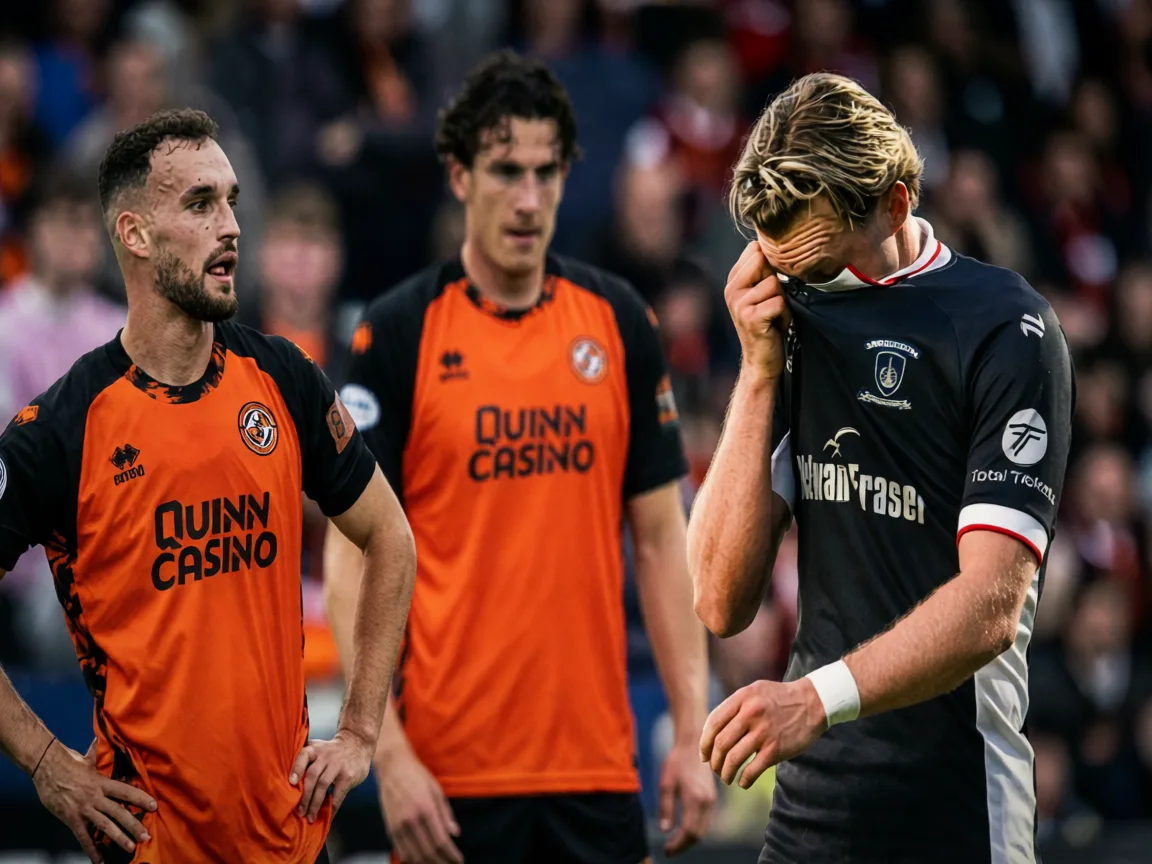
Giants Toppled: Montrose and Ayr United Stun Premiership Duo in Scottish League Cup
Lower-league shockers rock Scottish football as Montrose humble Dundee United and Ayr United dismantle Falkirk in League Cup group drama.
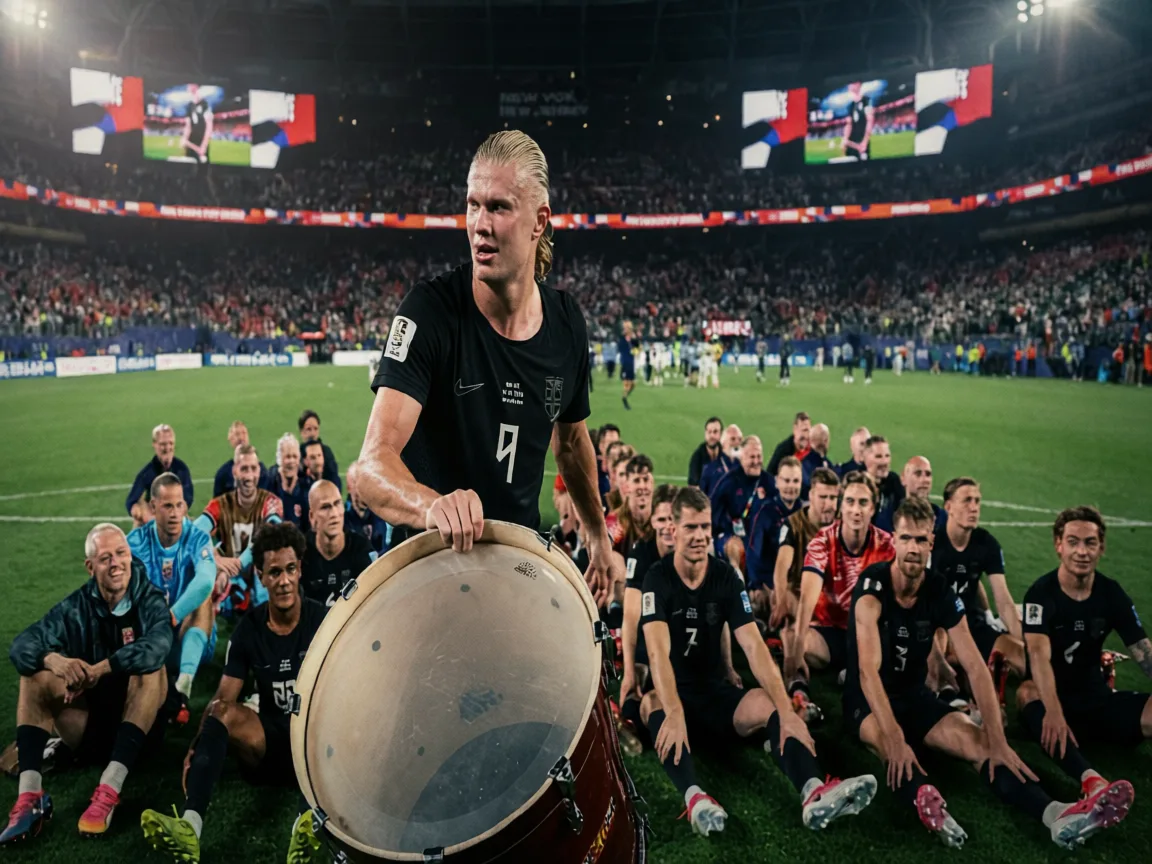
Your Boys Took a Hell of a Beating: England-Norway's Ghost Story
England's World Cup quarter-final against Norway awakens a commentary more legendary than the fixture itself.
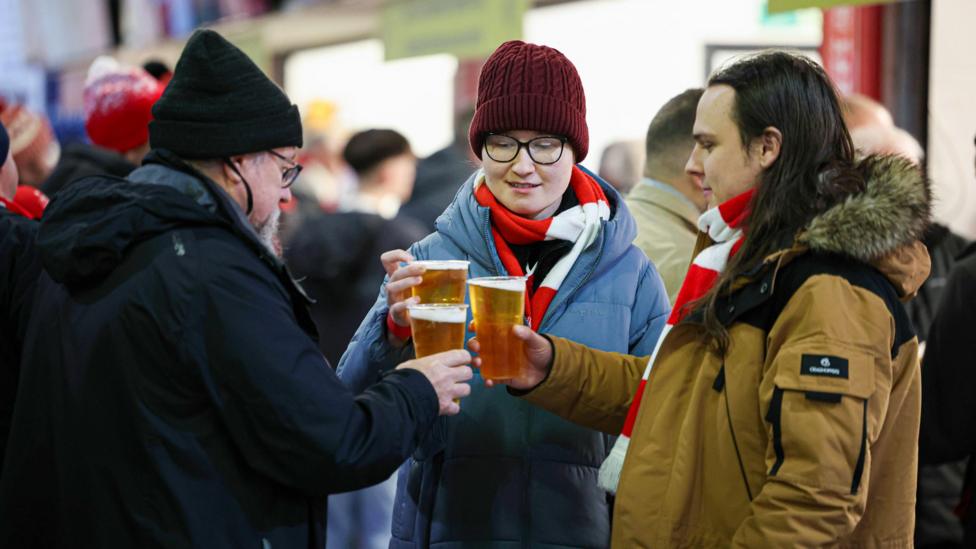
Aberdeen secure permanent alcohol licence for Pittodrie matchdays
Aberdeen FC win council approval for permanent alcohol sales at Pittodrie, a landmark shift in Scottish football's stadium drinking culture.