Saliba Back Injury Forces Arteta to Rebuild Arsenal's Defensive Foundation
William Saliba's extended absence strips Arsenal of their defensive anchor and demands tactical recalibration from Mikel Arteta.
William Saliba will miss an extended period after suffering a back injury while on World Cup duty with France, Arsenal have confirmed. The injury strips Mikel Arteta of the defender who turned Arsenal's back line from a liability into the meanest unit in the Premier League, and forces a structural rethink during the most congested stretch of the calendar.
Saliba played through a back problem during France's run to the World Cup semi-final and was forced off after just 30 minutes of their last-four defeat by Spain. Arsenal confirmed the 25-year-old will not require surgery, though he still faces a significant spell on the sidelines.
System Built on Saliba's Profile
Arteta's 4-3-3 has always demanded a right-sided centre-back capable of defending high and stepping into midfield. Saliba provided that profile. His pace allowed Arsenal to hold a high defensive line, compressing space between the lines and enabling the aggressive pressing structure that defines their approach out of possession.
His composure on the ball added another layer. Saliba regularly carried possession into the half-space, drawing pressure and opening passing lanes for Thomas Partey or Martin Odegaard. Without that progressive carry, Arsenal risked becoming more predictable in their build-up, allowing opponents to shift into a mid-block with less fear of being punished behind the line.
The defensive line height is the most immediate casualty. Saliba's recovery pace functioned as insurance for Arsenal's high line. Gabriel Magalhaes, his preferred partner, is aggressive in stepping out but less equipped to cover large spaces if the line is beaten. The Brazilian now either adjusts his starting position or relies on a different partner entirely, which alters the geometry of the whole back four.
Replacing Saliba's Profile
Arteta's options to replace Saliba carry distinct tactical trade-offs. Rob Holding offers aerial solidity and positional discipline but lacks the pace to sustain the high line. Deploying Holding requires a deeper defensive block, which in turn creates more space between Arsenal's midfield and back four and reduces the effectiveness of their pressing triggers.
Ben White, who has deputised at centre-back, brings better mobility but is currently first-choice at right-back. Moving White inside would necessitate bringing Takehiro Tomiyasu or Cedric Soares into the starting eleven, weakening the right flank either defensively or in the overlapping runs that Bukayo Saka relies on to create two-on-one situations.
Jakub Kiwior represents a third option, though the January signing from Spezia has started only twice since arriving and is acclimatising to English football. A back three, deploying both Holding and Gabriel alongside Kiwior or White, is another possible adjustment, shifting to a 3-4-3 that sacrifices a forward for an extra defender but retains defensive stability.
Squad Depth and December Fixture Congestion
December and January are the most congested months in the English football calendar. Arsenal are competing on two fronts, with domestic fixtures stacking up alongside the resumption of European competition. Saliba's absence means Arteta must rotate in central defence without his best defender available, against opponents who target high lines with vertical running.
Arsenal's set-piece defending also takes a hit. Saliba ranks among the superior aerial duellists in the squad, and his absence reduces the margin for error at dead-ball situations. Goals conceded from corners and free-kicks can turn tight matches that Arsenal, atop the Premier League table, need to win to hold their position over the chasing pack.
Back injuries are unreliable in their recovery timelines. The club has not indicated a target return date, and the confirmation of an extended absence without surgery leaves open the possibility of a slow, rehabilitation-based recovery rather than a fixed rehabilitation window.
Liverpool, City, Villa and the Transition Threat
Arsenal's upcoming opponents hold contrasting threats. Against teams that sit in a low block, Saliba's absence is less exposed: deep opponents rarely test a high line, and the ball-carrying deficit can be mitigated by circulating possession through Partey and Granit Xhaka. The greater concern comes against sides that press high and attack quickly through transition.
Matches against Liverpool, Manchester City, and Aston Villa carry particular risk. All three are comfortable turning matches into transition-heavy contests and exploiting space behind a high defensive line. Without Saliba's pace, Arteta must either accept that risk or adjust his team's overall aggression, dropping the line and conceding more territorial control.
The pressing structure that makes Arsenal effective depends on a back line comfortable with grass behind it. If the defenders do not trust their own pace, the entire pressing architecture weakens, and Arsenal become a more passive side.
Can Holding Sustain the Line?
The immediate question is whether Holding or White can sustain Arsenal's line height over a run of fixtures. Arteta's philosophy is built on aggressive defensive positioning, and compromising that principle threatens the coherence of the entire tactical structure.
The next three weeks reveal whether Arsenal's defensive system is greater than any individual within it, or whether Saliba's tempo-setting presence was the condition that made everything else work.
Arsenal cannot afford a prolonged adjustment period. The table is tight, and the Champions League knockout stage demands defensive reliability from the first leg. How Arteta recalibrates the back line, and whether the pressing triggers still function without Saliba, will shape Arsenal's ambitions across both competitions.
Updated: 2026-07-22 - Added Arsenal's official confirmation that Saliba's back injury requires no surgery but will keep him out for an extended period, including detail on his 30-minute withdrawal in France's World Cup semi-final defeat by Spain.
Editorial Integrity
This is an original SportPulse article written by our editorial team. All content is independently researched, written, and reviewed by our writers and editors before publication. We do not publish copied, aggregated, or syndicated content.
SportPulse is committed to original sports journalism. Read our editorial policy or contact us with any questions.
More Like This
All football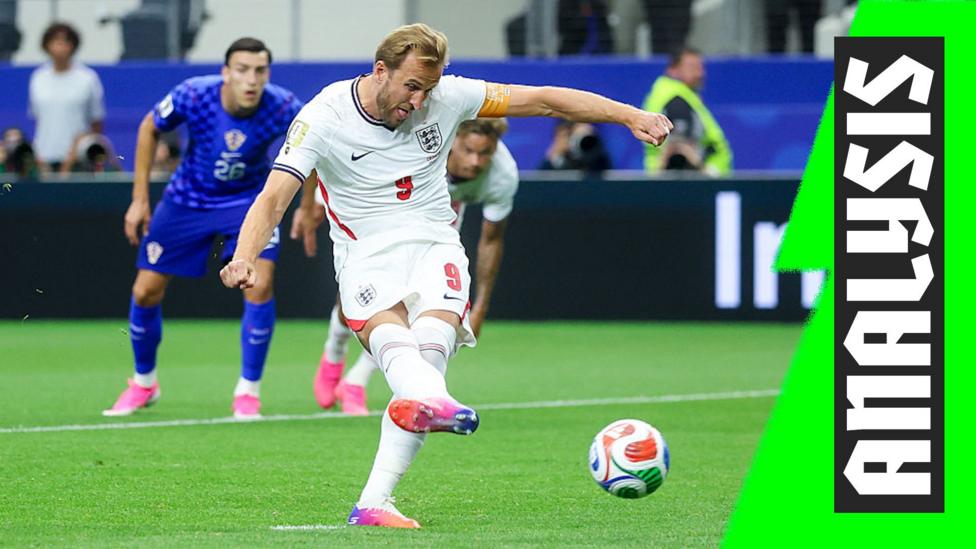
Kane's Penalty Evolution: The Anatomy of a Set-Piece Savage
Harry Kane's penalty technique transformation reveals a masterclass in mechanical refinement and opposition profiling.
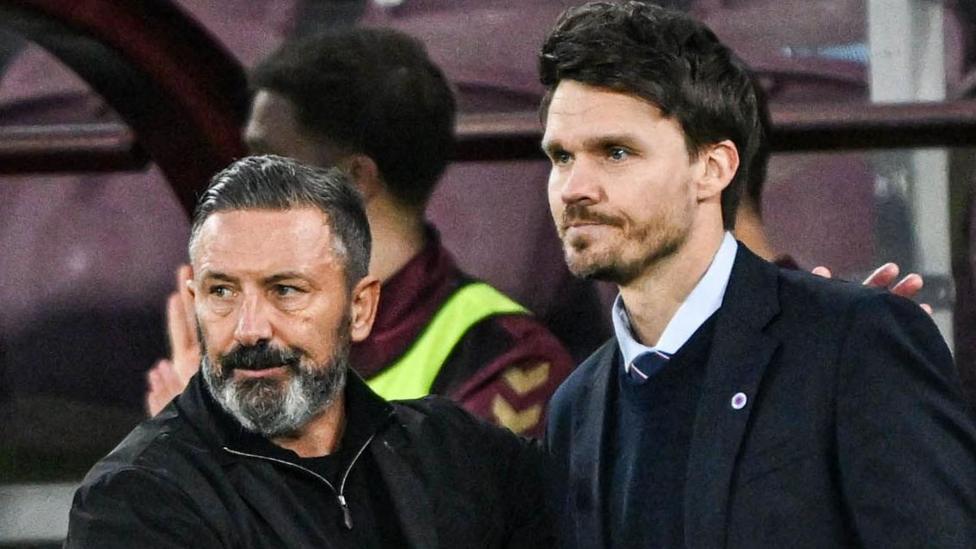
McInnes Replaces Rohl at Rangers: Was It Inevitable?
Derek McInnes replaces Danny Rohl at Ibrox, signalling a stark shift from progressive pressing to pragmatic structural control.

Split Scarves, One Heart: Egypt-Australia Forces a Diaspora Reckoning
For Egyptian-Australians, Saturday's Pharaohs-Socceroos clash is not just a match but a collision of identity and belonging.