Schlotterbeck Knocked Out of World Cup
Germany's defensive depth faces a brutal test as Nico Schlotterbeck's ankle injury ends his World Cup campaign prematurely.
Nico Schlotterbeck walked off the pitch believing it was merely a stinger. The adrenaline of tournament football has a cruel way of masking the devastation lurking beneath the surface. By the time the dressing room lights flickered on, the reality had already crystallized. His World Cup was over.
An ankle injury. A sudden, violent twist of fate that rips a starting defender off the grandest stage in international football. For Schlotterbeck, the tournament ends not with a heroic last-ditch tackle, but with the cold, clinical verdict of a medical scan.
"The scans confirmed the worst. The ligament damage is simply too severe to continue."
This is the agonizing, inescapable reality of the World Cup. Dreams constructed over four years of relentless qualifying campaigns can evaporate in a single, unremarkable challenge.
The Anatomy of a Crisis
Germany's defensive architecture just lost a vital pillar. Julian Nagelsmann's system relies heavily on defenders who are comfortable stepping into midfield, breaking the opposition's initial press, and initiating attacks from deep. Schlotterbeck was tailor-made for this responsibility.
His absence creates a chasm that cannot simply be patched with raw enthusiasm. It demands a complete recalibration of the backline's chemistry, timing, and spatial awareness.
- 72% pass completion under high-intensity pressing in the buildup phase this season
- 4.2 progressive passes per 90 minutes, demonstrating elite ball-carrying ability from the back
- 1.8 interceptions per 90, reading the game with a sophistication that stats barely capture
These numbers illustrate exactly what is walking out the door. Schlotterbeck does not just clear crosses; he prevents them from ever being delivered by suffocating attacks at their source. That proactive defending is the heartbeat of Nagelsmann's philosophy.
The Tactical Void
Take away the left-footed center-back, and the entire geometry of the team shifts. Most modern defensive partnerships require a left-right balance. Without Schlotterbeck's natural left foot, playing out from the back becomes a labored, predictable exercise. Midfielders drop deeper to collect the ball.宽 The opposition press smells blood in the water.
Furthermore, Schlotterbeck's blistering recovery pace allowed Germany to execute their defensive line exceptionally high. Push the defensive line up to the halfway line, compress the space, and dare opponents to play over the top. Schlotterbeck was the safety net, the sprinter who could turn and chase down a striker breaking the line.
Without that electric recovery speed, the high line transforms from a weapon into an Achilles' heel. The entire tactical ecosystem suddenly frays at the edges.
Who Steps Into the Breach?
The immediate internal solutions present glaring imperfections. The most likely candidate to step into the starting XI must now train at a frantic tournament pace, attempting to forge telepathic understanding with his new center-back partner in a matter of days.
The alternative is a tactical shift to a back three, filling the void with an extra body rather than a like-for-like replacement. But that alters the mathematical structure of the midfield. It strangles the attacking width. It signals to the opposition that Germany are suddenly operating from a posture of fear rather than dominance.
"You cannot simply replace a player of Nico's profile and expect the same rhythm. The entire defensive symphony changes its conductor."
Behind the Deal: The Brutal Math of Tournament Football
Tournament football is a ruthless game of resource management. Squads are limited to a strict number. Every selection carries a calculated gamble. When a starter falls, the dominoes threaten to topple the entire structure.
Losing Schlotterbeck forces Germany to burn a substitution option they fully expected to have in later rounds. It compresses the available minutes across the squad. A defender who was slated to play a supporting role must now absorb 300 or more high-leverage minutes. The risk of fatigue-induced muscle injuries skyrockets.
Then there is the psychological weight. Schlotterbeck was a vocal, fiery presence in the locker room. Morale takes a silent but significant hit when a universally respected teammate goes down. The squad must bury the emotional toll immediately, or it metastasizes into on-field hesitation.
The Shadow of History
For Germany, defensive injuries in major tournaments echo with a haunting familiarity. Theannals of their recent tournament history are littered with pivotal absences that derailed promising campaigns.
- 2014 Final: A legendary center-back played through torn muscle fibres, a monument to sheer willpower, but an anomaly that cannot be replicated by mandate.
- 2022 Group Stage: Defensive disarray and catastrophic individual errors against Japan and Costa Rica stemmed directly from a lack of cohesion and panic in transition.
- 2024 Pre-Tournament Buildup: The recurring defensive injury crisis that forced late tactical pivots.
Schlotterbeck's injury threatens to pull Germany back into that historical vortex of instability. The difference between a World Cup winner and a group-stage embarrassment often boils down to the thin margin of defensive health and center-back chemistry.
Comparing the Eras
The great German sides possessed an unbreakable spine. The current generation possesses the talent to rival those teams, but repeatedly lacks the grim, unyielding resilience when the tactical blueprint is forcibly altered. Now, they must prove they can absorb a structural blow without collapsing into old, fractured habits.
What Comes Next
The focus violently shifts to the training ground. The remaining center-backs face an intense, accelerated curriculum. They must drill the spacing, the communication calls, and the pressing triggers until they become instinct.
For Nagelsmann, this is a defining test of his tactical flexibility. Can he rewire an elite defensive unit on the fly? Can he extract the necessary courage from a suddenly depleted squad?
The group stage schedule offers zero margin for error. Opening matches in tournaments of this magnitude are famously treacherous. A disjointed backline in the first 45 minutes could concede a goal that permanently derails the entire campaign.
"We don't have the luxury of a ten-week pre-season to integrate a new back four. We have forty-eight hours. The urgency is absolute."
Schlotterbeck will watch from the sidelines, his ankle encased in ice and compression. His World Cup is done. But the tournament marches on ruthlessly, colder than the medical room he now occupies. Germany must find a way to survive without him, or they will be joining him in the exit queue far sooner than anyone anticipated.
Editorial Integrity
This is an original SportPulse article written by our editorial team. All content is independently researched, written, and reviewed by our writers and editors before publication. We do not publish copied, aggregated, or syndicated content.
SportPulse is committed to original sports journalism. Read our editorial policy or contact us with any questions.
More Like This
All football
The Science of the Perfect Penalty: What World Cup Data Reveals
Penalty shootouts decide World Cups. We dissect the tactical, statistical, and psychological anatomy of the perfect spot kick.
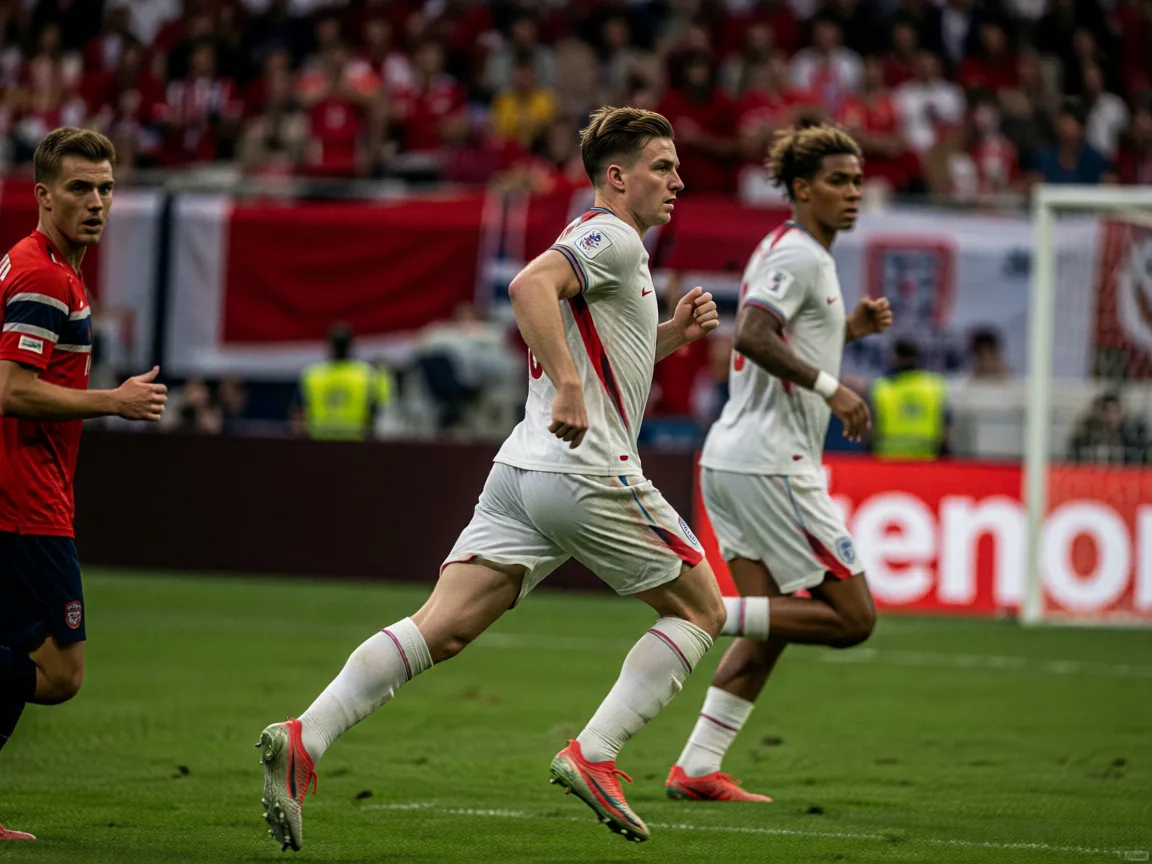
Anderson's 14.8km Marathon Redefines England's Midfield Under Tuchel
Elliot Anderson covered more ground than anyone in Miami's Cauldron, and Morgan Rogers forced himself into Tuchel's plans.
The Beautiful Game's Ugliest Problem Is Getting Worse
FIFA's own monitoring service confirms a sharp spike in severe online racist abuse at the World Cup.