The 1998 Opener: When Brazil's Flair Met Scotland's Defiance
A deep dive into the dramatic 1998 World Cup clash that tested champions and underdogs.
The Whistle That Echoed Across Decades
It was June 10, 1998. The Stade de France in Saint-Denis was electric. For Tom Boyd, Scotland's captain, the memory remains seared: the roar of 80,000 fans, the weight of a nation's hopes, and the daunting sight of Ronaldo, Rivaldo, and Bebeto warming up across the pitch. This wasn't just a group stage opener; it was a collision of footballing philosophies, a test of mettle against magic.
Brazil arrived as defending champions, draped in history and expectation. Scotland, under Craig Brown, were the perpetual underdogs—pragmatic, organized, and fueled by a belief that could defy odds. The stage was set for a match that would become a footnote in Brazil's eventual run to the final, but a defining chapter in Scottish football lore.
How the Drama Unfolded
From the first whistle, Brazil's samba rhythm threatened to overwhelm. Carlos Alberto Parreira's side dominated possession, their passing carousel pulling Scotland's midfield out of shape. The breakthrough came in the fifth minute. A corner from the right was met by a towering header from César Sampaio, leaving goalkeeper Jim Leighton rooted. 1-0 Brazil. The script seemed written.
But Scotland refused to crumble. Their response was grit personified. Minutes later, a driving run from John Collins drew a clumsy challenge inside the box. Collins himself stepped up, coolly slotting the penalty past Taffarel. 1-1. Suddenly, the narrative shifted. For a glorious spell, Scotland pressed, their directness causing momentary panic in Brazil's defense. The underdogs had bitten back.
The Cruel Twist
The second half saw Brazil reassert control, their technical superiority wearing down Scottish legs. The decisive moment came in the 73rd minute. A hopeful cross from the right by Cafu caused confusion in the box. In a desperate attempt to clear, Tom Boyd inadvertently sliced the ball into his own net. 2-1 Brazil. The silence from the Scottish contingent was deafening. It was a gut-wrenching end to a valiant effort.
Tactical Breakdown: Flair vs. Fortitude
Brazil's 4-2-3-1 formation, with Dunga anchoring the midfield and Rivaldo playing off Ronaldo, was designed for control and explosive transitions. They completed 512 passes to Scotland's 278, with a pass accuracy of 84%. Their attacking quartet constantly rotated, dragging Scottish defenders like Colin Hendry and David Weir into uncomfortable spaces.
Scotland's 5-3-2 setup was a masterclass in defensive organization. They conceded territory willingly, but their back line remained disciplined, making 22 clearances and 14 interceptions. The plan was to hit on the break, using the energy of Darren Jackson and Kevin Gallacher. It worked until fatigue and individual error intervened.
Key Match Stats
- Possession: Brazil 62% - Scotland 38%
- Shots on Target: Brazil 7 - Scotland 3
- Corners: Brazil 8 - Scotland 2
- Fouls Committed: Scotland 18 - Brazil 11 (highlighting their physical containment strategy)
Behind the Match: More Than a Quiz Question
For the quiz enthusiasts this game now caters to, the devil is in the details. Brazil's lineup was a who's who of 90s legends: Cafu at right-back, Aldair and Júnior Baiano in central defense, Leonardo and Sampaio in midfield. Scotland's team, meanwhile, was a tapestry of domestic British football—Gordon Durie up front, Jackie McNamara in midfield, and the evergreen Leighton in goal.
"We knew we had to be perfect. One slip, and they'd punish you. We were almost perfect... almost." — Craig Brown, Scotland manager, in a later interview.
The match also marked Ronaldo's first World Cup game as the reigning FIFA World Player of the Year. He was kept relatively quiet by Scottish physicality, managing only two shots on target. Yet, his mere presence shaped the game, pulling defenders out of position for others to exploit.
The Aftermath: Ripples in Time
For Brazil, this gritty win set the tone for a tournament of resilience. They would go unbeaten in the group stage, but the fragility shown here—conceding from a set-piece, relying on an own goal—hinted at vulnerabilities that France would later exploit in the final. Sampaio's goal made him an unlikely hero; he would score again in the quarterfinal against Denmark.
For Scotland, it was a familiar heartbreak. They would draw 1-1 with Norway and lose 3-0 to Morocco, exiting at the group stage for the eighth time in World Cup history. Yet, the performance against Brazil became a source of pride—a "what if" moment that demonstrated their capability on the grandest stage.
The Legacy in Numbers
- Brazil would score 14 goals in the tournament, with Ronaldo netting four.
- Scotland managed only two goals in their three games.
- Tom Boyd's own goal remains one of the most discussed moments in Scottish football history.
From 1998 to Today: What the Quiz Tells Us
This match endures because it encapsulates football's universal narratives. Brazil's team was a constellation of stars who defined an era. Scotland's side represented collective endeavor over individual brilliance. Testing knowledge of these lineups isn't just trivia; it's a window into tactical evolution, cultural identity, and the thin margins between glory and despair.
In today's hyper-analyzed game, such a contest would be dissected by data firms and VAR. But in 1998, it was pure drama—unscripted, raw, and unforgettable. The quiz prompts us to remember the names behind the jerseys, the stories behind the scores.
The Final Whistle
As football hurtles forward with new technologies and commercial empires, looking back at matches like Brazil-Scotland 1998 grounds us. It reminds us that beneath the glossy broadcasts are human stories of ambition, error, and endurance. Brazil's samba went on, but Scotland's steel left a mark. For a few minutes in Paris, the underdog's roar was heard. And that, ultimately, is why we watch—and why we remember.
Editorial Integrity
This is an original SportPulse article written by our editorial team. All content is independently researched, written, and reviewed by our writers and editors before publication. We do not publish copied, aggregated, or syndicated content.
SportPulse is committed to original sports journalism. Read our editorial policy or contact us with any questions.
More Like This
All football
USA Out, Ronaldo Retires: A New Era Begins
The US exits early while Ronaldo bows out, marking the end of an illustrious career and a shift in global football dynamics.
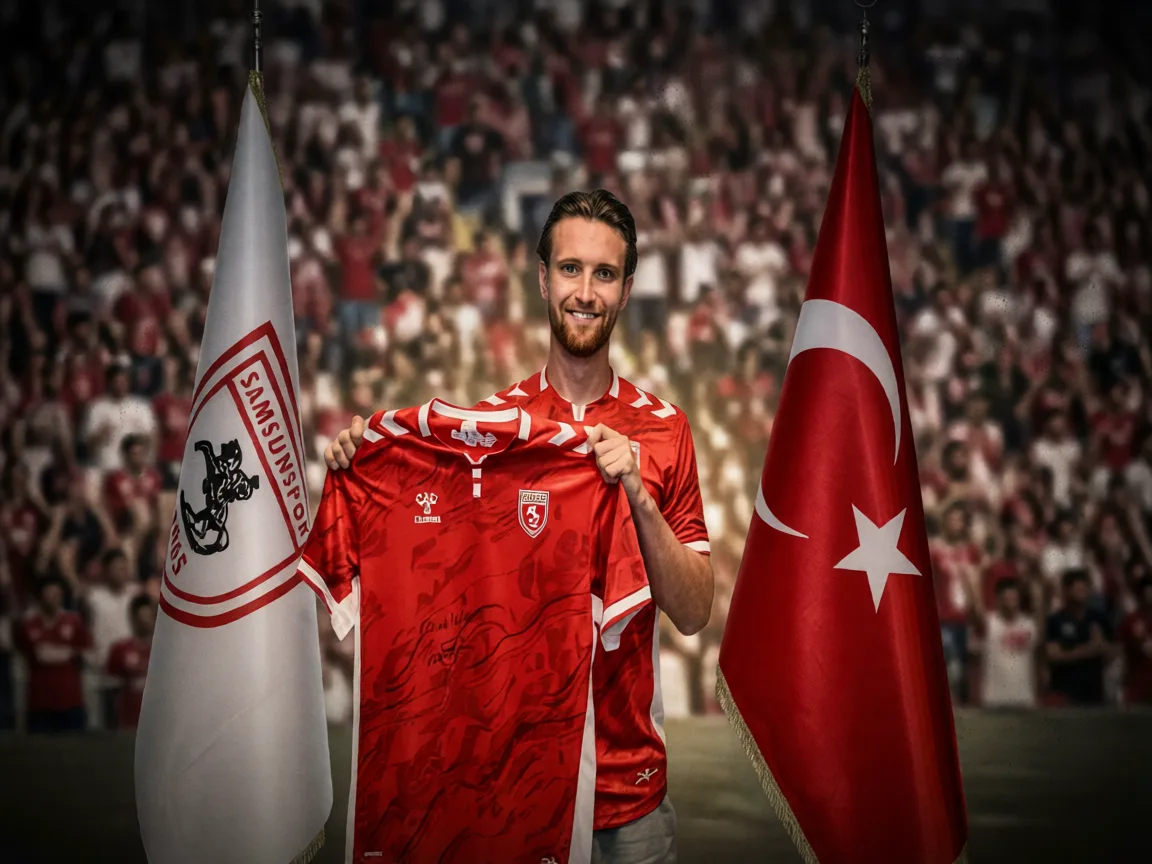
Watt Trade to Samsunspor Reshapes Motherwell Vision
Elliot Watt's transfer to Samsunspor signals a major shift for Motherwell and the Turkish Super Lig midfielder.
A Referee's Death and the System That Failed Him
Dutch referee Rob Dieperink died at 38, weeks after a World Cup withdrawal shrouded in unanswered questions about football's duty of care.