Scotland's Eight-Medal Surge Reshapes Glasgow Games
Host nation Scotland collected eight medals in five chaotic hours, including two golds, lifting their Glasgow Commonwealth total to 23.
Scotland's Five-Hour Surge: Eight Medals Shift the Glasgow Table
On Wednesday in Glasgow, Scotland collected eight medals in roughly five hours, pushing their running Commonwealth Games tally to 23 at the halfway mark of a home Games.
Two of those eight were gold. The rest silver and bronze, spread across an afternoon and early evening of competition that compressed what host nations usually buffer across a full week.
From Incremental Build to Midweek Acceleration
Scotland's tally had been building steadily since the opening day. What changed on Wednesday was the rate of accumulation. Eight medals in a five-hour window points to a scheduling quirk that stacked Scottish-strong events on a single day, a squad hitting peak form in front of a home crowd, or some combination of both. In multi-sport competition, those factors tend to reinforce each other: supportive venues produce better performances, which in turn pull more spectators into the next session.
Reaching 23 total medals at the halfway stage puts Scotland on a trajectory that would rank among their stronger Commonwealth finishes if sustained. Host-nation advantage typically manifests as a gentle uplift across the full week. Scotland got theirs in a burst.
The per-session question for the second half
The arithmetic is straightforward. If the first half produced medals at a rate the second half cannot match, the story shifts from resurgence to fade. Scotland's athletes need Wednesday's output to function as a floor, not a peak.
Glasgow has hosted multi-sport events before. The crowds know the rhythm. The squad's job now is to ensure the second half of the Games does not unravel the work the first half consolidated.
Editorial Integrity
This is an original SportPulse article written by our editorial team. All content is independently researched, written, and reviewed by our writers and editors before publication. We do not publish copied, aggregated, or syndicated content.
SportPulse is committed to original sports journalism. Read our editorial policy or contact us with any questions.
More Like This
All long-reads
The Octagon at 1600 Pennsylvania Avenue: Combat Sports Breaks Its Final Barrier
UFC Freedom 250 at the White House blurs every remaining line between sport, politics, and spectacle.
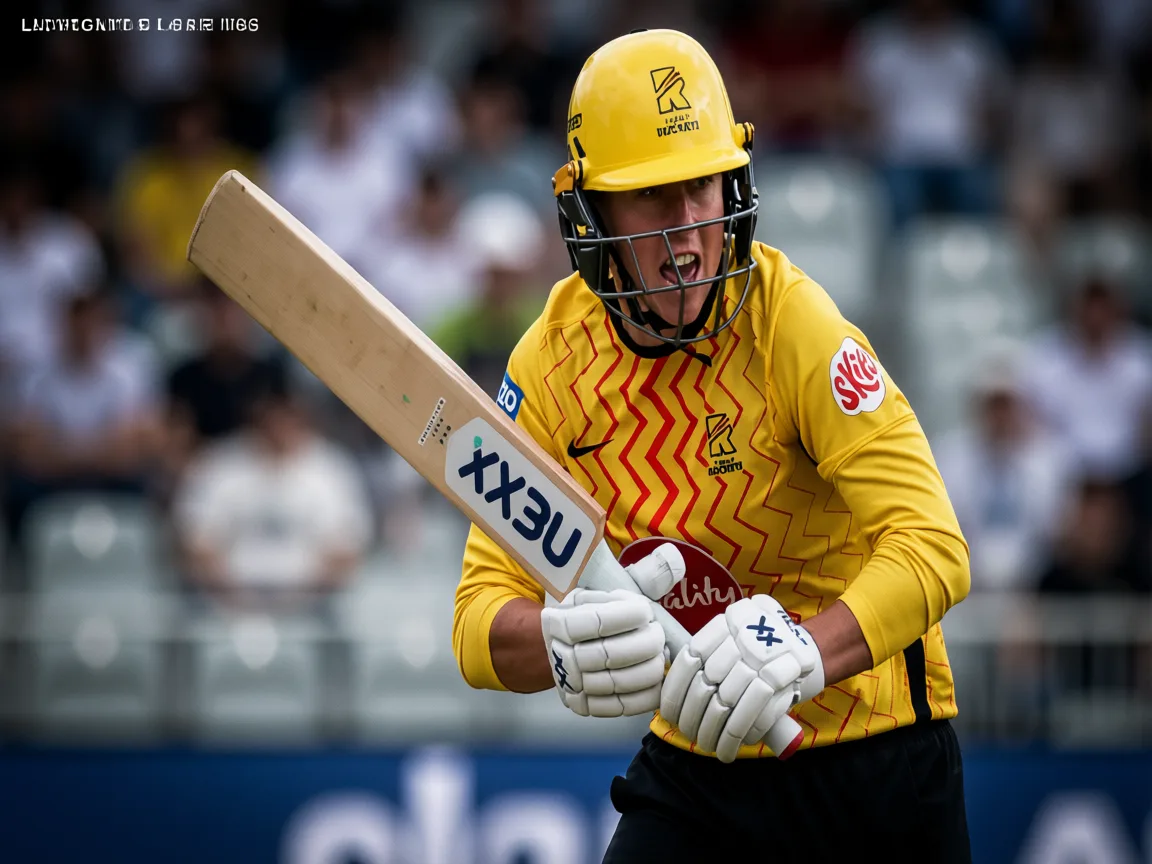
De Klerk's Unbeaten 41 Seals Spirit's Record Chase Against Rockets
Nadine de Klerk guides London Spirit to their highest successful run chase in franchise history with three balls to spare.
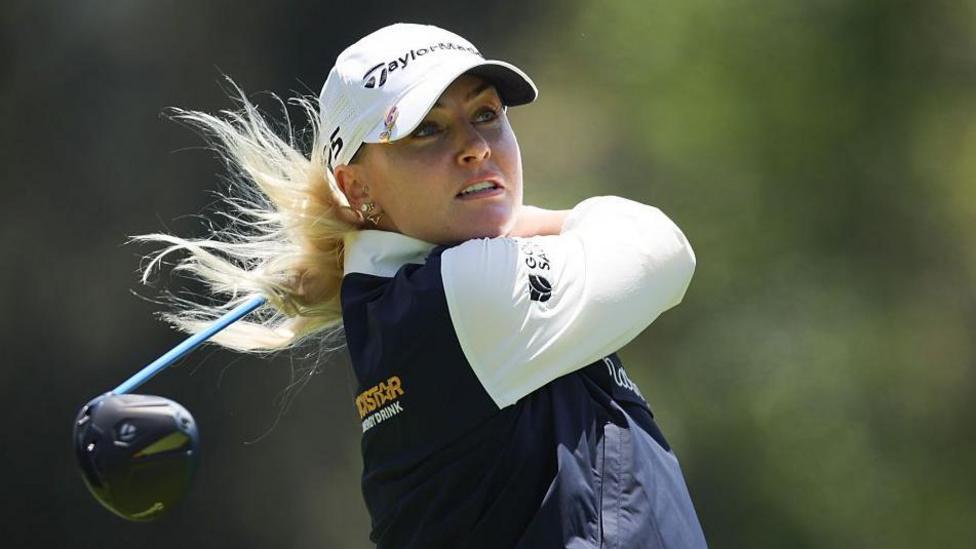
Charley Hull's US Open Heartbreak Signals Imminent Major Breakthrough
Charley Hull’s US Women's Open near-miss isn't a setback; it's the definitive statistical and tactical proof a major title is imminent.