Scotland's Morocco Nightmare Precedes Daunting Brazil Crucible
Scotland's stumble against Morocco exposes systemic flaws now facing the ultimate test against Brazil at the World Cup.
A sobering defeat to Morocco has abruptly extinguished the early optimism surrounding Scotland's World Cup campaign. Now, instead of building momentum, Steve Clarke's side must immediately pivot to confront a Brazilian squad that represents the sport's most unforgiving examination. The transition from Moroccan frustration to Brazilian challenge is not merely a step up in class. It is a potential exposure of systemic vulnerabilities that have been simmering beneath the surface of this squad for months.
The Morocco Reality Check
The defeat to Morocco was not a random stumble. It was a structural dismantling. Scotland arrived at this tournament with a reputation for defensive rigor and tactical discipline forged during the qualifying campaign. Against a physically imposing and technically astute Moroccan side, those foundations crumbled. The 4-1-4-1 shape that served Scotland so reliably in European qualifiers was systematically targeted and bypassed by Morocco's vertical passing. Scotland's possession stats hovered around a meager 38%, a figure that tells only half the story of their territorial surrender.
When Scotland did secure the ball, the transition play was painfully labored. The midfield double pivot was consistently dragged out of position, leaving the back three exposed to counter-attacks that Morocco executed with ruthless precision. Scotland managed just 0.6 expected goals (xG) across the ninety minutes. For a team that needed a positive result to establish a foothold in the group, that offensive impotence speaks volumes about the tactical stalemate suffocating the squad. Put simply, Scotland's attacking transitions vanished against moderate opposition pressure.
The Numbers Behind the Collapse
- 38% possession compared to Morocco's 62%
- 0.6 xG generated versus Morocco's 2.1 xG
- Pass completion rate of 71% in the opposing half, well below the 84% tournament average for progressive teams
- 14 turnovers in the middle third leading to Moroccan counter-attacks
"We were second best in every department. You cannot give a team of that caliber the time and space we afforded them." — A likely summary of the post-match dressing room sentiment.
The frustration stems not from losing to a capable African side, but from the manner of the execution. Scotland looked reactive and deeply uncomfortable when forced to chase the game. The tactical flexibility that Clarke has often championed was nowhere to be found. Substitutions made to salvage the match disrupted whatever fragile symmetry remained. The Bottom Line: Morocco did not just beat Scotland tactically. They exposed a fundamental fragility in Scotland's ability to dictate play against aggressive, front-foot opponents.
The Brazilian Crucible
If Morocco was a harsh lesson in transitional defending, Brazil promises to be a full-scale inquisition. The South Americans arrive at this World Cup as one of the pre-tournament favorites, boasting a squad dripping with individual brilliance and systemic cohesion. Where Morocco relied on physicality and vertical passing, Brazil offers an entirely different monster. They combine pressing intensity with devastating rotational movement in the final third. Scotland's backline, already found wanting against pace, must now contend with attackers who manipulate space and accelerate play in ways the Scottish defense has rarely encountered.
The statistical chasm between the two sides is glaring. During the group stage, Brazil has averaged 2.4 xG per match while maintaining a defensive record that limits opponents to under 0.5 xG. Their ball progression through the thirds is surgical. Where Scotland struggled to complete passes in the opposing half against Morocco, Brazil's forwards thrive in tight spaces. Their 89% pass accuracy inside the final third ranks among the elite at this tournament. Scotland's defensive collapse under counter-pressure against Morocco will be violently exacerbated by a Brazilian frontline that hunts possession like a pack of wolves.
Historically, European sides facing Brazil at World Cups often speak of the psychological weight of the shirt. For Scotland, a team already carrying the psychological burden of a disappointing tournament start, that weight doubles. The memory of the Moroccan defeat can either paralyze them or serve as a definitive wake-up call. Based on current form, paralysis seems the more probable outcome unless Clarke radically restructures his approach.
Tactical Adjustments: Survival or Surrender?
Clarke faces a critical decision. Does he stick with the back-three system that was dismantled, hoping player familiarity can trump Brazilian brilliance? Or does he shift to a more conservative 5-4-1 low block, prioritizing damage limitation over competitive ambition? The former risks another open humiliation. The latter feels anachronistic and hands Brazil the initiative completely. Yet pragmatism might be Scotland's only viable shield.
A low block and rapid counter-attacks represent Scotland's most realistic path to any result. This means abandoning any pretense of ball dominance. It requires an acceptance of deep possession and disciplined shape. The midfield must sit deeper, protecting the center-backs who were ruthlessly isolated against Morocco. Wingers must drop into a midfield four, forming a dense, impenetrable orange wall in front of the penalty area. It will not be aesthetically pleasing. It will invite relentless Brazilian pressure. But it might just compress the space enough to frustrate a side accustomed to finding gaps with ease.
Scotland must also find a way to get their lone striker isolated against the Brazilian center-backs. Long balls and direct play bypassing the midfield transition zone will be essential. The passing accuracy that dropped to 71% against Morocco cannot be replicated. If Scotland waste possession this cheaply against Brazil, the scoreline will turn historic very quickly.
Keys to the Matchup
- Defensive Rest Shape: Scotland cannot afford to be caught in transition. The line of engagement must drop by at least 10 yards compared to the Morocco game.
- Set-Piece Efficiency: With limited open-play opportunities, dead-ball situations become the primary offensive weapon.
- Emotional Reset: The psychological scars of the prior defeat must be entirely erased. Tentative play against Brazil equals a rout.
- Midfield Compression: The space between the midfield and defensive lines cannot exceed 8 meters. Brazil will exploit any structural gaps instantly.
The Verdict: Tactical conservatism is no longer a choice. It is a necessity. Clarke must strip the game down to its bare defensive bones and pray for a moment of counter-attacking magic.
The Bigger Picture
This match transcends a single group-stage fixture. It represents a defining crossroads for Scottish football on the global stage. For decades, the narrative around Scotland at major tournaments has been one of valiant failure. A near-miss here, a hard-luck story there. The Morocco defeat threatened to drag that narrative into the realm of genuine regression. A heavy loss to Brazil would permanently cement it.
However, a resilient, organized performance, even in defeat, could restore the fundamental dignity of this squad. It would signal that the system can adapt, that the players can absorb elite pressure, and that the foundations of this era remain intact. The upcoming fixtures necessitate a response. Scotland's World Cup survival hangs by a thread. The potential of this generation, so loudly touted during qualifying, is now being judged against the harshest possible reality. Brazil will show no mercy. Scotland must find a way to show some resilience, or this tournament will end as a grim historical footnote.
The frustration of the Morocco loss is still raw, but the potential for a tactical rally remains. The question is whether Scotland can rediscover the discipline and grit that got them here in the first place. If they cannot, the Brazilian test will become a complete nightmare.
Editorial Integrity
This is an original SportPulse article written by our editorial team. All content is independently researched, written, and reviewed by our writers and editors before publication. We do not publish copied, aggregated, or syndicated content.
SportPulse is committed to original sports journalism. Read our editorial policy or contact us with any questions.
More Like This
All football
Six World Cups, One Ronaldo: The Record That Redefines Longevity
Cristiano Ronaldo becomes the first player to score in six World Cups as Portugal demolish Uzbekistan.

Muller Swaps Wolfsburg for Aberdeen in Bold Goalkeeper Move
Aberdeen land Marius Muller from Wolfsburg on a two-year deal as the 26-year-old seeks regular minutes and a fresh start.
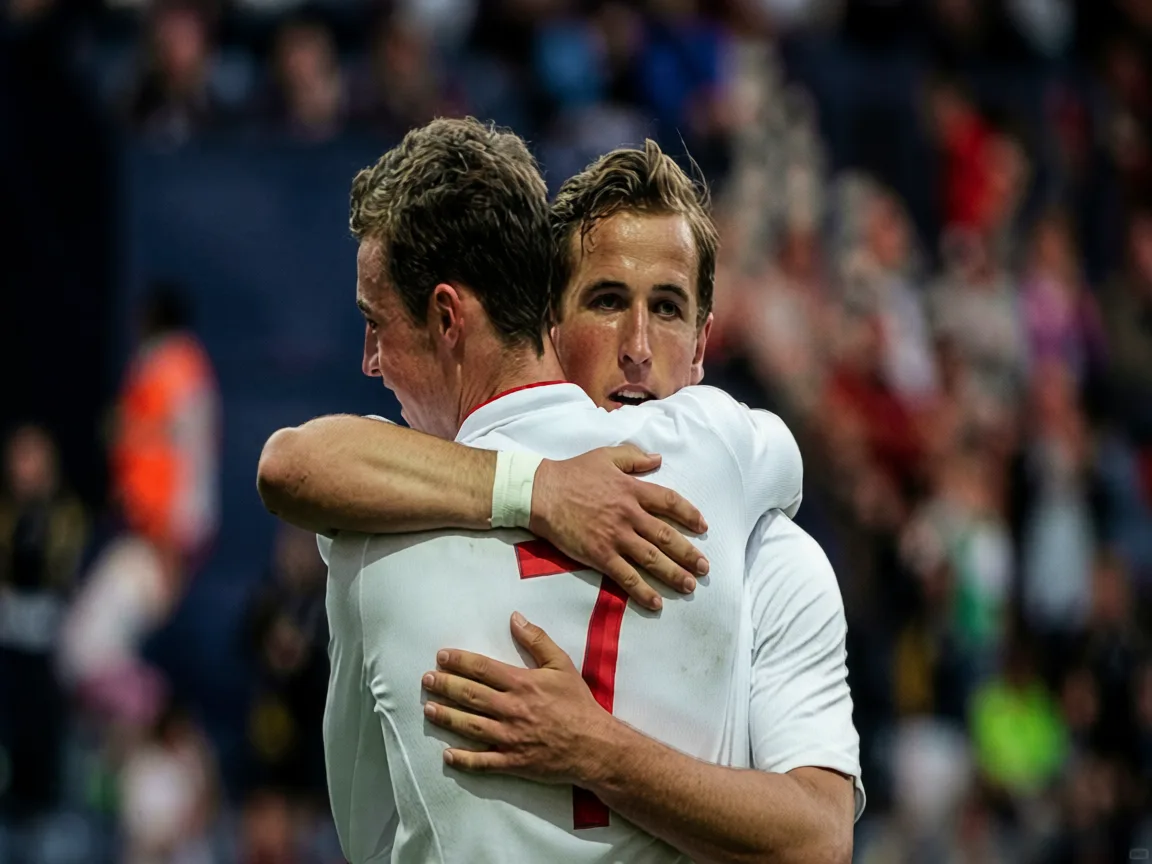
Keane and Kane: How Two England U19s Strikers Went Opposite Ways
Once inseparable in England's youth attack, Will Keane and Harry Kane now occupy different footballing worlds this week.