Scotland's World Cup Dream Hangs by a Thread After Brazil Collapse
Calamitous defending handed Brazil a 3-0 win in Miami, leaving Scotland's knockout hopes on a knife edge.
The Night Scotland's Defence Fell Apart
Scotland walked into the Hard Rock Stadium in Miami with history in their sights. They walked out of it staring into the abyss.
Brazil, clinical and ruthless, punished every defensive lapse to seal a 3-0 victory and clinch top spot in Group C. For Scotland, the result is more than a defeat. It is a gut punch to a nation still chasing its first-ever appearance in the knockout stages of a World Cup.
The scoreline flatters nobody. This was not a case of Scotland being outclassed by superior talent across ninety minutes. This was self-inflicted, repeated defensive errors that gifted Brazil openings they were never going to waste.
How It Unfolded
The pattern was established early. Scotland's backline, which had shown moments of composure in earlier group matches, looked jittery from the opening whistle. Brazil pressed high, moved the ball with tempo, and waited for the cracks to appear.
They did not have to wait long.
Brazil's first goal was a direct consequence of a defensive miscommunication, the kind of error that gets punished at this level every single time. The second was worse, a breakdown in positioning that left acres of space for the Seleção to exploit. By the time the third went in, Scotland's heads had dropped and the contest was effectively over.
The Miami crowd, heavily pro-Brazil throughout, sensed the kill early. Scotland's travelling support, vocal and passionate as ever, could only watch as their team's composure disintegrated under pressure.
Defensive Meltdown Under the Microscope
The numbers paint a brutal picture. Three goals conceded, each stemming from errors rather than moments of individual Brazilian brilliance. Scotland's defensive structure, which had been the foundation of their qualifying campaign and group-stage resilience, simply collapsed at the worst possible moment.
This was not a side being carved open by intricate passing moves or overwhelmed by pace on the counter. Brazil took what Scotland offered them, and Scotland offered far too much.
For a team whose tournament ambitions were built on organization and discipline, the regression against the one opponent they could least afford to gift chances to was staggering. The back four looked unfamiliar with each other, a damning indictment given the stakes involved.
Brazil, by contrast, were everything Scotland were not. Calm in possession, ruthless in transition, and utterly unforgiving when presented with half-chances. They topped Group C with the authority of a side that expected nothing less.
The Weight of History
Scotland have never reached the knockout stages of a World Cup. That is not a footnote. It is the defining narrative of their relationship with this tournament, a drought stretching back decades and across multiple generations of players.
This squad arrived in Miami believing they could rewrite that story. The group stage had offered genuine hope. Results elsewhere had kept the door ajar. All Scotland needed was to hold their nerve against the toughest opponent in the group.
They could not do it. The pitiful nature of their attacking output is reflected in comparative stats: Steve Clarke’s men have been outscored by Haiti in Group C, plus New Zealand, Iran and Cape Verde elsewhere in the tournament.
The emotional toll was visible on the faces of every Scotland player as the final whistle blew. Some dropped to the turf immediately. Others stared into the middle distance, processing what had just happened and what it meant for their tournament.
"We let ourselves down. We let the country down. There is no other way to describe it." A Scotland player's words in the mixed zone, spoken quietly and without excuses.
Inside the Locker Room
The Scotland dressing room after the final whistle was a scene of devastation. Players sat slumped in their seats, kit still soaked with sweat, barely speaking. Coaching staff moved between individuals offering words of encouragement that clearly could not pierce the grief.
One senior figure, who had spoken before the tournament about the generational opportunity this group represented, sat with a towel draped over his head for several minutes before addressing the room. The message was simple: the campaign was not over yet, and the squad owed it to themselves to finish with dignity.
But the atmosphere told the real story. Scotland's players knew what they had let slip. The defensive errors were not bad luck. They were failures of concentration and execution at the precise moment when neither could be afforded.
What Brazil Showed
Brazil did not need to be at their best to win this comfortably. That is the most damning aspect for Scotland. The five-time World champions operated in second gear for long stretches, content to control possession and wait for mistakes.
When the mistakes came, they were clinical. Their attacking players moved with the fluidity and understanding that comes from years of playing together at the highest level. Scotland's defenders were chasing shadows for much of the match.
Finishing top of Group C was the minimum expectation for Brazil, and they delivered it without ever needing to shift into the ruthless, devastating mode that has defined their best World Cup campaigns. The knockout rounds will require more. They will also get more from this squad, which appears to be building momentum at precisely the right time.
What It Means
Scotland's fate now rests on permutations and results elsewhere. The 3-0 defeat has left them in a precarious position in Group C, their goal difference significantly damaged and their margin for error effectively eliminated.
The knockout stages, that elusive frontier Scottish football has chased for generations, remain possible in theory. In practice, they now require a combination of results that is far from guaranteed.
BBC Sport analysis has detailed the specific conditions. For Scotland to qualify, they must beat Serbia in their final group match and rely on other results to go their way. Specifically, they need Brazil to draw or beat Cameroon, and for the result in the Cameroon-Serbia match not to create a goal-difference swing that eliminates them. It is a narrow, complicated path.
For the players, the immediate challenge is psychological. How do you recover from a defensive implosion of this magnitude with everything on the line? The next match becomes the most important in Scottish football history, and it arrives with confidence shattered and goal difference in tatters.
For Brazilian football, the picture is far brighter. Top of the group, building momentum, and with their defensive solidity yet to be truly tested by the tournament's elite. The knockout rounds await with genuine expectation.
Scotland came to Miami with dreams. They leave with the painful realization that at the World Cup, defensive errors do not just cost you goals. They cost you history.
Updated: 2026-06-25 — Added specific conditions Scotland need to qualify for the knockout stages.
Editorial Integrity
This is an original SportPulse article written by our editorial team. All content is independently researched, written, and reviewed by our writers and editors before publication. We do not publish copied, aggregated, or syndicated content.
SportPulse is committed to original sports journalism. Read our editorial policy or contact us with any questions.
More Like This
All football
Limerick's Late Siege Breaks Clare in Croke Park Classic
Limerick edged Clare 1-21 to 1-19 in a thrilling All-Ireland semi-final, returning to the final stage for the first time since 2023.

Tebas Slams FIFA’s Complicit Silence Over Balogun Saga
Javier Tebas accuses FIFA of enabling player unrest through inaction, exposing governance failures in international football.
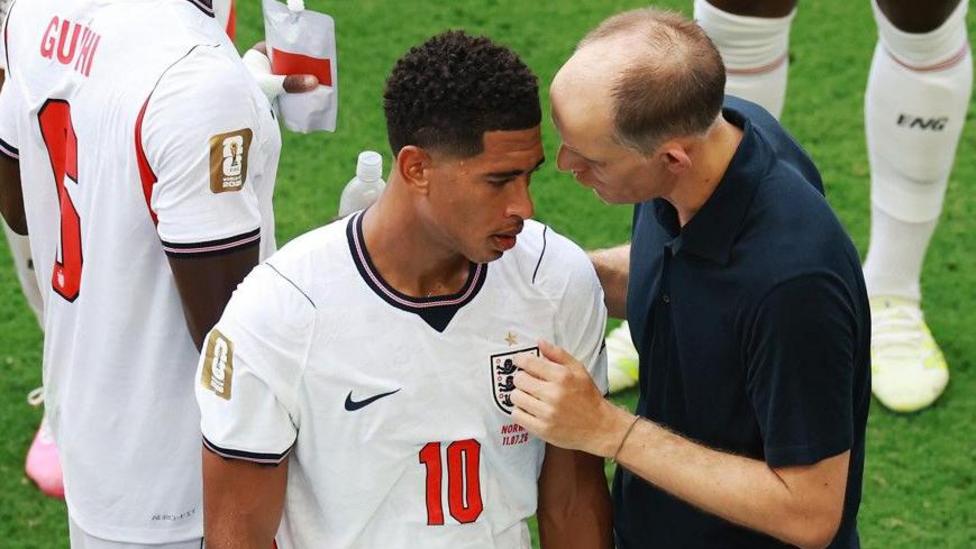
Tuchel Calls England Lucky, Bellingham Hits Back
Thomas Tuchel sparked a dressing room divide by calling England's World Cup quarter-final win lucky, with Jude Bellingham publicly disagreeing.