Centre Court Belongs to Serena — And Always Will
Serena Williams' standing ovation at Centre Court reminds us why Wimbledon is her spiritual home.
The Ovation That Said Everything
Some entrances need no introduction. When Serena Williams walked out onto Centre Court at Wimbledon for the first time in four years, the crowd did what crowds at SW19 do best when a legend reappears — they stood, and they roared. It was the kind of moment that transcends a first-round match, the kind that turns a tennis stadium into a cathedral of memory and reverence.
This was not a routine return. This was Serena, 23-time Grand Slam champion, walking back onto the grass that has defined so many chapters of her career, after a prolonged absence that left the sport quietly wondering whether this day would ever come. Centre Court answered the question before Serena even picked up her racquet.
A Wimbledon Legacy Like No Other
To understand why this ovation carried so much weight, you need to understand what Serena Williams has meant to this specific patch of grass in south-west London. She has won the Wimbledon singles title seven times — a number that places her among the most decorated champions in the tournament's storied history, trailing only Martina Navratilova's nine titles and matching Steffi Graf's haul.
Her first Wimbledon triumph came in 2002, when she demolished her sister Venus in the final. Her most recent came in 2016, when she beat Angelique Kerber to equal Graf's Open-era record of 22 Grand Slam singles titles. In between, she built a dynasty on grass that few players in any era can rival:
- 7 Wimbledon singles titles (2002, 2003, 2005, 2009, 2010, 2012, 2016)
- 6 Wimbledon doubles titles with Venus Williams
- Reached 11 Wimbledon singles finals in total
- Career win rate on grass exceeding 87%
The numbers alone are staggering. But what made Serena at Wimbledon different from Serena at any other Grand Slam was the theatrical quality of her dominance. Centre Court, with its royal patronage, its all-white dress code, its strawberries and cream — this was supposed to be the domain of the genteel. And Serena, with her power game, her fist pumps, her unapologetic intensity, rewrote the script entirely. She didn't just win Wimbledon. She colonized it.
The Absence
The four-year gap makes the reunion even more poignant. Serena's last meaningful Wimbledon campaign saw her reach the 2019 final, where she fell to Simona Halep in a surprisingly one-sided contest, 6-2, 6-2. That defeat was significant — Halep played perhaps the finest match of her career that day, and Serena, for once, looked mortal on Centre Court.
What followed was a period defined by near-misses and frustration. She reached the 2019 US Open final and lost to Bianca Andreescu. She reached the Australian Open semifinal in 2021 and fell to Naomi Osaka. The 24th Grand Slam title — the one that would equal Margaret Court's all-time record — remained agonizingly out of reach.
Then came the physical toll. Injuries began to mount. The pandemic disrupted the calendar. And when she finally returned to Wimbledon in 2021, her campaign lasted just one set before a slip on the wet grass forced her to retire in tears during her first-round match against Aliaksandra Sasnovich. It was a cruel image: Serena, one of the greatest athletes of all time, limping off Centre Court not on her own terms.
What the Ovation Really Meant
The standing ovation she received upon her return was, in many ways, the crowd processing all of that history at once. It was appreciation for the seven titles, yes. But it was also acknowledgement of the struggle — the injuries, the setbacks, the relentless pursuit of a record that has become both her obsession and her burden.
Wimbledon crowds are famously reserved. This is not the US Open, where noise is currency and every point is a carnival. The All England Club audience takes its time before committing to emotion. The fact that they rose for Serena before a ball was struck tells you everything about how she is viewed at this tournament. She is not a visitor here. She is royalty.
The Bigger Picture
Serena's return also arrives at a fascinating moment in women's tennis. The tour has shifted. Iga Świątek has established herself as the dominant force, riding a 37-match winning streak that drew comparisons to the kind of sustained excellence Serena herself once produced. The next generation — Coco Gauff, Emma Raducanu, Leylah Fernandez — has arrived with force. The landscape Serena once ruled is unrecognizable in many respects.
And yet, her presence still warps the gravitational field of any tournament she enters. That is the mark of true greatness — not just winning, but being the player everyone else measures themselves against, even when you haven't played in months. Every draw that features Serena's name is a different draw. Every opponent who sees her across the net knows they are facing something that transcends current form or ranking.
The 24th Title
Let's address the elephant on Centre Court. Serena has been stuck on 23 Grand Slam singles titles since winning the 2017 Australian Open while pregnant — a fact so absurd it still feels like fiction. Margaret Court's record of 24, set largely during the amateur era, has become the white whale of Serena's career.
The question hanging over her Wimbledon return is not whether she can win a match. It's whether, at this stage of her career, she can summon seven consecutive victories on grass against the best players in the world. The honest answer is that it would require something extraordinary. But Serena has built an entire career on making the extraordinary feel inevitable.
Her serve remains one of the most potent weapons in the history of the sport. Even in her late thirties, she can generate first-serve speeds north of 120 mph and hit through opponents who simply cannot match her power from the baseline. The grass at Wimbledon rewards that kind of ball-striking more than any other surface. If there is a Grand Slam where Serena can conjure one last miracle, this is it.
The Bottom Line
Serena Williams walking onto Centre Court to a standing ovation is not a sentimental footnote. It is a reminder that sport, at its best, is about the relationship between a performer and a stage. Serena has been the greatest performer Wimbledon has seen in the modern era. The crowd knows it. The sport knows it. And as long as she keeps walking through that tunnel, the ovation will keep coming — because what she has built on that grass is permanent, regardless of what happens next.
The 24th title may or may not come. But Centre Court will always belong to Serena.
Editorial Integrity
This is an original SportPulse article written by our editorial team. All content is independently researched, written, and reviewed by our writers and editors before publication. We do not publish copied, aggregated, or syndicated content.
SportPulse is committed to original sports journalism. Read our editorial policy or contact us with any questions.
More Like This
All tennis
Serena's Wimbledon Return: Legend vs Upstart Joint
Serena Williams launches her Wimbledon singles comeback against unpredictable Australian qualifier Maya Joint in a blockbuster first-round clash.
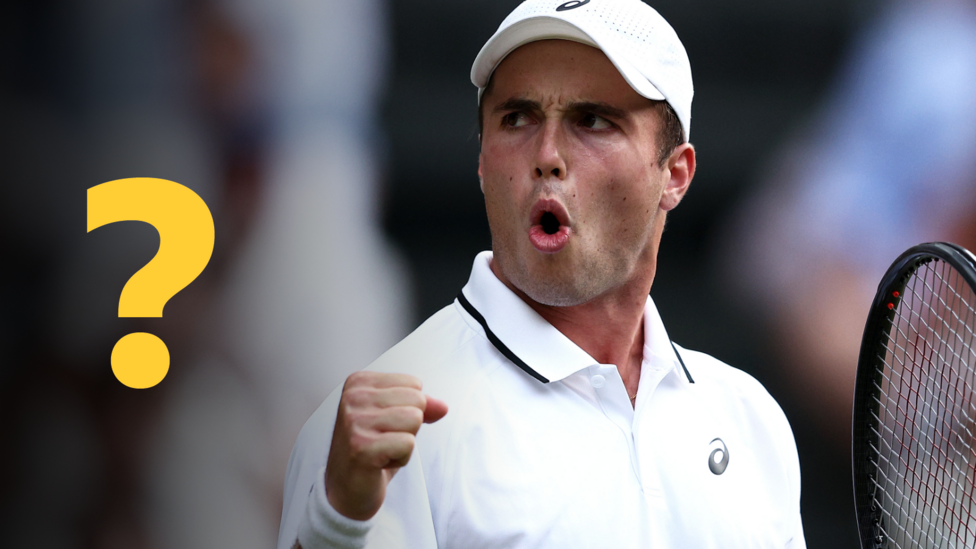
Britain's Wimbledon Quarter-Finalists: A Forgotten Roll Call
Ten British players reached a Wimbledon singles quarter-final in the Open era. Most are forgotten. Their stories deserve better.
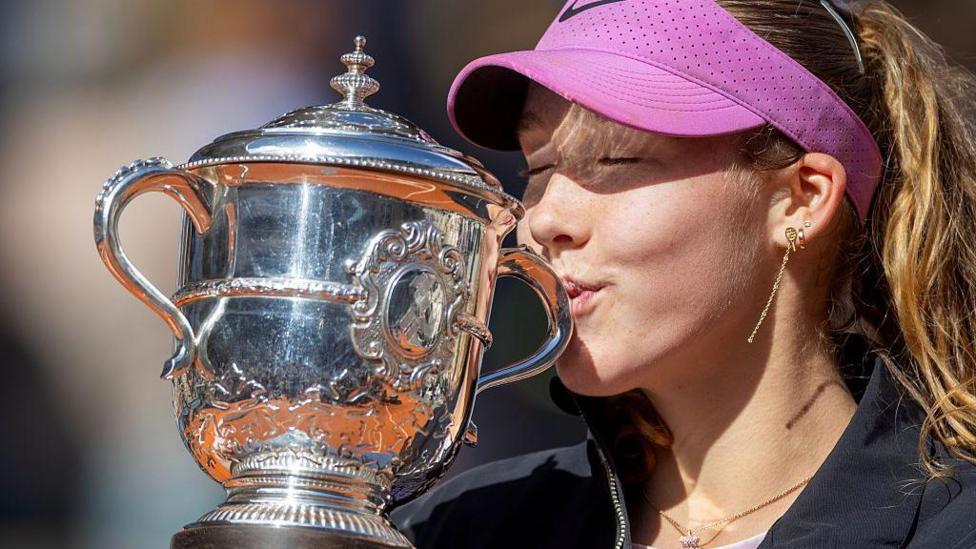
Andreeva Thanks Herself — And Earns Every Word at Roland Garros
At 18, Mirra Andreeva claimed her first Grand Slam title at the French Open with uncommon self-assurance.