The Queen Returns: Serena Williams Given Wimbledon Singles Wildcard at 44
Seven-time champion Serena Williams makes stunning singles return at Wimbledon after nearly four years away from the sport.
Centre Court Awaits Its Queen One More Time
The gates of the All England Club are about to swing open for a name that owns its grass more than perhaps any player in modern history. Serena Williams, the seven-time Wimbledon singles champion, has been handed the tournament's final wildcard, setting the stage for a singles comeback that defies the conventions of professional tennis, biology, and perhaps logic itself.
At 44 years old, Williams will step onto the lawns of SW19 for her first singles match in nearly four years, having officially retired from the sport after a tearful exit at the 2022 US Open. That farewell, which felt definitive in the emotional glow of Arthur Ashe Stadium, now reads less like a final chapter and more like an ellipsis.
The announcement, made by the All England Club on Sunday, sent immediate shockwaves through the tennis world. Not because Serena Williams is a stranger to dramatic returns, but because this one carries a different texture. There is no pregnancy to bounce back from, no injury to rehab. This is a champion walking back into the arena on her own terms, at an age when most of her contemporaries have long since moved into commentary booths and coaching boxes.
The Weight of Seven Titles
To understand why this wildcard matters, you have to understand what Wimbledon means to Serena Williams, and what Serena Williams means to Wimbledon.
Her seven singles titles at the All England Club span from 2002 to 2016, a period of dominance that saw her win on grass with a ferocity that redefined how the surface could be played. Her serve, clocked at speeds that still rank among the fastest in women's tennis history, turned Centre Court into a launch pad. Her movement, often underappreciated, was devastatingly efficient on the slick surface.
Those seven titles place her tied with Steffi Graf and behind only Martina Navratilova's nine in the Open Era. The numbers alone tell a story of sustained excellence:
Serena's Wimbledon by the Numbers
- 7 singles titles (2002, 2003, 2009, 2010, 2012, 2015, 2016)
- 98 match wins at the All England Club across singles and doubles
- Win rate exceeding 85% on grass throughout her career
- 39 years old when she reached the 2021 semifinal, her last singles appearance at Wimbledon
- 0-4 in Grand Slam finals upon her return from maternity leave in 2018-2019, a haunting statistic that followed her until the end
That 2021 run to the semifinals, where she retired during a first-round match due to a hamstring injury, was the last time Wimbledon crowds saw Serena in singles action. She was 39 then. She is 44 now. The gap between those two numbers contains entire careers for most players.
The Anatomy of a Comeback That Shouldn't Work
Let's be honest about the landscape Serena is walking into.
The women's game has changed dramatically since 2022. Iga Swiatek has consolidated her dominance, winning multiple Grand Slam titles with a relentless baseline game that would challenge any version of Serena. Aryna Sabalenka has emerged as the most powerful hitter on tour, a player who mirrors Serena's own game in frightening ways. Coco Gauff, who once shared a viral practice session with Serena as a child, is now a Grand Slam champion in her own right.
The physical demands of a two-week Grand Slam tournament are unforgiving even for players in their prime. Seven matches over 14 days, each one testing endurance, reaction time, and the ability to recover between rounds. For a 44-year-old who has been away from competitive singles for nearly four years, the challenge is not just enormous. It is unprecedented.
Yet this is Serena Williams. And precedent has never been her concern.
She returned from a pulmonary embolism in 2011 and won three more Grand Slams. She won the 2017 Australian Open while pregnant, a fact that still staggers the imagination. She came back from giving birth to her daughter Olympia, enduring life-threatening complications during delivery, and reached four Grand Slam finals in the span of a year.
Each of those comebacks carried its own risks and its own narrative. This one is different. This one has the unmistakable feel of a farewell tour that Serena herself refuses to frame as such.
The Doubles Story with Venus
The singles wildcard is the headline, but the doubles entry with Venus Williams adds another layer of significance. The Williams sisters have won six Wimbledon doubles titles together, a partnership that stretches back to 2000. Venus, now 46, has been competing on the WTA Tour intermittently in recent years, their occasional doubles pairings becoming beloved spectacles rather than serious title pursuits.
But there is something poetic about the two of them walking onto the doubles court at Wimbledon one more time. They are the most successful sibling partnership in tennis history, their combined 30 Grand Slam singles titles a number that still seems implausible when spoken aloud. Watching them together, even in diminished form, connects today's audience to a lineage of excellence that spans three decades.
The Wimbledon doubles draw may lack the prestige of singles, but for the Williams sisters, it represents something more intimate: a shared stage, a shared history, and perhaps a shared goodbye.
What Can We Realistically Expect?
The honest answer is that Serena's path through the singles draw will be extraordinarily difficult. Her ranking has dropped off the charts. Her match fitness is unproven. Her opponents will be younger, faster, and hungrier.
But Wimbledon has always been the Grand Slam where the unexpected feels most possible. The grass rewards the serve above all else, and Serena's serve, even at its most diminished, remains one of the most formidable weapons in the history of the sport. A first-round match on Centre Court, with the crowd willing every point in her favor, is a different competitive environment than a grinding baseline war on hard court.
A realistic ceiling might be a run to the second or third round, powered by nostalgia, adrenaline, and the sheer force of Serena's competitive will. A romantic's ceiling sees her reaching the second week, where the magic of grass and the roar of a Centre Court crowd conspire to produce something we will talk about for decades.
Either outcome, or anything in between, will be appointment viewing.
The Bigger Picture
Serena Williams' return to singles at Wimbledon is not just a tennis story. It is a story about what happens when a transcendent athlete refuses to accept that their time has passed. It is about the pull of competition, the allure of Centre Court, and the unfinished business that lingers in the mind of someone who has won everything except the ending she wants.
The 2022 US Open retirement was meant to be that ending. It was beautiful, emotional, and complete. But Serena has never been one to let others write her final chapter.
"I never wanted to retire. I just needed time." — Serena Williams, speaking in early 2026 about her decision to return to professional tennis
When she walks through the gates of the All England Club this summer, she will do so carrying 23 Grand Slam singles titles, the weight of expectation, and the knowledge that every eye in the tennis world will be fixed on her. The same weight she has carried for over two decades. The same spotlight she has always sought.
Wimbledon 2026 begins on June 29. The lawns are being prepared. The draw will be made. And somewhere in the bracket, a first-round opponent will look at their section and realize they are about to face Serena Williams on grass.
For the first time in nearly four years.
For what might be the last time ever.
The Queen is coming back to Centre Court. Whatever happens next, tennis is better for it.
Editorial Integrity
This is an original SportPulse article written by our editorial team. All content is independently researched, written, and reviewed by our writers and editors before publication. We do not publish copied, aggregated, or syndicated content.
SportPulse is committed to original sports journalism. Read our editorial policy or contact us with any questions.
More Like This
All tennis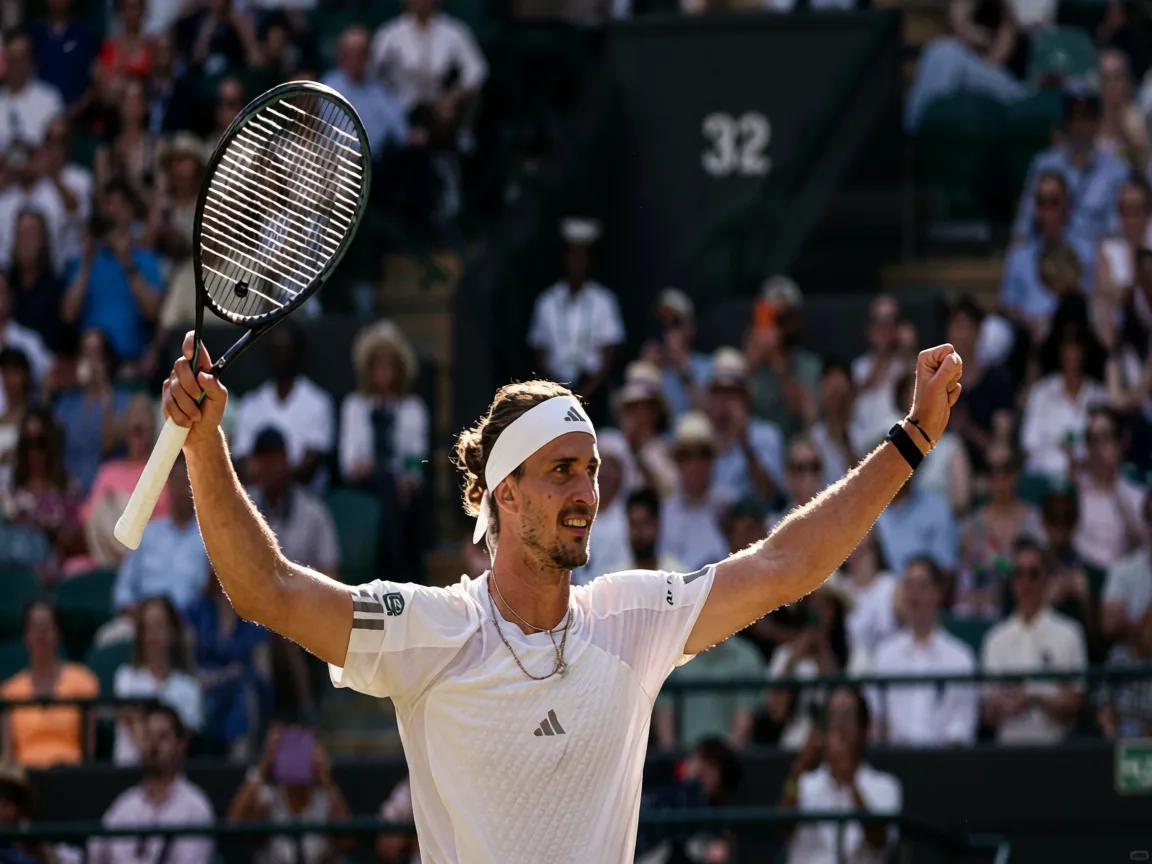
Zverev Breaks the Fritz Curse to Reach His First Wimbledon Semi-Final
A dominant Zverev ended his losing streak against an injured Fritz to reach his first Wimbledon semi-final, reshaping his Grand Slam legacy.
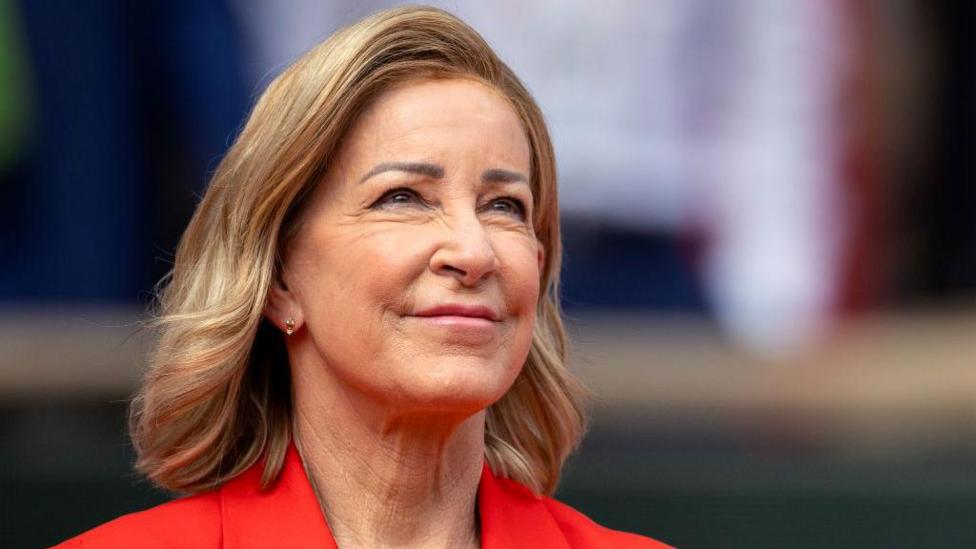
The Relentless Opponent: Chris Evert Faces Her Toughest Match Yet
Wimbledon champion Chris Evert announces a third cancer diagnosis, challenging a legend who dominated tennis's mental game.

Behind the Hedges: Sabalenka, Secret Pools, and Wimbledon's Quiet Charm
Aryna Sabalenka wants dogs at Wimbledon. The All England Club already built them a pool — just hidden behind Henman Hill.