Seeing the Beautiful Game Through Your Child's Eyes
A child's first World Cup strips away cynicism and restores the pure magic of football.
The screen lights up the darkened living room. A five-year-old sits cross-legged on the carpet, neck craned upward, transfixed. When the ball hits the net, the shriek that follows does not belong to a seasoned supporter weighing the tactical implications of a high press. It is pure, unadulterated electricity. This is the first World Cup you share with your kid. And it changes everything.
We spend years letting football harden us. We learn to expect the missed penalty. We brace for the defensive collapse. We memorize the bus-parking formations and the cynical time-wasting that drains the life out of a Tuesday night in November. But watching a tournament through the wide-eyed wonder of a child strips all that away. The beautiful game suddenly remembers it is actually beautiful.
The Death of Cynicism
Adult fandom is built on a foundation of protective skepticism. We refuse to get our hopes up because we know the cost of hope shattered. But a child watching their first World Cup carries no such emotional scar tissue. They do not care about historical narratives of quarter-final exits or decades-long trophy droughts. They see a ball, a net, and a crowd going absolutely wild.
"Why is that man crying, Dad? Did he lose?"
"No, mate. He won. He's just happy."
That single exchange reframes the entire emotional architecture of the sport. When did crying out of pure joy become a foreign concept to us? When did we stop feeling the intoxicating rush of a stoppage-time equalizer and start calculating the expected points gained for our fantasy lineups?
A child drags you back to the raw essence of the event. They recoil at the roar of the crowd, then immediately lean closer. They ask why the goalkeeper wears a different color. They laugh at the yellow card because it looks like the referee is holding a tiny kite. The FIFA World Cup is a quadrennial festival of global culture, but to a kid, it is simply the greatest show on earth.
The First Timer's Manifesto
- One question per minute. Who is the fastest? Who is the best? Can they do a backflip?
- Unwavering loyalty. The team with the coolest shirt is their team. Forever. No tactical discourse allowed.
- Total immersion. The pre-match anthem is a full-body experience, complete with attempted drumming on the coffee table.
- Optimism unbound. There is always time to score another goal. Always.
The Gateway Moment
Every football fan remembers their exact gateway moment. The specific goal, the特定 player, the visceral sensation of seeing something impossible made real. Sharing that moment from the other side, as the guide rather than the initiate, carries a profound weight.
You are not just watching a match. You are laying the foundation for a lifelong relationship with a sport that will break their heart repeatedly and keep them crawling back for more. You are introducing them to the universal language of the penalty shootout, the agonizing wait for VAR, and the glorious chaos of a crowded penalty box.
Pick your moment carefully. Atmospheric group-stage fixtures under the desert sun or torrential rain work wonders. The stakes feel enormous to them even if the math suggests otherwise.
I remember my own initiation. Italia 90 was a blurry mosaic of neon and noise, but the image of players weeping on the turf remains seared in my memory. When your child witnesses their first World Cup, you are no longer the protagonist of your own footballing story. You become the narrator of theirs.
Transfer Intel: The Emotional Economy
There is a transaction at play here, a deeply personal transfer of enthusiasm. The child trades their boundless curiosity for your rusty expertise. You supply the context. They supply the magic.
- Asset acquired: Unfiltered astonishment. A bottomless reservoir of elation that you lost to adulthood and now get to borrow.
- Asset surrendered: The comfortable armor of detachment. You will care again. Deeply. And it will terrify you.
- Hidden clause: You are now emotionally invested not just in a result, but in the sanctity of their experience. A late red card is joyful chaos to them, but a brutal forfeiture of sleep to you.
This emotional deal reminds you of what football used to be before analytics, before tactical fouls, before the super leagues. It was just joy and heartbreak in equal measure, played out on a green rectangle that felt big enough to hold the entire world.
The Shared Language
The beautiful game has always functioned as a connective tissue across cultures. But it also serves as a connective tissue across generations. The World Cup is one of the rare sporting properties that genuinely stops the world. Sharing that collective pause with your offspring creates a private dialect. References forged at 10 PM on a school night bed. Inside jokes born from a ridiculous penalty technique. A mutual, unspoken agreement that the disallowed goal was absolutely a foul and the referee needs glasses.
These micro-moments compound over a month of tournament football. By the time the final rolls around, you will have built a shared history as robust as any childhood memory. Years from now, they will not remember the tactical mismatch or the tedious midfield battle. They will remember bouncing on the sofa. They will remember the shared chocolate at halftime. They will remember you being there.
The Long Game
The World Cup comes around every four years. That arbitrary timeline guarantees that a child's first tournament will bookend a distinct phase of their development. The toddler entranced by the bouncing ball and the colorful jerseys becomes the pre-teen arguing about offside. The teenager glued to their phone still glances up when the room erupts.
Watching your child experience their first World Cup is a mirror held up to your own aging fandom. It forces you to confront the jaded observer you have become and offers a way out. You do not have to abandon your tactical knowledge or your weary understanding of the modern game's structural imbalances. You just have to make room for the noise.
Because the noise is where the joy lives.
The game kicks off. The room fills with anticipation. Small hands grip your arm. For two hours, the world shrinks to the size of a screen and the width of a living room. There is nothing like the first World Cup you can enjoy with your kid. And the wide-eyed wonder through which they see it is the greatest gift football can give.
Editorial Integrity
This is an original SportPulse article written by our editorial team. All content is independently researched, written, and reviewed by our writers and editors before publication. We do not publish copied, aggregated, or syndicated content.
SportPulse is committed to original sports journalism. Read our editorial policy or contact us with any questions.
More Like This
All long-reads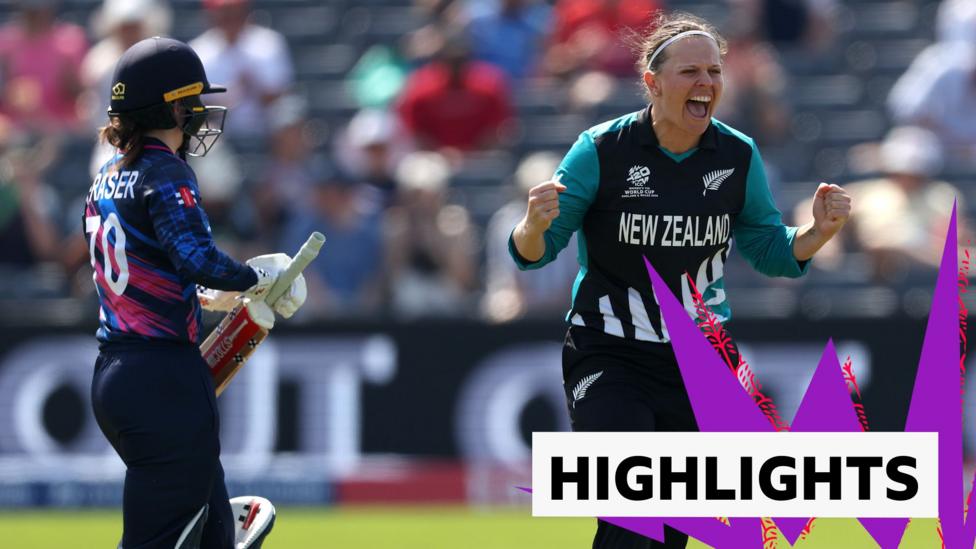
Carter's Heroics Not Enough as New Zealand End Scotland's Dream
Darcey Carter's stunning 72 went unrewarded as holders New Zealand sent Scotland crashing out of the T20 World Cup.
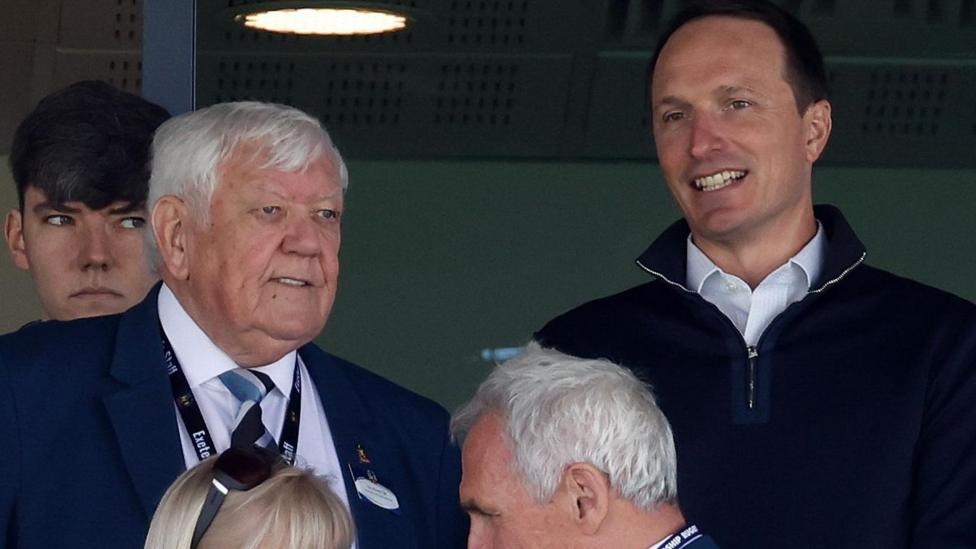
Black Knight's Empire Grows: Bournemouth Owners Complete Exeter Chiefs Takeover
Bill Foley's Black Knight group crosses the sporting divide, adding Premiership Rugby's Exeter Chiefs to a multi-sport empire.
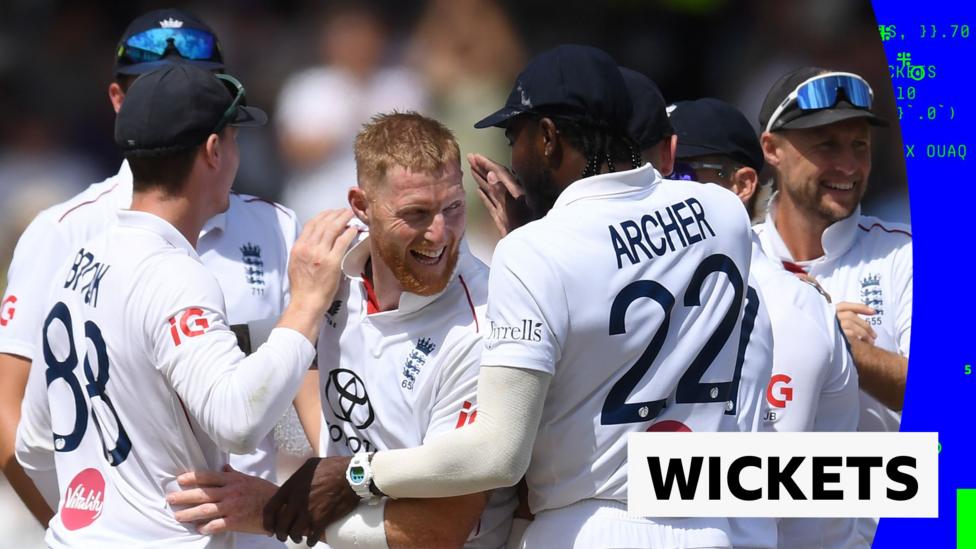
Ten Balls of Carnage: England Seize Trent Bridge
Three wickets in ten balls vaporized New Zealand's momentum, turning a commanding 204-4 into a precarious 206-7 on day four.