Skerries 100 Tragedy: The Real Cost of Road Racing
A fatal crash ends the Skerries 100 and forces motorcycle racing to confront its darkest, most enduring truth.
There is a silence that follows a racing tragedy. It is heavier than the roar of the engines that preceded it, and it hangs over a circuit long after the flags stop waving.
On Sunday, that silence fell over the Skerries 100.
Organisers confirmed what no one associated with the sport ever wants to hear: a fatal accident on the 2.97-mile circuit around the County Dublin village forced the immediate abandonment of the entire race meeting. The news, delivered with the stark brevity that organisations resort to when there are no adequate words, cut short a weekend that had promised so much.
"The Skerries 100 motorcycle road race is abandoned after a fatal accident on Sunday, organisers have confirmed."
It is a sentence we have read too many times before. But familiarity never blunts the impact.
The Unique Brutality of Real Roads
To understand what happened at Skerries, you must first understand the environment in which these athletes operate. Real road racing bears almost no resemblance to the sanitised, meticulously prepared world of Grand Prix motorcycle racing.
There are no air fences positioned with mathematical precision at every corner. There are no vast run-off areas of gravel traps. There is no luxury of time to perfect a setup in controlled conditions over a weekend.
Instead, there are stone walls. Telegraph poles. Hedgerows that hide immovable objects. North of Dublin, the Skerries circuit is a ribbon of public tarmac, lined with the unforgiving infrastructure of rural Irish life.
The rider arrives at speeds exceeding 160 mph, aerodynamically tucked behind a fairing, separated from catastrophe by mere millimetres of leather and a sliver of aluminium.
When a machine malfunctions, or a rider misjudges a braking marker by a fraction of a second, the consequences are absolute.
The Anatomy of a Circuit
- Length: 2.97 miles of closed public roads
- Location: County Dublin, Republic of Ireland
- Top speeds: Often exceeding 160 mph onApproach to fast corners
- Hazards: Stone walls, buildings, road furniture, undulating terrain
- Format: Closed public roads reopened post-event
The riders know this. They sign the entry forms with full knowledge of the mathematics of risk. It does not make the news of a fallen competitor any easier to bear.
The Ripple Effect Through the Paddock
When the red flags wave at a road race meeting, it is not merely a procedural stoppage. It is a signal of something profoundly wrong.
In the paddock, the atmosphere shifts instantly. Wrenches stop turning. Engines fall silent. Mechanics who were once frantically preparing machines for the next race stand motionless, staring at nothing.
The paddock at a road race is a community, not just a workplace. When one falls, the silence that ripples through the transporters and tents is deafening.
Fellow riders gather in quiet huddles, waiting for official confirmation of what they already suspect. The emotional toll is immense, yet these same men and women will often be back on the start line when the next event rolls around.
This is the paradox at the heart of road racing. The community is intensely tight-knit, forged in the shared acceptance of a risk that the wider world finds incomprehensible.
The Financial and Organisational Imperative
Behind the Deal: Funding the Sport
Local road racing in Ireland operates on a financial knife-edge. Events like the Skerries 100 rely heavily on local sponsorship, fundraising dances, and the sheer goodwill of hundreds of volunteers.
The economic model is fragile. When a meeting is abandoned, the financial implications are severe. Organisers face the dual burden of refunding ticket holders and settling logistical costs, all while the entry fees that sustain the sport evaporate.
But there is a deeper structural question that haunts the sport. The £250,000 insurance premium required to close roads and stage an event has been steadily climbing. For Organising Clubs, surviving a tragedy means surviving the financial aftershock that follows.
The cost of racing is not just measured in lives.
The Enduring Question of Acceptable Risk
This is the part of the narrative where the wider sporting world usually chimes in with calls for bans. "It is too dangerous," they say. "It should be stopped."
But within the paddock, such external criticism is often viewed as a misunderstanding of the sport's fundamental ethos.
Road racers are not daredevils with a death wish. They are meticulous professionals who spend months preparing their bodies and their machines. The risk is calculated, managed, and accepted as the price of pursuing a pure form of motorsport.
They race because the challenge of threading a motorcycle between buildings at three-figure speeds offers something no sterile circuit can provide.
It offers authenticity.
The challenge for the sport's governing bodies is to honour that authenticity while preserving life where possible. This means investing in improved medical response times, mandating better protective equipment, and continuously reviewing circuit safety.
It means accepting that zero risk is impossible, while insisting that every possible mitigation is made.
What Happens Next
The immediate aftermath of the Skerries tragedy will involve the standard investigations. The event organisers will compile their reports. The relevant authorities will examine the circumstances of the accident.
But the broader question of what this means for the future of road racing in Ireland remains unresolved.
The next event on the calendar will proceed. Riders will line up. Flags will wave. The silence will be broken once more by the scream of engines.
The sport will go on, because that is what it has always done. But the list of names will have grown longer, the weight of memory a little heavier.
For now, the flags at Skerries are still. The sterile silence of an abandoned circuit speaks louder than any engine ever could.
And somewhere, a family is beginning the long, painful process of grieving for a racer who will never see another chequered flag.
Editorial Integrity
This is an original SportPulse article written by our editorial team. All content is independently researched, written, and reviewed by our writers and editors before publication. We do not publish copied, aggregated, or syndicated content.
SportPulse is committed to original sports journalism. Read our editorial policy or contact us with any questions.
More Like This
All long-reads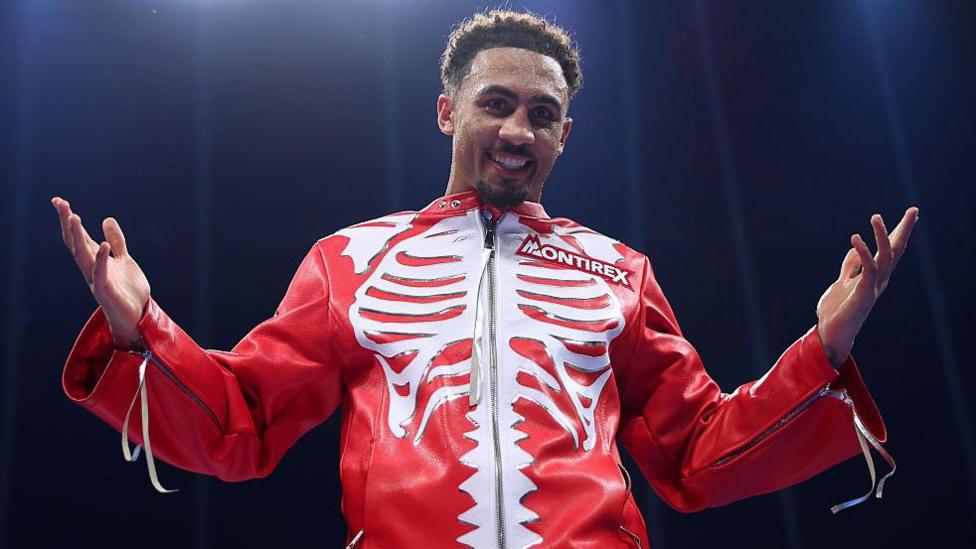
Ben Whittaker's American Dream Is Built on Mayweather Swagger and Sitcom Grit
British light-heavyweight Ben Whittaker is chasing US stardom, drawing inspiration from Floyd Mayweather and Everybody Hates Chris.
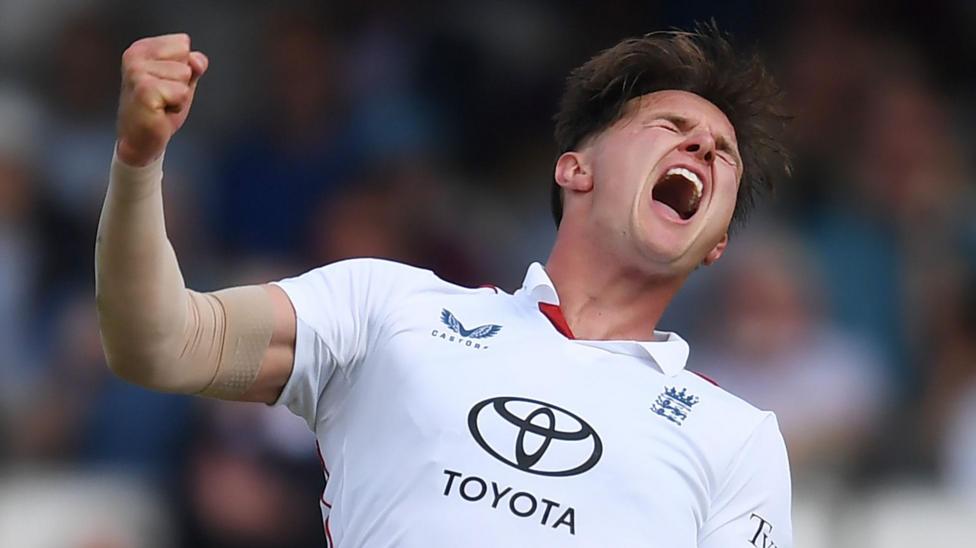
Baker Salvages England Mood After Dark Week
Sonny Baker's composed Test return rescued England morale after a grim week and damning debut memories.
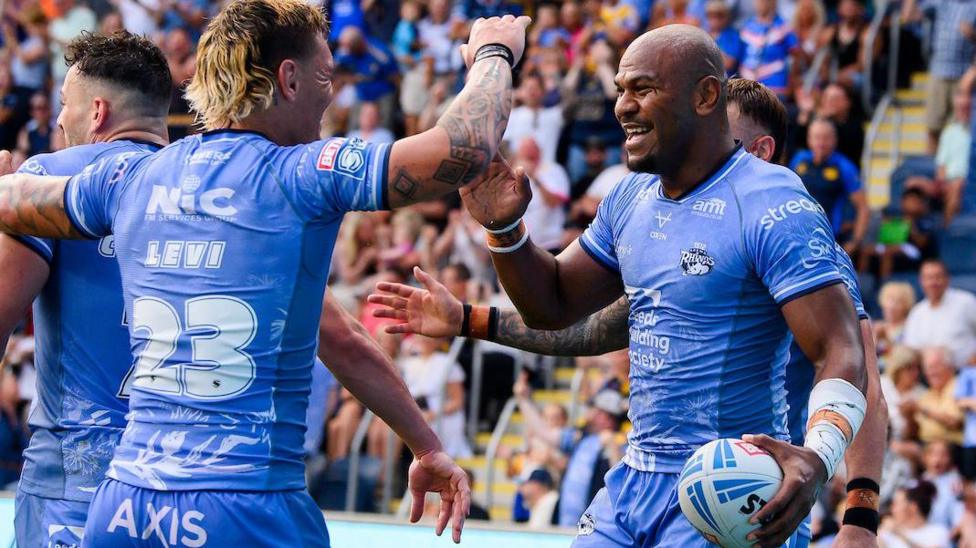
Sivo's Scoring Spree Powers Leeds Past Champions Hull KR
Maika Sivo's brace takes his Super League tally to 27 as Leeds dismantle defending champions Hull KR.