Spa Qualifying Demands Tyre Mastery as Ardennes Weather Strikes Again
A chaotic qualifying session at Spa-Francorchamps exposes the strategic depth teams must navigate for Sunday's Belgian Grand Prix.
Ardennes Microclimate Rewrites the Script
The Spa-Francorchamps circuit has always been a grand theater for Formula 1's most unpredictable weather narratives, and the 2026 Belgian Grand Prix qualifying session reinforced that reputation with surgical precision. As the field rolled out for final practice on Sunday morning, the 7.004-kilometer circuit sat under a thick overcast, track temperatures hovering around a cool 18 degrees Celsius and ambient conditions threatening rain at various sectors of the lap.
Spa's microclimate is unlike any other venue on the calendar. The circuit's geographical position in the Ardennes forest means weather systems can sweep through one sector while leaving another completely dry. Teams must interpret satellite data, radar overlays, and local observations from marshals positioned around the lap. The interplay between the Raidillon complex and the Bus Stop chicane can mean a dry setup in one area and standing water in another. This is the challenge that defines and sometimes decides pole position before the cars even complete a flying lap.
Tyre strategy heading into qualifying was always going to revolve around the split between soft and intermediate compounds. Pirelli brought their most aggressive selection to Spa, and the conditions ensured both ends of that spectrum would see action across the three qualifying segments. The key question for engineers was not whether to switch compounds, but precisely when to do so without losing track position or burning through a set of tyres needed for Q3.
For the teams, the fundamental problem is that Spa's length means the tyre temperature window is almost impossible to maintain consistently. A set of intermediates that comes alive through the middle sector may cool dangerously by the time the car reaches La Source on the next lap. This forces drivers into a constant balancing act between pushing hard enough to generate temperature and managing degradation on a surface that offers inconsistent grip levels. The teams that read this best on Sunday would convert their work into prime grid slots.
The Qualifying Battlefield
The three-part knockout format unfolded under classic Spa pressure. Traffic management at the Bus Stop chicane became the recurring storyline of Q1, with several drivers complaining over radio about being blocked on out-laps. The long drag from La Source to Eau Rouge means a car that loses momentum at the hairpin surrenders up to three-tenths before the uphill section even begins, a deficit that compounds through the fastest sector on the circuit and becomes nearly impossible to recover.
The transition between qualifying segments brought the expected flurry of activity on the pit lane as teams adjusted their plans based on the evolving conditions. Track evolution at Spa is significant even when the weather is stable. The surface rubbered in quickly through the racing line, and drivers who banked an early banker lap before the traffic intensified found themselves in a far more comfortable position as the session approached its conclusion. Those who left it late discovered the painful reality of Spa's narrow margins.
By the time Q3 arrived, the track had reached its optimal grip level. The pole shootout became a question of who could string together a perfectly timed lap with the right tyre compound and the correct fuel load. The final runs were a masterclass in nerve and precision, with drivers knowing that a single lock-up at Les Combes or a poor exit from Pouhon could mean the difference between the front row and the fringes of the top ten.
Strategy Breakdown: The Pit Wall Calculus
The defining strategic variable of the session was compound selection for the final Q3 runs. Teams faced a critical choice: stick with used tyres that had proven pace but carried hidden degradation, or bolt on a fresh set and accept the temperature risk of running them on a track that was still evolving. The decision split the field down the middle and revealed which teams trusted their long-run data from Friday practice.
Those opting for fresh rubber had to commit to a two-preparation-lap strategy, meaning the out-lap performance became critical. A slow out-lap would not generate sufficient core temperature in the front-left tyre, which carries the greatest load through Blanchimont. However, a fast out-lap risked overheating the rears by the time the car reached the timing beam, leading to snap-oversteer through the high-speed sections and a compromised first sector time.
- Core tyre temperature needed to exceed 80°C for optimal grip through Eau Rouge
- Surface temperature could exceed 100°C after a single flying lap
- Degradation rate on used softs was approximately 0.15 seconds per lap in these conditions
The radio traffic told its own story. Engineers Urged their drivers to manage the out-lap carefully, a phrase that essentially translates to preparing the tyres without burning them before the push lap starts. At Spa, this is an art form because the lap is so long that temperature changes can shift dramatically between the first and final sectors. One major team's race engineer was heard telling his driver to stop weaving on the out-lap after the data showed the surface temperature dropping below the optimal window.
Fuel load also played a decisive role. Teams typically send cars out in Q3 with just enough fuel for two push laps, an out-lap, and an in-lap. A problem here means the car returns to the pits with excess fuel weight that compromises the flying lap. At Spa, the cost of excess fuel is amplified by the circuit's long straights and high-speed corners, where every additional 10 kilograms adds roughly 0.35 seconds to a lap time.
DRS and Downforce Configuration
Spa presents a unique aerodynamic challenge because of its blend of extremely long flat-out sections and demanding high-speed corners. Teams typically run medium-to-low downforce configurations to maximise speed on the Kemmel Straight and the run down to Bus Stop. This reduces drag but compromises the car's stability through Pouhon and Fagnes, where lateral grip is essential for maintaining momentum.
The DRS zones at Spa are positioned to maximise overtaking potential into Les Combes and the Bus Stop chicane. The activation point on the main straight allows drivers to close up 0.7 seconds by the braking zone at La Source, making the run into the first corner the primary passing opportunity. The second DRS zone, running from Eau Rouge down to Les Combes, is where the most dramatic moves happen when a car can carry speed through the legendary uphill complex and deploy the wing on the straight that follows.
In qualifying, DRS use is unrestricted and drivers deploy it everywhere the regulations allow. The lap time gain from three DRS zones at Spa is worth approximately 0.6 seconds when qualified properly, a substantial margin in a session where hundredths separate positions. The trade-off is that low downforce settings make the car more difficult to control in gusty conditions, and the Ardennes wind is nothing if not unpredictable.
Tyre Temperature and the Front-Left Challenge
The front-left tyre is the limiting factor at Spa. The long right-handers of Pouhon and Blanchimont put sustained energy through that corner of the car, and if the temperature drops below the optimal window, the front end washes out and the driver loses time. This is the precise reason why some teams sent their drivers out on a two-lap run in Q3, using the first lap as an extended preparation phase and aiming for the second lap to be the banker.
The problem with this approach is that it leaves the driver exposed to traffic and weather changes. If a slower car appears in the closing stages or rain begins to fall in sector two, the banker lap becomes the only representative time on the board. Teams must weigh this risk against the benefit of a properly prepared set of tyres, and at Spa, where conditions can change in minutes, the decision is a genuine gamble.
Sunday's Race Outlook
Looking ahead to Sunday's race, the qualifying results set up a fascinating strategic battle. The tyre compounds available for the grand prix will force teams into a choice between aggressive early stops and patient long-stint management. The soft tyre offers pace but degrades quickly through the high-energy sections of the lap. The medium provides a better balance for race conditions but may not offer sufficient performance advantage to justify the stop. The grid is set and the talking points are already circling around the pit lane.
Championship Implications
Beyond the tactical considerations, the Belgian Grand Prix qualifying session carries significant weight in the constructors' and drivers' championship battles. Spa is traditionally a race where the strongest teams flex their advantage, and a strong qualifying position here can translate into a comfortable race day if the weather remains stable. The points swing available in the midfield is substantial, with positions in the championship table potentially shifting based on Sunday's result.
For the drivers, the psychological boost of a strong qualifying lap at Spa cannot be overstated. This is a circuit that rewards commitment and punishes hesitation. A driver who conquers Eau Rouge flat out in qualifying carries that confidence into every subsequent session and the race itself. The grid positions secured here will frame the strategic narrative for Sunday and potentially shape the momentum of the season's second half.
The Ardennes has once again delivered its signature blend of beauty and brutality. Now the teams must convert their qualifying work into race results on a circuit that rarely rewards those who arrive without a plan for every contingency.
Editorial Integrity
This is an original SportPulse article written by our editorial team. All content is independently researched, written, and reviewed by our writers and editors before publication. We do not publish copied, aggregated, or syndicated content.
SportPulse is committed to original sports journalism. Read our editorial policy or contact us with any questions.
More Like This
All f1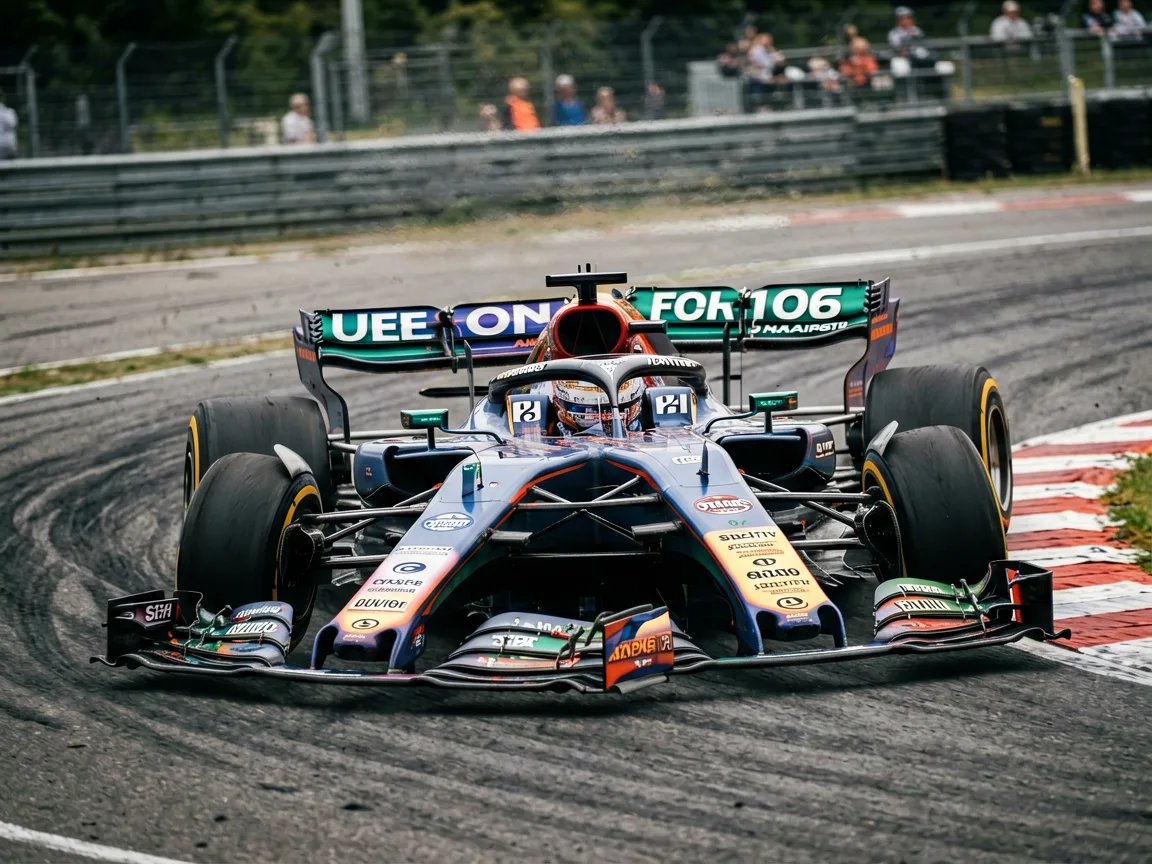
Spa 2026: Why Active Aero Turns the Belgian GP Into a Setup Chess Match
F1's 2026 active aerodynamics regulations transform Spa-Francorchamps into the ultimate low-drag, high-corner-speed technical puzzle.
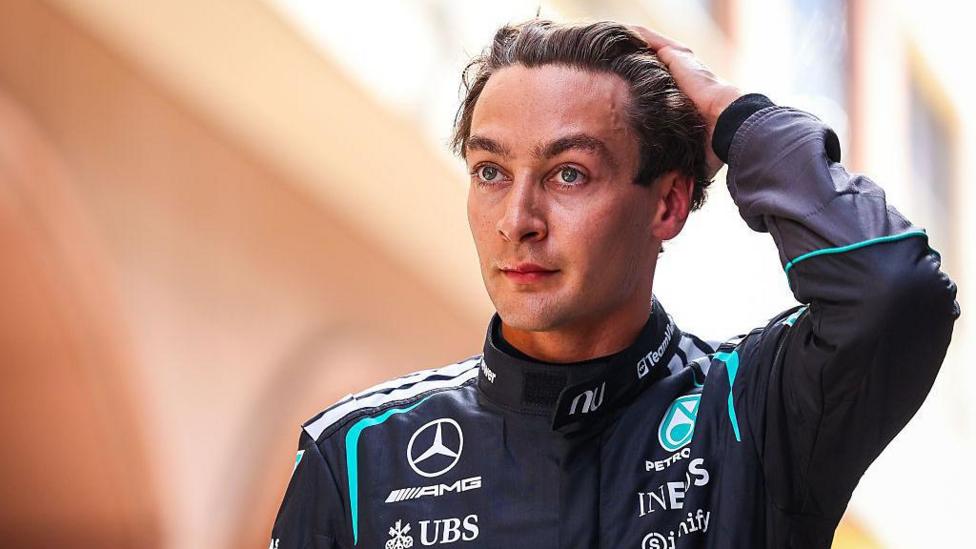
Russell's Monaco Setup Mystery Exposes Mercedes W15 Flaws
George Russell's Monaco mind games backfired as a stubborn Mercedes W15 setup mystery left him scratching his head on the Riviera.

Silly Season Ignites: Verstappen, McLaren, and the F1 Dominoes Falling Fast
F1's driver market is on fire at the Red Bull Ring — Verstappen to McLaren is the rumor that won't die.