Sixteen Titles in Five Years: How Spain Conquered World Football
Spain's simultaneous men's and women's World Cup reigns cap an unprecedented run of sixteen major titles in just five years.
The Unprecedented Double
Spain stands alone at the summit of global football. They are the first nation to hold the men's and women's World Cup titles simultaneously. It is an achievement that defies historical precedent and resets the global hierarchy.
This dual reign is not a coincidence. It is the culmination of a systematic overhaul that began over a decade ago. The results are staggering in their consistency.
Across men's and women's football, youth and senior levels, Spain has collected sixteen major titles in just five years. No other nation has come close to matching that volume of silverware in the modern era.
Anatomy of a Dynasty
The numbers tell a story of total domination. Since 2018, Spanish football has swept through tournaments with a relentlessness that borders on the mundane. The trophy cabinet overflows.
The senior men's side claimed the 2023 FIFA World Cup and the UEFA Nations League in the same summer. Before that, they captured the 2021 European Under-21 Championship and the 2019 UEFA European Championship at youth level, along with successive Under-19 and Under-17 continental crowns.
The women's program mirrors that trajectory with even more force. Spain's senior women lifted their first World Cup trophy, a breakthrough that validated years of structural investment. Add the U-20 Women's World Cup title, multiple U-19 European Championships, and a steady stream of domestic dominance by Barcelona Femení, and the scale of the project becomes clear.
In total, across all tiers and both genders, Spain has amassed sixteen trophies since 2018. That figure includes World Cups, European Championships, Nations League titles, and youth continental crowns. It is a breadth of success unmatched by any federation on the planet.
The Infrastructure Beneath the Trophies
Trophies are the visible output. The invisible engine is an infrastructure that prioritizes technical mastery from the earliest ages. Spain's federation made a deliberate bet on identity over pragmatism.
Central to this is the talent identification network that feeds the national pipeline. Young players are scouted not on physical attributes but on technical intelligence and decision-making speed. The profile is specific, and deviations from it are rare.
The training methodology is uniform from the youngest academies through to the senior teams. This uniformity erases the transition gap for players graduating to the next level. A 16-year-old joining Spain's youth setup encounters the same possession-based tactical language they will see at senior level.
Coaches are developed with the same rigor as players. The federation's coaching education program ensures that even at the grassroots level, instructors understand the tactical framework. This creates a self-sustaining pipeline of tactical coherence.
Crucially, the federation has managed to align club and country interests with unprecedented success. La Liga's technical standards and Barcelona's commitment to possession football have historically provided the philosophical foundation. Now, clubs across Spain, both men's and women's, have aligned their development philosophies with the national team's vision.
The Coaching Cohesion
The federation's commitment to coaching continuity is central to understanding the dynasty. Rather than hiring external names for short-term fixes, Spain has promoted from within. This ensures that the tactical identity remains intact across generations.
In the men's setup, Luis de la Fuente exemplifies this approach. He progressed through the youth ranks, winning the 2023 Nations League and guiding the senior team to World Cup glory. He understood the system because he helped build it.
The women's program has similarly benefited from internal promotion and tactical alignment. The coaching staff at senior and youth levels share the same tactical vocabulary, ensuring that players transition smoothly between tiers without disruption to their development.
"We don't coach players to fit a system. We coach them to understand the game so deeply that the system becomes their instinct. That takes years, not weeks."
The Barcelona Effect
No discussion of Spanish football dominance is complete without acknowledging the outsized role of FC Barcelona. The club's La Masia academy has been the single most productive talent factory in the global game.
On the men's side, the core of Spain's World Cup-winning squad was built around Barcelona-trained players. Gavi, Pedri, and Lamine Yamal represent the latest wave of graduates steeped in the possession-and-press ideology that traces back to Johan Cruyff and was perfected under Pep Guardiola.
On the women's side, Barcelona's dominance is even more pronounced. Barcelona Femení has won multiple Copa de la Reina titles, UEFA Women's Champions League crowns, and provided the spine of Spain's World Cup-winning squad. The tactical blueprint that Spain's women execute at international level is virtually identical to what Barcelona's women deploy domestically.
This Barcelona-centric pipeline creates a built-in advantage. Players arriving at national team camps already share deep tactical familiarity. They have trained together, competed together, and internalized the same passing patterns for years before pulling on the national shirt.
The Competitive Ecosystem
Spain's domestic leagues provide another critical advantage. The Liga F has elevated the women's club game, while La Liga remains one of the most technically demanding leagues in the men's game.
In Liga F, clubs like Levante, Athletic Club, and Atlético Madrid have raised their standards to challenge Barcelona's dominance. This competitive push ensures that Spain's international players face genuine weekly tests, sharpening their edge for tournament football.
On the men's side, Real Madrid, Atlético Madrid, and Athletic Club continue to produce elite talent that supplements the Barcelona core. The diversity of tactical approaches within La Liga, from Carlo Ancelotti's pragmatic Champions League winners to Real Sociedad's position-play specialists, gives Spanish players a broader tactical education than any single system could provide.
The Mental Edge
There is a psychological dimension to Spain's dominance that statistics cannot fully capture. Once a nation begins winning consistently, it accumulates something more valuable than tactics. It builds an aura.
Opponents now approach Spain with a built-in reverence, sometimes bordering on deference. Spanish players, conversely, step onto the pitch with the quiet confidence of a group that expects to win. This self-reinforcing cycle was on full display during the men's World Cup knockout stage, where Spain dispatched higher-ranked opponents with a composure that suggested inevitability.
"When you wear this shirt, you feel the weight of everyone who came before you. But you also feel their belief. We don't hope to win. We expect to."
Lessons for the Rest of the World
Spain's model is not easily replicable, but it offers clear lessons for federations seeking similar success.
First, identity matters more than results at youth level. Spain prioritized playing style over tournament victories for its youngest teams. The trophies followed as a natural byproduct, not as a primary objective.
Second, coaching continuity is essential. The constant churn of managers that plagues many national teams disrupts long-term planning. Spain's internal promotion model ensures that each successive coach inherits a system they understand intimately.
Third, alignment between federation and clubs reduces friction. Spain's clubs are not adversaries of the national team. They are partners in the development pipeline, sharing tactical philosophies and player development goals.
What It Means
Spain's sixteen titles in five years is not a golden generation. It is the output of a system designed for permanent excellence.
The simultaneous possession of the men's and women's World Cup trophies is the crowning achievement of that system. But it is unlikely to be the last.
With Yamal still only seventeen, with Barcelona's academy pipeline showing no signs of slowing, and with the women's program still ascending, Spain's grip on global football will not loosen soon. The rest of the world has a five-year deficit to close. The clock is ticking.
Editorial Integrity
This is an original SportPulse article written by our editorial team. All content is independently researched, written, and reviewed by our writers and editors before publication. We do not publish copied, aggregated, or syndicated content.
SportPulse is committed to original sports journalism. Read our editorial policy or contact us with any questions.
More Like This
All football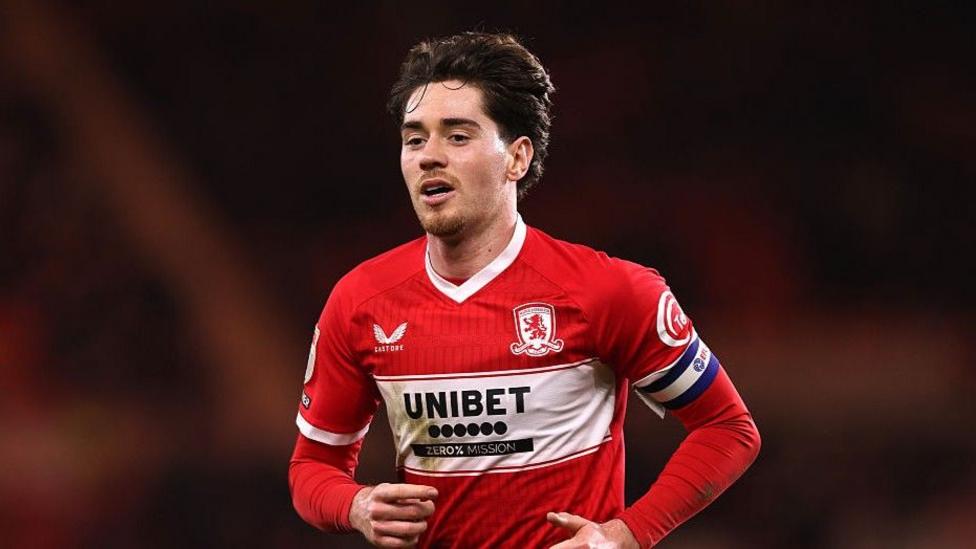
Everton Close In On Hackney — A Midfield Blueprint Emerges
Everton's move for Hayden Hackney signals a tactical evolution in their midfield build-up play under Dyche.
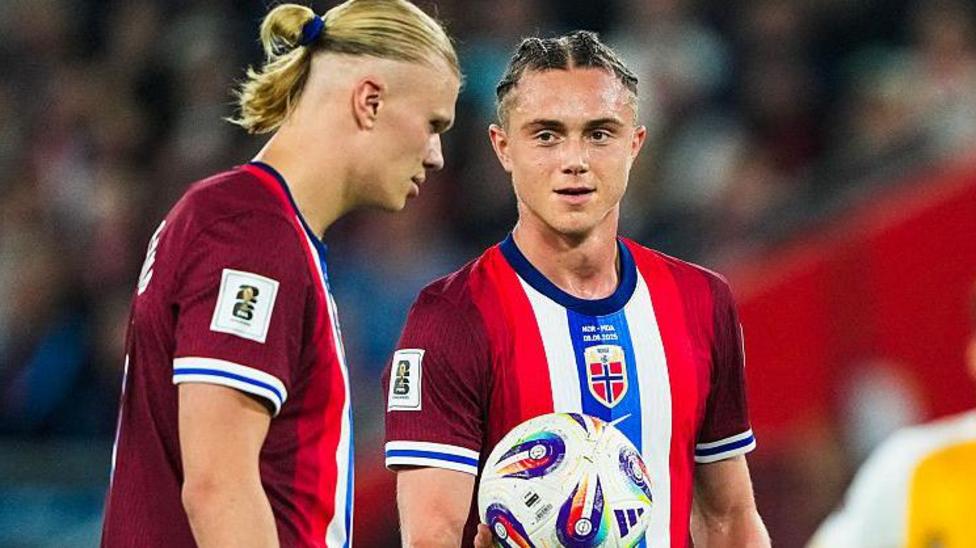
The Cellist's Son Rejected by Liverpool Now Conducts His Own Orchestra
Rejected by his boyhood club at 14, Norway's Thelo Aasgaard channeled heartbreak into a midfield masterpiece nobody saw coming.
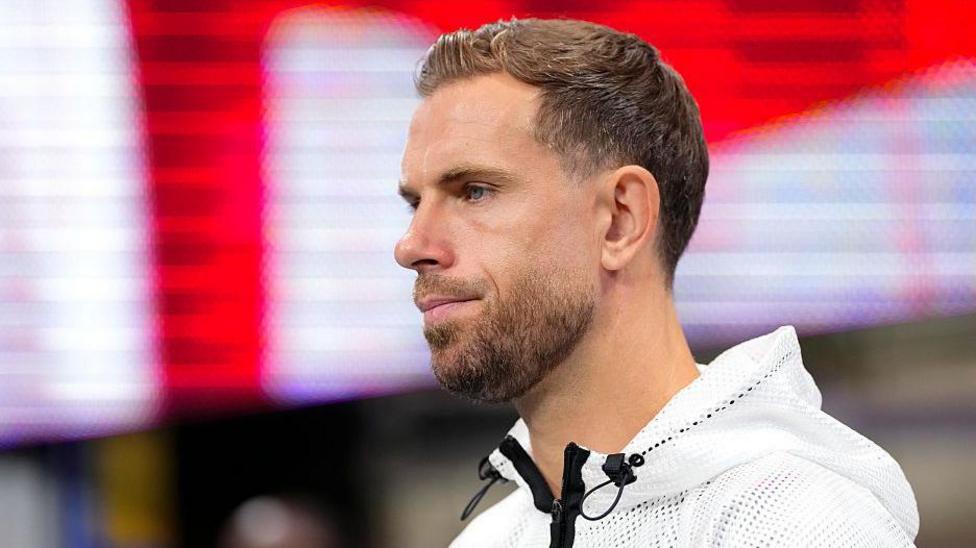
Henderson Suffers Wrist Injury in England World Cup Celebration
Jordan Henderson's World Cup glory turned sour after a wild celebration left him with a serious wrist injury, coach Thomas Tuchel confirmed.