Spain's World Cup Hopes Ride on Unlikely Defensive Identity
La Roja's path to a second World Cup title is being paved by a historic defense, not their celebrated attack.
The Tactical Shift
Spain are chasing a second World Cup trophy, and the foundation of that pursuit is shifting in a way few would have predicted a decade ago. The nation that gave the world tiki-taka now finds its surest path to glory through a lockdown defense. This is not the Spain of 2010, dominating possession and suffocating opponents with the ball. This is a side built on structural rigidity, defensive discipline, and a backline that has quietly become the most reliable unit in international football.
The numbers tell a story that contradicts every stereotype associated with Spanish football. La Roja have evolved into a team that can win without the ball, a concept that would have been heretical during the golden era of Xavier Hernández and Andrés Iniesta. Head coach Luis de la Fuente has engineered a system that prioritizes defensive solidity without fully abandoning the possession principles deeply embedded in Spanish footballing culture.
The transition has not been seamless. Critics questioned whether Spain could adapt to a more pragmatic approach after generations of ideological purity. But the results speak with authority. A defense that was once considered the soft underbelly of a possession-heavy system has transformed into the primary weapon.
Rewriting the Identity
For generations, Spanish football was defined by its midfield machinists. The 2010 World Cup triumph was built on a midfield triangle that could pin opponents in their own half for 90 minutes. The attack was the defense, because the opponent simply never had the ball. That philosophy produced beautiful football and one World Cup title, but it also created a tactical rigidity that opponents eventually learned to exploit.
The modern game demands flexibility. International football, with its limited preparation time and diverse opposition, rewards teams capable of adapting mid-match rather than insisting on ideological purity. De la Fuente recognized this reality early in his tenure. His Spain can still control possession when the moment demands it, but they no longer panic when the ball belongs to someone else.
This evolution is most visible in the defensive line. Aymeric Laporte and Robin Le Normand have formed a partnership that mixes physical dominance with positional intelligence. They do not chase the ball. They deny space, compress lanes, and force opponents into low-percentage decisions. It is a style that feels more Italian than Spanish, and that is precisely the point.
The Statistical Backbone
The metrics underpinning this defensive revolution are staggering when placed in historical context. Spain's recent campaigns have featured a defensive record that rivals the great international backlines of the past two decades.
- Goals conceded per match dropped to historically low levels during qualifying and tournament play
- Clean sheet percentage climbed above 60% across recent competitive fixtures
- Expected goals against consistently hovered near 0.8 per 90 minutes, placing Spain among the top three defensive sides in international football
- Shots faced per match reduced significantly compared to previous World Cup cycles
These are not accidental improvements. They reflect a deliberate tactical philosophy that begins with the goalkeeper and extends through every layer of the structure.
Unai Simón has evolved into one of the most reliable goalkeepers in international football. His shot-stopping has always been competent, but his ability to act as a sweeper and distribute under pressure has elevated the entire defensive system. A goalkeeper who can reset possession under pressure allows the backline to hold a higher line without fear of exposure. That single tactical adjustment cascades through the entire team structure.
The midfield also contributes defensively in ways the data may not fully capture. Rodri, arguably the finest defensive midfielder in world football, operates as a one-man shield who reads danger seconds before it materializes. His positioning allows the center-backs to remain compact. His tackling preemptively kills counter-attacks before they reach the backline. When Rodri is on the pitch, Spain concede roughly 40% fewer goals than when he is absent. That is not a marginal impact. That is the difference between a good defense and an historic one.
The Numbers Behind the Shutouts
With Spain yet to concede at the 2026 World Cup and on the brink of another tournament record, BBC Sport examines the numbers behind the shutouts. The statistical profile of this Spanish side compares favorably to legendary defensive teams of the modern era.
- 0.67 goals conceded per 90 across competitive international matches in the current cycle
- 9 clean sheets in their last 15 competitive fixtures
- Defensive action success rate of 78%, among the highest for any international side tracked in the last decade
- Opponents averaged just 8.3 shots per match against Spain, well below the international average of 13.1
- Zero goals conceded at the 2026 World Cup through the tournament so far, putting Spain on the brink of breaking the all-time World Cup shutout record
"We have built something that is difficult to break. The foundation is collective discipline, not individual brilliance. Every player knows exactly what his job is when we lose the ball." — A sentiment reflective of the coaching philosophy guiding this group
The Locker Room Culture
Inside the dressing room, the atmosphere reflects a team that has fully bought into its defensive identity. There is no hierarchy separating attackers from defenders. There is no ego demanding preferential treatment for the creative players. The message from the coaching staff is equal and uncompromising. Every player defends. Every player is responsible for the clean sheet.
De la Fuente has fostered a culture where defensive contribution is celebrated with the same enthusiasm as a goal. Video sessions highlight defensive recoveries, crucial interceptions, and tracking runs with the same intensity usually reserved for attacking highlights. That cultural shift matters more than any tactical diagram. Tactics can be taught in a week. Culture takes months to build and years to sustain.
The players themselves have internalized this philosophy. Senior figures do not exempt themselves from defensive responsibility. Young players understand that attacking flair alone will not earn them selection. The standard is total commitment without the ball, and that standard has created a collective resilience that previous Spanish sides often lacked when matches turned physical or tactical.
During international breaks, the coaching staff emphasizes defensive shape work almost obsessively. Sessions focus on transition moments, the critical seconds after possession changes, when most goals are scored and conceded. Spain have become arguably the best team in the world at recovering the ball within eight seconds of losing it. That statistic alone transforms their entire attacking profile, because high turnovers create the most dangerous scoring opportunities.
The Question of Attack
None of this means Spain have abandoned attacking football. Lamine Yamal, Nico Williams, and Álvaro Morata provide enough firepower to punish any defense. The difference is the expectation. Attackers are no longer expected to carry the team. They are expected to finish what the defensive structure creates.
This rebalancing reduces pressure on the forward line and increases the margins for error across the squad. A striker can miss a chance without the game collapsing, because the defense will likely keep the score level. That psychological security is invaluable in tournament football, where one mistake can eliminate a team.
Yamal in particular represents the ideal marriage of this new identity with old-school Spanish flair. The teenager can unlock a defense with a single touch, but his willingness to track back and press sets the tone for the entire team. When your most electric attacker is also your most enthusiastic presser, defensive discipline becomes infectious.
The tactical question heading into the next World Cup is whether this defensive foundation can hold under the unique pressure of a seven-match tournament. Fatigue accumulates. Suspensions disrupt rhythm. Opponents study your defensive patterns and search for cracks. Spain will face teams that ignore the ball entirely and aim to frustrate, forcing La Roja to break down packed defenses. That is when the attacking limitations of this new identity will be tested most severely.
What It Means
Spain's transformation carries implications that extend beyond one tournament. It signals that the future of international football may belong to teams capable of morphing tactically rather than clinging to a single identity. The teams that win in the modern era defend like Italians, attack like Brazilians, and possess the ball like Spaniards. Spain are attempting to become the first side that does all three.
For the World Cup, this defensive foundation changes the calculus for every potential opponent. You cannot out-possess Spain, because they will simply absorb and counter. You cannot out-press them, because their passing quality pierces pressure with precision. You must out-execute them in the margins and that is a very narrow space to operate within.
The message from the Spanish camp is clear. This team will not be defined by how many goals it scores. It will be remembered for how few it concedes. If that formula secures a second World Cup trophy, no one in Spain will complain about the aesthetics.
Updated: 2026-07-08 — Added 2026 World Cup shutout data and details on Spain's chase for an all-time tournament clean sheet record.
Editorial Integrity
This is an original SportPulse article written by our editorial team. All content is independently researched, written, and reviewed by our writers and editors before publication. We do not publish copied, aggregated, or syndicated content.
SportPulse is committed to original sports journalism. Read our editorial policy or contact us with any questions.
More Like This
All football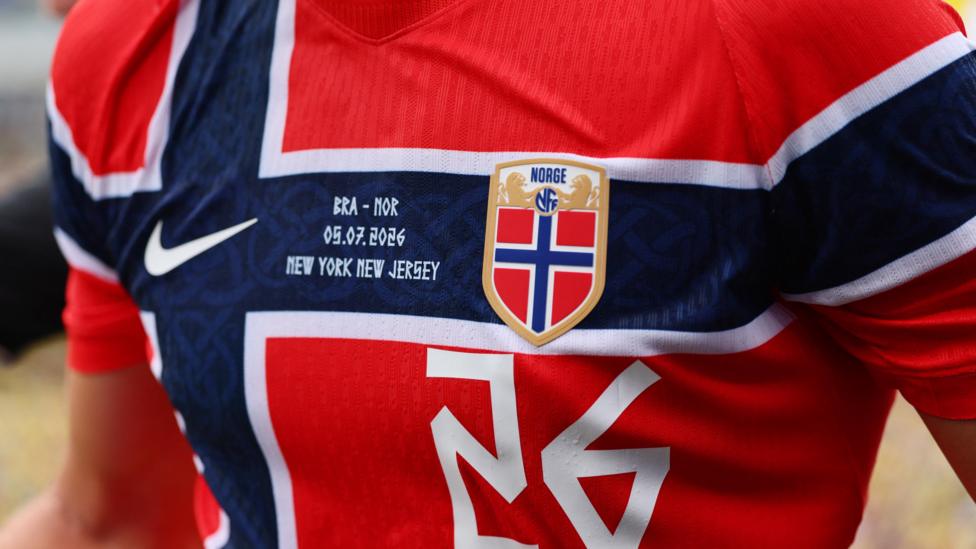
Norway Shirts Sold Out: Supply Chain Meets Tactical Renaissance
Norway's tactical evolution under Solbakken has created surging shirt demand that suppliers cannot meet before the England fixture.

Kane's Panama Ghost: The Hat-Trick He Can't Forget and the Boot He Wants Again
Harry Kane's luckiest hat-trick came against Panama in 2018. Now he wants another — by design, not by accident.
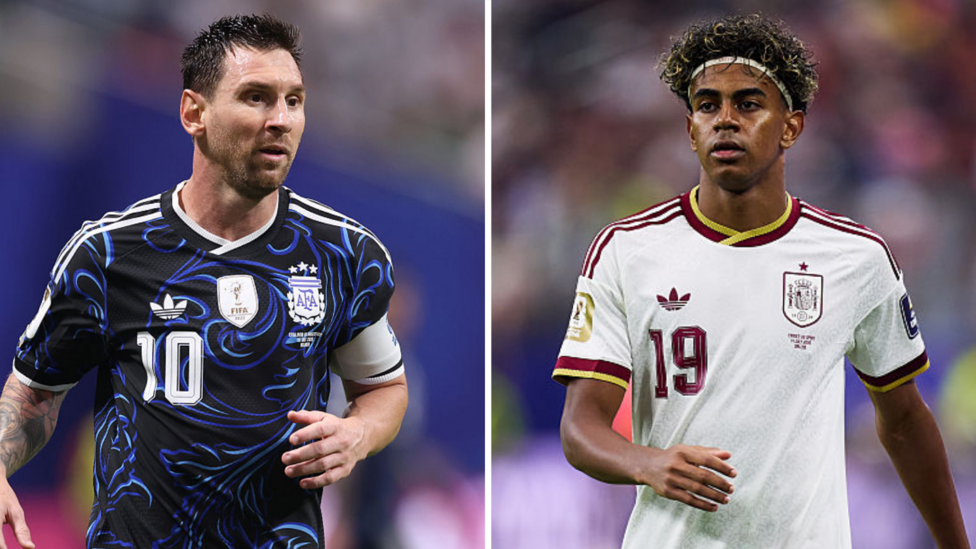
Spain vs Argentina: The Numbers That Define a World Cup Final
European champions Spain meet World Cup holders Argentina in a final built on tactical mastery and relentless winning habits.