From New Deal to Sudden Exit: The Unraveling of Clarke's Scotland Era
Steve Clarke signed an extension, talked of a new chapter, then walked away. What happened?
A month ago, Steve Clarke was planning Scotland's future. Now he's no longer part of it.
The timeline of Clarke's final weeks in charge of the national team reads like a screenplay nobody commissioned. A contract extension. Lofty talk of a new cycle. A World Cup qualifying campaign on the horizon. Then, abruptly, the door closed. The man who dragged Scotland back to major tournament relevance after 23 years in the wilderness decided he'd had enough.
This is not how it was supposed to end.
The Contract That Wasn't a Contract
When Clarke put pen to paper on a new deal following Euro 2024, the Scottish FA framed it as a vote of confidence. The message was clear: the manager who delivered back-to-back European Championships had earned the right to lead the country into the 2026 World Cup qualifying cycle.
On paper, it made sense. Clarke had accumulated more competitive wins than any Scotland manager in the modern era. He'd turned a squad of journeymen and hopefuls into a side capable of going toe-to-toe with established European nations. Hampden Park had atmosphere again. The Tartan Army believed.
But belief, as Scotland supporters know better than anyone, is a fragile commodity.
"We've got the foundation. Now it's about pushing on to the next level."
— Clarke, speaking after the contract extension was announced
Within weeks, those words would feel like they belonged to someone else's story.
Euro 2024: The Cracks Beneath the Surface
To understand the exit, you have to understand what came before it. Germany. Opening night. A 5-1 humiliation that ripped the optimism apart in front of a global audience.
Scotland arrived in Munich believing this tournament would be different from Euro 2020, where they'd exited at the group stage without winning a match. Instead, it was worse. Far worse.
The hosts dismantled Clarke's side with surgical precision. Florian Wirtz and Jamal Musiala ran riot. The defensive structure that had been Clarke's calling card, the organized back line that frustrated better-resourced opponents for half a decade, looked ancient. Exposed. Outdated.
A 1-1 draw with Switzerland offered temporary respite. Scott McTominay's deflected effort earned a point, and suddenly there was a path through the group. One result against Hungary. One moment.
It never came. A 1-0 defeat in Stuttgart sealed Scotland's fate. Three group games. One point scored. Eight goals conceded. The worst performance by a Scottish side at a major tournament in living memory.
The numbers told a damning story:
- 0 wins across both European Championship campaigns under Clarke
- 8 goals conceded in 3 matches at Euro 2024
- 35% average possession in the group stage
- Just 4 shots on target across the entire tournament
The Interregnum Nobody Noticed
Here's where the timeline gets strange.
After the tournament, Clarke signed his extension. Publicly, the Scottish FA backed their man. The narrative shifted quickly toward the World Cup qualifiers, toward rebuilding, toward the idea that Euro 2024 was a painful but necessary lesson.
Behind closed doors, though, the mood was different. Sources close to the setup described a manager who returned from Germany looking spent, not re-energized. The emotional toll of the tournament, the criticism, the feeling that he'd taken this group as far as it could go, all of it weighed heavily.
Clarke had always been a coach who thrived on structure and incremental improvement. He'd built Scotland's identity around defensive discipline, set-piece threat, and an unshakeable collective spirit. But football doesn't stand still. The game's tactical evolution had begun to outpace the tools at his disposal.
23 years without a major tournament. Clarke ended that drought. But qualifying for tournaments and competing in them are two entirely different conversations.
Behind the Decision
What Drove the Exit?
The details of Clarke's departure remain deliberately opaque. Neither the Scottish FA nor Clarke himself have offered a granular public explanation, which only fuels speculation.
What we do know paints a picture of a man who recognized his own limits. Clarke is a meticulous coach, a grinder who built his reputation at Kilmarnock through sheer force of tactical discipline before inheriting the national team. He is not a man who does things impulsively.
The contract extension, then, wasn't a lie. It was a commitment made in good faith. But the distance between signing a deal and honoring it can grow quickly when the emotional landscape shifts.
Several factors likely contributed:
-
The Euro 2024 fallout created a toxic feedback loop. Clarke was publicly backed but privately questioned by elements within the SFA hierarchy.
-
Player fatigue with his methods had become harder to ignore. Senior figures in the dressing room, while respectful, were understood to be ready for a different voice.
-
The World Cup qualifying draw offered no easy path. Scotland were unlikely to be top seeds, meaning another grueling campaign against superior opposition.
-
Personal toll. Five years of managing a national team with limited resources, constant scrutiny, and the weight of historic expectation is exhausting for anyone.
"Sometimes the hardest thing in football is knowing when your chapter is finished, even when the book isn't."
— Former Scotland international, speaking on BBC Scotland
The Legacy Question
Clarke leaves Scotland in a complicated place. His achievements are undeniable. Two European Championships. A Nations League promotion. A generation of Scottish fans who got to experience tournament football for the first time in their lives.
But the final image is Munich. It's 5-1. It's a team that looked tactically frozen on the biggest stage.
History will likely be kinder to Clarke than the immediate aftermath suggests. Managers who break long droughts tend to be remembered for the breakthrough rather than the final stumble. Just ask the generations of Scottish fans who never thought they'd see their country at a major tournament again.
The numbers frame the full picture:
- Approximately 60 matches in charge
- Two major tournament qualifications (first since 1998)
- Nations League Group B1 winners in 2022-23
- A win percentage hovering around 40% in competitive fixtures
What Comes Next
The Scottish FA now faces its most consequential managerial search in a generation. This is not a caretaker appointment. Whoever takes over inherits a squad with genuine tournament experience, a core of players performing at top-level clubs, and a fanbase that has tasted what's possible.
Names will be linked. Scot Gemmill, currently managing the U21s, represents internal continuity. Overseas candidates will be floated. The SFA could look at the model that worked for other smaller nations, a progressive coach with a modern tactical framework.
The timing matters. World Cup qualifying begins soon, and Scotland cannot afford a prolonged search. The squad needs clarity, identity, and above all, a reason to believe that Euro 2024 was an aberration rather than a ceiling.
Clarke built the platform. He didn't finish the building. Whether that's a criticism or a compliment depends entirely on where you sat in Hampden Park during those electric nights when Scotland finally, mercifully, belonged on the big stage again.
One month. A new deal. A new beginning. A sudden exit.
Football rarely gives you the ending you planned.
Editorial Integrity
This is an original SportPulse article written by our editorial team. All content is independently researched, written, and reviewed by our writers and editors before publication. We do not publish copied, aggregated, or syndicated content.
SportPulse is committed to original sports journalism. Read our editorial policy or contact us with any questions.
More Like This
All football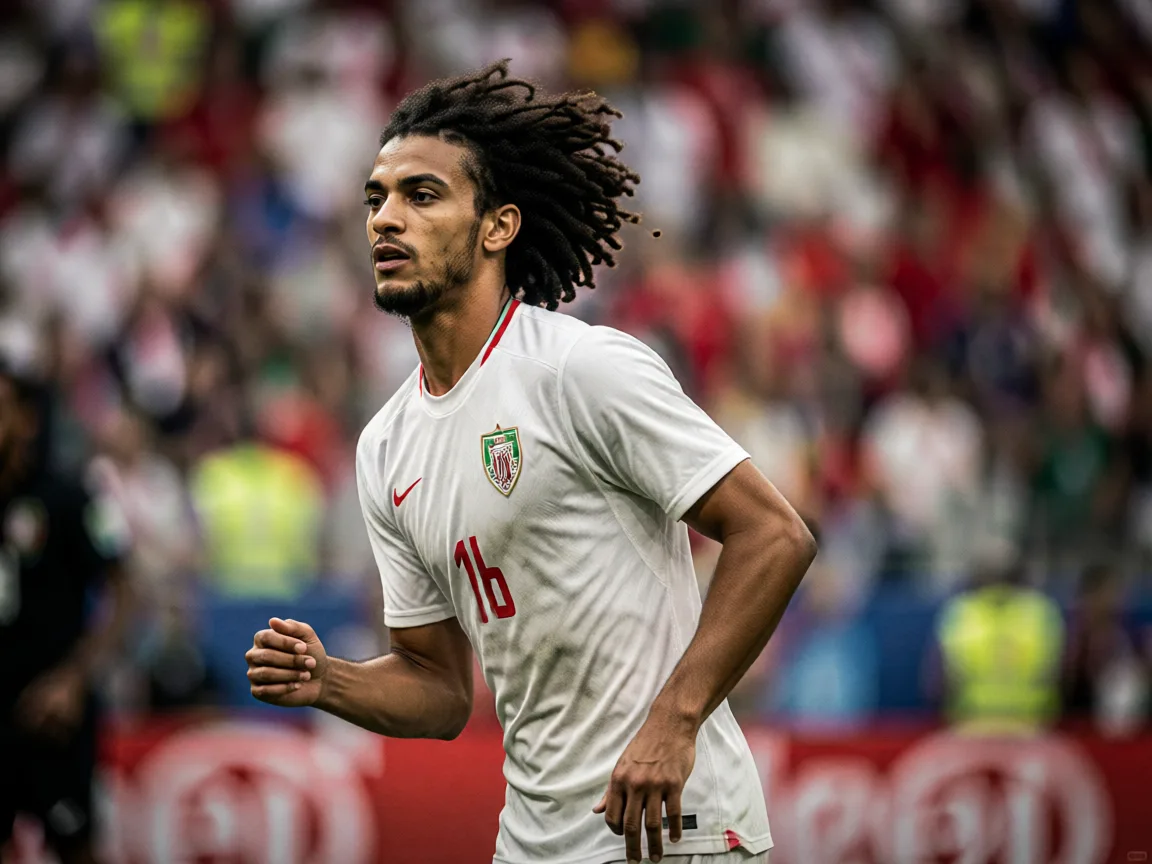
France's Talent Drain Defines Morocco's World Cup Quarter-Final
Six France-born players could line up for Morocco against France, exposing the systemic flaws in French talent retention.
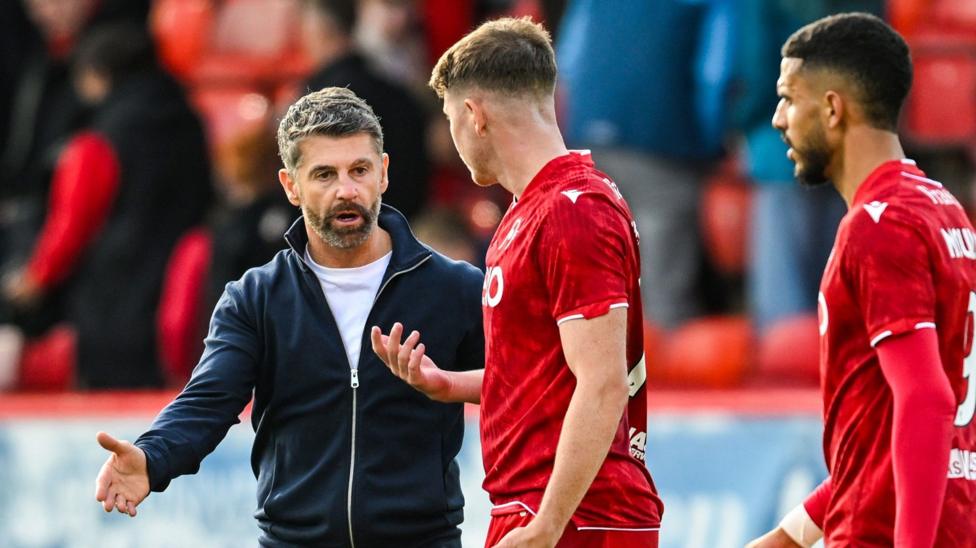
Robinson questions League Cup groups as momentum builders
Aberdeen's manager sees flaws in the Premier Sports Cup group stage format, but the early competition has hidden value for some clubs.
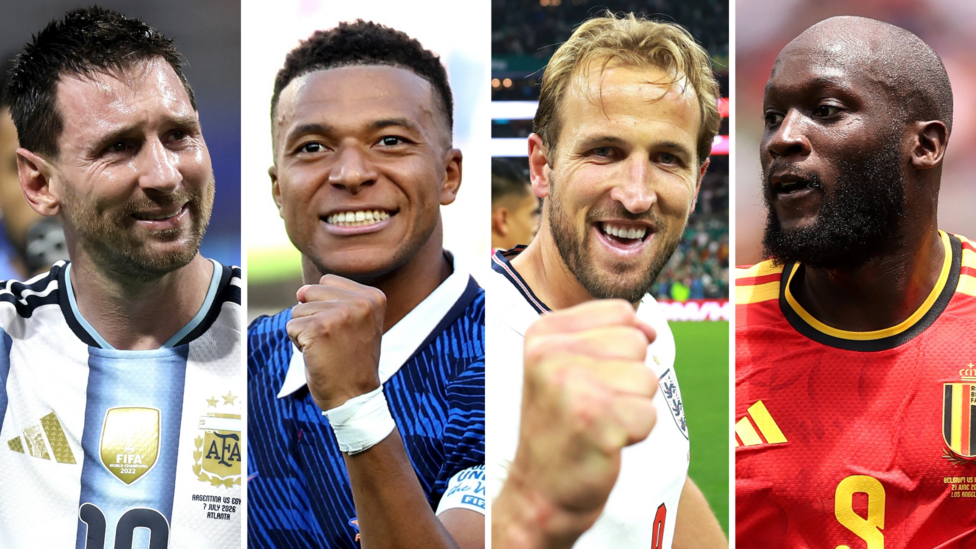
Striker Duels and Qatar Revenge: Quarter-Final Fire Awaits
Four World Cup quarter-finals promise striker duels, tactical warfare, and redemption arcs forged in the heat of Qatar.