Beaumont Walks Away: England Cricket Loses a Pillar
Tammy Beaumont's retirement reveals a deeper truth about the fire elite athletes need to survive international cricket's relentless grind.
The Fire Goes Out
Tammy Beaumont always played cricket like every run was a personal declaration. Fierce, focused, and famously difficult to dislodge.
So when she says the flame has simply gone out, the weight of those words lands differently.
This is not a athlete hedging. This is a World Cup winner admitting that the cost of clawing her way back into an England side in full transformation had finally exceeded what she was willing to pay.
"I've lost the fire to regain spot in new-look England side."
That single sentence does more than confirm a retirement. It rips open the door on the psychological machinery that powers elite international sport. The relentless cycles. The constant physical and emotional taxation. The cold calculus of deciding when enough is truly enough.
Beaumont could have stayed. She could have fought for a place, lent her vast experience to the dressing room, accepted a support role. She chose honesty instead.
And that choice says everything about the cricketer and the person she has been for the best part of a decade.
A Career Written in Defiance
It is easy to forget how unlikely Beaumont's path to the top of the women's game once seemed.
She was not a prodigy anointed for greatness from her teenage years. She was a player who had to remodel her game entirely, fundamentally changing her wicketkeeping ambitions and reshaping her batting technique to force her way into an England set-up that had no obvious space for her.
That reformation became the foundation of everything that followed. An opening batter of relentless discipline, Beaumont built an international career on the most unglamorous virtues in the sport: patience, accumulation, and the stubborn refusal to give her wicket away cheaply.
It brought her runs in torrents.
It brought England a World Cup on home soil in 2017, a tournament that fundamentally changed the trajectory of the entire women's game in this country. Beaumont was not merely a squad member at that World Cup. She was an indispensable engine of the run-chase, setting platforms and wearing down attacks while the power hitters around her benefited from the control she exerted at the top of the order.
In Test cricket, she carved out a different kind of legacy entirely.
Her monumental double-century against Australia at Trent Bridge in 2023 was the headline act of her later career. 208 runs off just 331 balls in a single innings against the old enemy. A knock of extraordinary concentration and physical endurance. It was the highest individual score by an England woman in Test cricket, and it reaffirmed that Beaumont's game was built on concentrations of willpower as much as physical talent.
Yet for all the statistical achievements, her identity as a cricketer was always rooted in something harder to measure. Team. Contribution. The collective over the individual.
That is what makes walking away so quietly characteristic.
The Shift England Were Already Building
There is a specific kind of courage required to admit you no longer want to fight for your place.
Most international athletes cling to the shirt until it is pulled from their backs. They slide quietly into squad-player roles, become mentors, take the central contract and the security it brings. There is no shame in that path. It is human to want to prolong the dream.
But England's women's team has been undergoing a transformation that makes that path more difficult for a veteran to justify.
Head coach Jon Lewis has spent the last 18 months reshaping the side around youth, aggression, and a distinctly modern white-ball philosophy. The older guard of the legendary 2017 generation has been gradually ceded to make room for a faster, harder-hitting future.
Beaumont found herself in that no-man's-land. Too accomplished to simply ride off into the sunset. Too honest to pretend the hunger still burned as fiercely as it once did.
The Real Cost of Elite Sport
The way Beaumont framed her decision reveals a cricketer who has spent months weighing the trade-offs secretly and methodically.
"Emotions are high but I know it's the right time."
It is a shortcut to deeper reflection. The toll of international cricket for women in the modern era is not just physical. It is the constant reinvention required to stay relevant. The tactical adjustments demanded by new coaching regimes. The pressure of knowing that every dip in form invites questions about whether your time has finally come. And the increasing professionalism that, while welcome, demands year-round commitment that leaves little room for anything resembling a balanced life.
Central contracts. Training blocks. Winter tours. Summer series. The calendar no longer breathes. It only accelerates.
Beaumont looked at that treadmill and decided she would rather step off on her own terms than be dragged along by it. There is a rare integrity in that.
Her Final Demand: Save Test Cricket
The most telling part of Beaumont's retirement message was not about herself.
It was her call for more Test cricket in the women's game. A clarion demand from a player who understood better than most what the longest format offers that nothing else can.
Beaumont's 208 at Trent Bridge was not just a personal milestone. It was a statement of belief. A wager on some other future where women cricketers are trusted with the format that defines the sport's soul.
She does not want to be the last player of her generation to experience the unique examination of patience and technique that only a Test match can provide.
The women's game needs more Test cricket.
This was her message to administrators. Not a polite request. Not a gentle suggestion issued from the comfortable distance of retirement. A demand issued in real time, while the emotion of leaving was still raw.
The stark reality is that women's Test cricket remains a boutique item on the international schedule. Tokens in the calendar. Scattered fixtures that appear once or twice a year, treated as novelties rather than the central proving ground they represent in the men's game.
Beaumont knows exactly what is being lost. She lived it at Trent Bridge. She felt the unique tension of a five-day battle against the world's best attack. She believed in the format enough to stake her legacy on it.
The Players Who Will Feel This Most
Inside the England dressing room, Beaumont's absence will be felt in ways the box score cannot capture.
The younger batters coming through the system have lost a reference point. A player who had navigated every high and low the international game could throw at a professional. Who understood the mental toll of a bad series. Who knew how to rebuild confidence from nothing.
Sophia Dunkley, Emma Lamb, and the next generation of England openers have inherited massive shoes to fill. Not in terms of pure runs, though those will be missed. In the example Beaumont set every time she walked to the middle and took guard with the intent to occupy the crease for hours.
Kate Cross, Nat Sciver-Brunt, and the remaining core of the 2017 generation will also feel the shift. One of their own has gone. The group that changed English women's cricket forever is now thinner.
What Comes Next
For England, the immediate challenge is straightforward. They must continue their modernisation without losing access to the grit and intelligence Beaumont embodied.
For Beaumont, the next chapter begins. Commentary, coaching, advocacy for the women's game. The platforms are there. She has the intelligence and conviction to be a formidable voice in the game for decades to come.
But the feeling of walking out to bat for England, the nervous energy of that first ball, the satisfaction of a perfectly timed drive through the covers in the morning session. All of that is gone now.
And she is at peace with it.
That might be the most impressive innings she ever played.
Editorial Integrity
This is an original SportPulse article written by our editorial team. All content is independently researched, written, and reviewed by our writers and editors before publication. We do not publish copied, aggregated, or syndicated content.
SportPulse is committed to original sports journalism. Read our editorial policy or contact us with any questions.
More Like This
All long-reads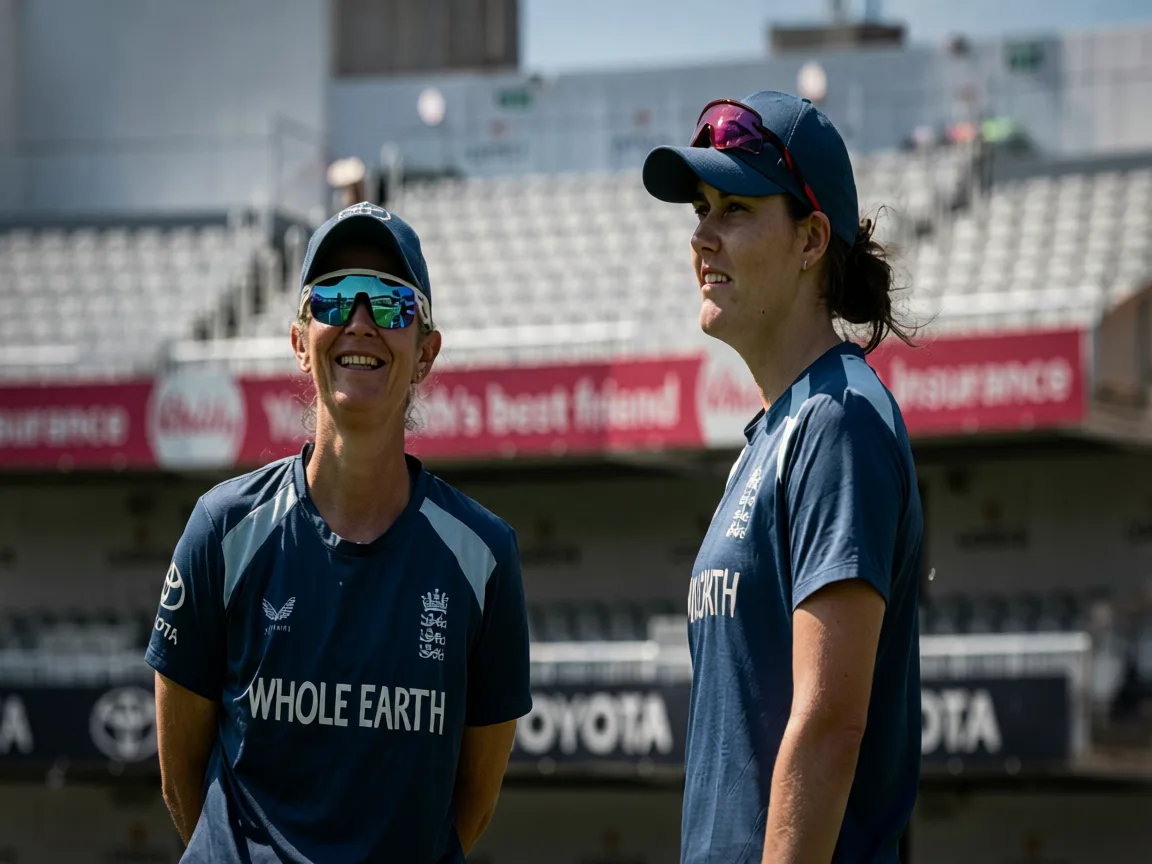
Lord's Finally Hosts Women's Test Cricket
England and India prepare for the first women's Test at Lord's, a watershed moment decades overdue.
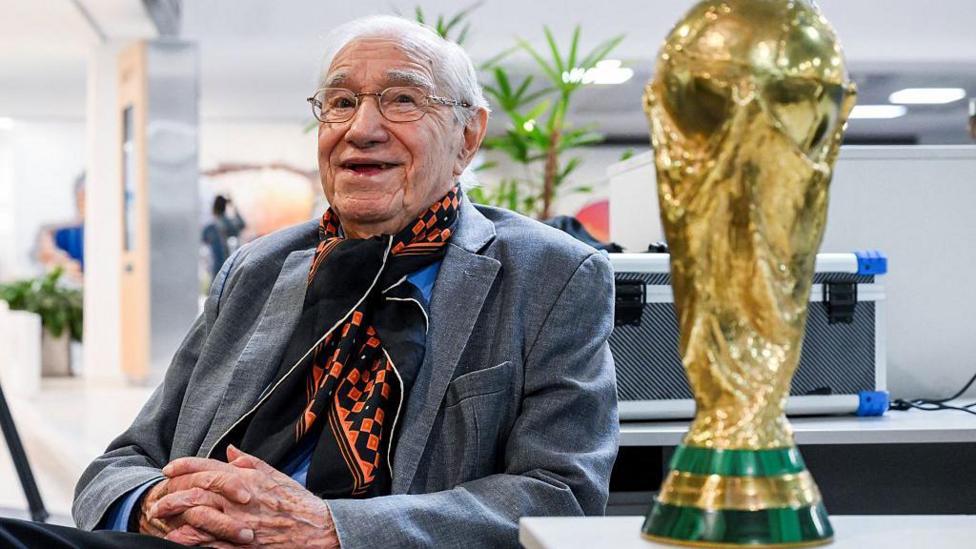
The 91-Year-Old Witness: Macaya Marquez and His 18th World Cup
From Pelé at 17 to Messi's coronation, Enrique Macaya Marquez has documented every World Cup since 1958.
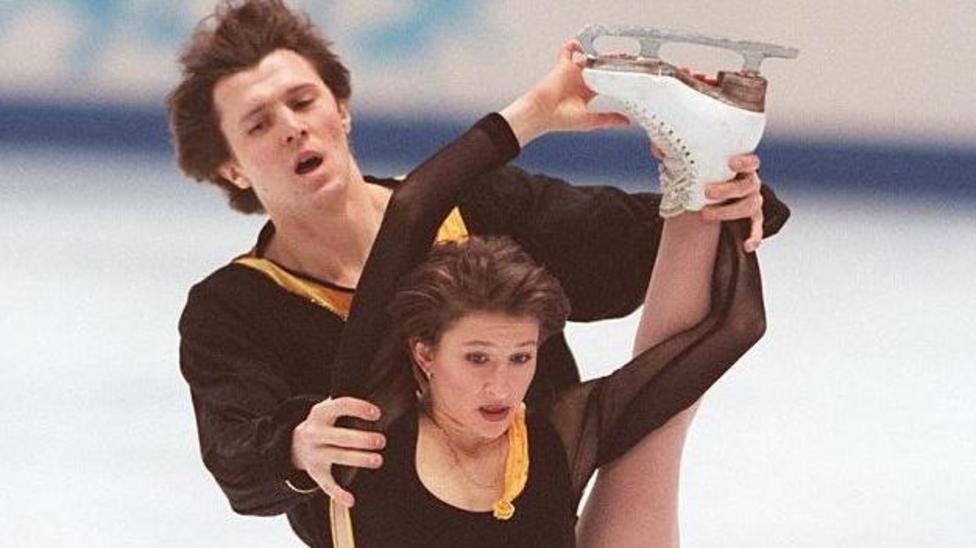
Dmitriev Dies at 58: The Olympic Icon Who Defied Pairs Skating Logic
Artur Dmitriev, the only figure skater to win Olympic pairs gold with two different partners, has died at 58.