Speedboats, Eggs & National Pride: Inside Scotland's Final Countdown
Three weeks from the Games, Team Scotland's kitting-out day reveals the psychological armor behind the sporting pursuit.
The Ritual Before the Roar
Three weeks out from the Commonwealth Games, the noise hasn't started yet. There are no roaring crowds, no starting blocks, no tense penalty shootouts. Instead, inside a quiet hall, a different kind of magic is happening. Athletes are shedding their ordinary clothes and pulling on something else: the weight, the fabric, and the profound responsibility of national colors. Team Scotland's kitting-out day is far more than a logistics exercise. It's the final psychological switch from individual to collective, from personal ambition to national representation.
For the swimmers, cyclists, runners, and gymnasts gathering here, this is the tangible moment the dream becomes real. The official team kit isn't just apparel. It's armor. It's a shared identity stitched into every seam, a physical manifestation of the years of early mornings and personal sacrifices. This is where the journey turns from a private grind into a public mission. The speedboats and handbags mentioned in the day's giveaways are fun perks, but the main event is holding that jacket, feeling its weight, and understanding you are now part of something much larger than your lane, court, or field.
Beyond the Fabric: The Anatomy of a Team Kit
Every detail of a modern team kit is a calculated blend of technology, psychology, and national narrative. The design process for a Games cycle begins years in advance, a quiet collaboration between national sports institutes, athletes, and major sportswear partners. The goal? To create a garment that feels like a second skin and a suit of armor simultaneously.
For Scotland, the iconic saltire blue and white is a given, but the application tells the story. Advanced moisture-wicking fabrics are now standard, but the real innovation lies in personalized fit and movement mapping. Swimmers need streamlined cuts with minimal drag. Cyclists require chamois padding engineered for hours in the saddle. Runners demand lightweight, breathable materials that don't restrict stride. The kit isn't generic; it's a suite of tools.
The Unseen Psychology
There's a powerful, documented phenomenon in sports psychology: "enclothed cognition." The theory posits that the clothes we wear directly influence our psychological processes and performance. An athlete wearing a meticulously designed, national-team uniform doesn't just look like a champion; they are subconsciously primed to feel and perform like one. The official kitting-out ceremony taps directly into this. It's a scripted transition point where the internal identity of "I" officially expands to include the external identity of "we."
The "free eggs" and other perks, while seemingly trivial, are part of this holistic package. They are tokens of care from the national association, small acknowledgements that the athlete's entire well-being is being considered. It builds a sense of being valued and supported beyond their competitive output.
The Strategic Narrative: Brand Scotland on the World Stage
The Commonwealth Games are unique in their multi-sport, celebratory atmosphere, but the kitting-out day serves a crucial strategic purpose for the national brand. Scotland isn't just sending athletes; it's exporting a story. The design of the kit, the quality of the gear, and the pride on the athletes' faces all contribute to a carefully managed image projected to a global audience.
"You see the athletes run their fingers over the emblem for the first time. It's quiet, but it's powerful. That's when you can almost see the nerves and the excitement merge into pure determination."
— A former Team Scotland official, speaking on condition of anonymity
This moment is captured, photographed, and disseminated through media channels. It's the first major media beat of the campaign, shifting public focus from qualification to actual competition. It builds anticipation and creates a tangible connection between the team and the home fans, who can now visualize their heroes in the official attire.
Reactions & The Road Ahead
The atmosphere during a kitting-out day is a fascinating cocktail of nerves, excitement, and focused anticipation. Veterans, who have been through the ritual before, often take on a mentoring role, showing newcomers the ropes. First-time Games athletes are often visibly awestruck, treating the kit with a reverence that highlights the event's significance in their careers.
For the support staff and coaches, this day is a logistical and emotional milestone. The mountain of gear—competition wear, training wear, podium wear, formal ceremony wear—needs to be checked and distributed. But it's also a sign that the lengthy preparation phase is truly ending. From this point forward, every day is a step closer to the opening ceremony and the first whistle.
What This Changes
The kitting-out day fundamentally alters the team's mindset. The abstract concept of "going to the Games" is replaced by the concrete reality of "wearing the kit for Scotland." It concentrates focus. The playful banter seen on the day is often a release valve for built-up tension. Once the photos are taken and the gear is packed, the tone shifts back to one of intense, focused preparation.
Looking ahead, the next three weeks will be a tactical ramp-up. Athletes will taper their training, fine-tune their nutrition, and mentally rehearse their performances. The kit will be worn in final practice sessions, integrating it into their muscle memory. When they finally march into the stadium for the opening ceremony, the initial awkwardness of putting on something new will be gone. It will feel like it belongs to them, because by then, it absolutely will.
The true test begins when the lights are brightest, but the first step on that journey happened today, not on a track or a pool, but in a room full of parcels and promise.
Editorial Integrity
This is an original SportPulse article written by our editorial team. All content is independently researched, written, and reviewed by our writers and editors before publication. We do not publish copied, aggregated, or syndicated content.
SportPulse is committed to original sports journalism. Read our editorial policy or contact us with any questions.
More Like This
All long-reads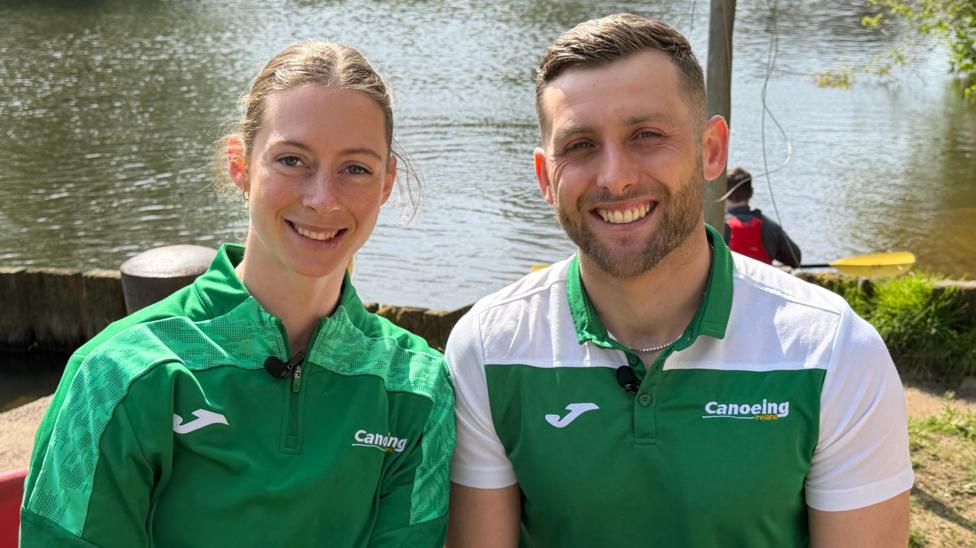
Cochrane Couple Chases 2028 Olympic Dream Together
Newlyweds Jake and Georgina Cochrane swap wedding vows for Olympic ambitions, targeting LA 2028 in canoe slalom.
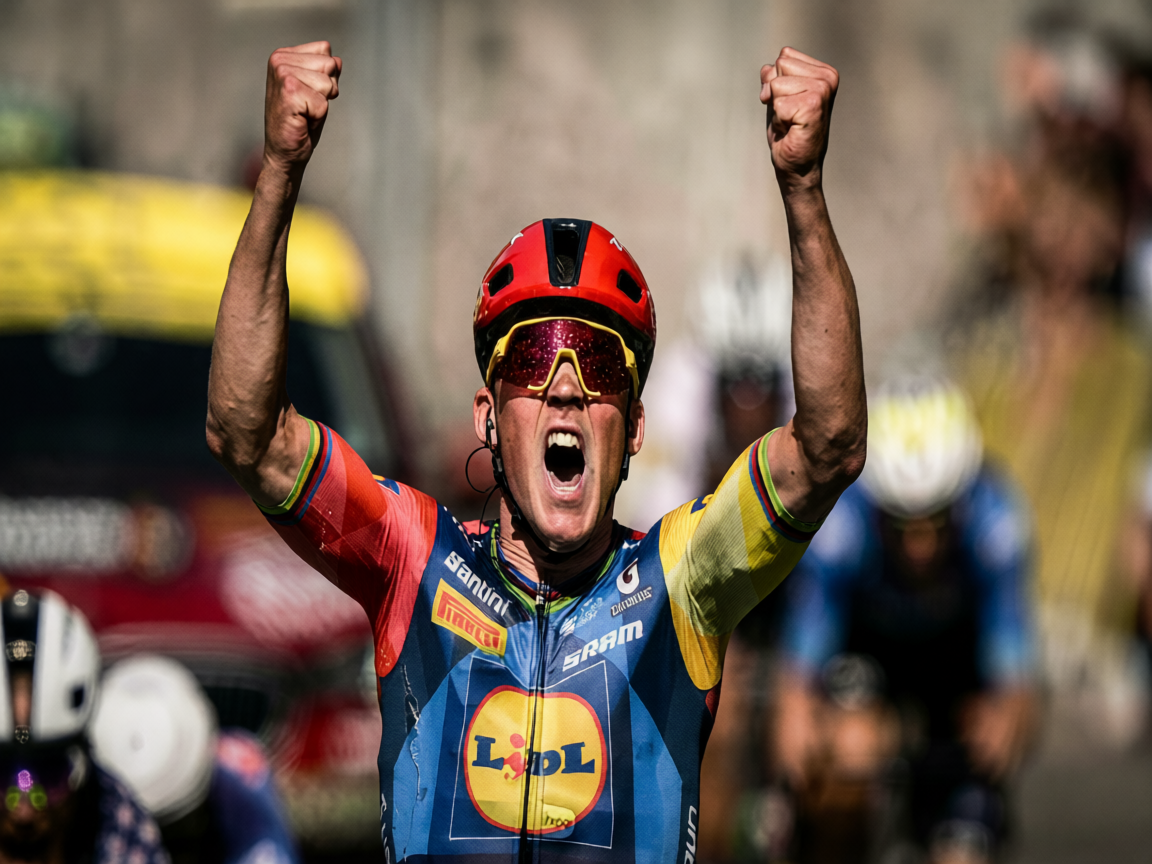
Pedersen’s Sprint Shatters Tour Heat, Pogacar Loses Yellow
Mads Pedersen exploits brutal conditions to claim Stage 4, stripping Tadej Pogacar of the race lead.
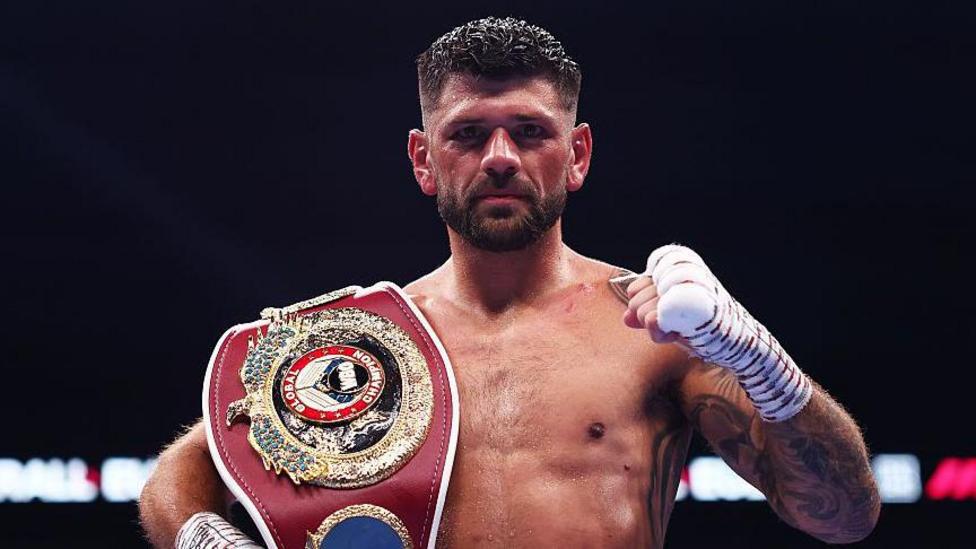
Cordina Charged With Assault: From Ring Glory to Legal Peril
Former super-featherweight world champion Joe Cordina faces assault and weapon threat charges, threatening to derail a career built on razor-thin margins.