The Million-Pound Chase: Why Tennis Breeds Toxic Parenting
Individualism, massive financial rewards, and zero squad safety nets make tennis a perfect storm for pushy parents.
The humid morning air hangs heavy over Court 14 at a junior futures event. A blistering forehand catches the tape and trickles wide. The young player, barely fourteen, glances instinctively toward the perimeter fence. The eyes she finds there are not reassuring. They are burning with frustration. A sharp yell cuts through the stillness of the outer courts. "Move your feet! You are throwing this away!" The parent's fist slams against the chain-link. The girl turns back to the baseline, shoulders slumped, the competitive joy drained from her limbs entirely.
It is a scene replicated at academies and tournaments across the globe, from the sun-baked clay of Florida to the pristine grass of Surrey. Pushy parents are an epidemic in junior tennis, an open secret universally acknowledged yet stubbornly persistent. They scream from the stands. They orchestrate every practice hour. They weaponize love against the very children they claim to be championing. The sport demands an urgent reckoning with why this environment exists, and more critically, how to dismantle a structure that rewards such behavior.
The Economics of Expectation
To understand the overbearing tennis parent, you must first understand the ruthless economics of the sport. Tennis is an individual gladiator arena where the prize money at the pinnacle of the game offers a siren song of life-changing wealth. A singles title at a Grand Slam now guarantees a cheque in excess of £2 million. This staggering financial cliff edge creates a massive incentive structure. The disparity between success and failure is absolute. Players ranked outside the top 100 frequently operate at a loss, subsidizing travel, coaching, and accommodation from meager tournament earnings. Only the elite truly cash in.
This financial reality transforms the parent from a guardian into a venture capitalist. The child is a portfolio investment. When families remortgage homes, relocate continents, and drain retirement funds to fund the dream, the stakes transcend sport. They become inextricably linked to the family's financial survival. Every unforced error is no longer just a lost point. It is a direct assault on the family's economic future. The resulting pressure is suffocating.
The Architecture of Isolation
Tennis uniquely isolates the player. There is no team to absorb a bad day. There is no substitute bench to sit on while a superior talent takes the strain. On the court, the player is alone with their flaws, exposed under a ruthless spotlight. For a parent, watching a child suffer that exposure alone is an agonizing experience. The instinct to intervene, to coach, to fix, to control, overwhelms rational judgment.
Unlike team sports, where academies bear the burden of development and safeguarding, junior tennis leaves the infrastructure entirely to private families. There is no club system offering a standardized, protected pathway. There are no collective bargaining agreements or union protections for teenagers. There is only the parent functioning as manager, coach, agent, and psychologist simultaneously. This concentration of power in the domestic sphere is dangerous.
The Structural Enablers
- Individual accountability: Lose the match, and you alone take the blame. There is nowhere to hide from a defeat.
- Hyper-early specialization: The sport requires racquet skills before the age of ten, forcing parents to commit resources and time before a child can consent.
- Decentralized tours: The absence of a unified domestic league means families must travel globally from aged twelve, intensifying parental control over daily life.
- Absence of fixed contracts: Without a salary guarantee, the relentless pursuit of ranking points supersedes any consideration of the athlete's holistic well-being.
When Protection Becomes Possession
The rationalization for intense parental involvement always begins with protection. The junior tennis circuit is an unforgiving landscape of vulture scouts and rival families hoping to snap up promising talent. The parent steps in to act as a shield against a cold and manipulative industry. But the shield invariably morphs into a cage.
Possession overrides protection. The parent's identity becomes totally fused with the child's ranking. Victory becomes a personal vindication of the family's sacrifice. Defeat triggers feelings of personal inadequacy, projected venomously onto the vulnerable player. The sheer amount of contact time compounds the issue. A soccer parent drops their child at a club facility and retreats to the stands on a Saturday. A tennis parent is on the practice court every morning, at the gym every afternoon, and managing meal prep every evening. This mutual dependency creates a codependency of devastating proportions.
Systemic Failure and the Cost of Silence
The governing bodies are not innocent bystanders in this tragedy. They are the architects of a system that actively enables the worst parental instincts. The Women's Tennis Association and the Association of Tennis Professionals both introduced mandatory minimum ages and coaching certifications in recent years, but enforcement remains sporadic and deeply inadequate. Overbearing parents are frequently tolerated at lower tiers because they are the ones signing the cheques and physically escorting their children to tournaments.
The recent push for compatible coaching apps and the expansion of on-court coaching finds its roots in this parental pressure. Many on the tour whisper that allowing coaching during matches is a concession to parents and entourages who demand impact during competition rather than accepting the pure solitary nature of the sport. The phosphate of human drama is profitable, but the toll on the athlete's mental health is quietly devastating.
"We are asking teenagers to behave like seasoned professionals on the court, while the adults around them are permitted to act like toddlers in the stands. The system protects the revenue streams, not the children."
Resetting the Baseline
Meaningful reform requires severing the financial and emotional dependency between parent and player. The sport must dilute the absolute power of the family unit. National governing bodies must mandate that no player under the age of sixteen may travel to a professional tournament without an independent, safeguarding-certified chaperone appointed by the federation. The cost must be borne by the sport, distributed through a centralized fund, to remove the parent from the immediate sphere of influence.
Furthermore, coaching education must be aggressively standardized. A parent should not be allowed to coach their own child at sanctioned events. The conflicts of interest are glaring. The creation of wholesome regional circuits that require minimal travel would also reduce the insane financial barriers that incentivize heavy parental speculation. If a player can develop against elite competition without a transcontinental budget, the leverage of the pushy parent collapses.
The Path Forward
The next generation of talent is already walking through the tunnel. Some will thrive in the spotlight. Others will crumble under the heel of the people who should be protecting them. Recently, a wave of current professionals have begun speaking out regarding the specific emotional toll of their over-managed upbringings, highlighting years of frosty silences in car rides home and the persistent anxiety of double faults equating to parental disappointment.
The future of the sport depends on shifting the narrative away from parental investment and toward athlete autonomy. Introducing independent arbiters into a teenager's career is not an attack on the family. It is an acknowledgment that developing a world-class athlete requires a village, not a warden. Until the isolation is broken and the power is dispersed, the toxic cycle will simply regenerate with the next batch of aspiring juniors. The fence separating the court from the stands must become a true boundary, not just a physical one, but an emotional and structural divide that finally lets the players breathe.
Editorial Integrity
This is an original SportPulse article written by our editorial team. All content is independently researched, written, and reviewed by our writers and editors before publication. We do not publish copied, aggregated, or syndicated content.
SportPulse is committed to original sports journalism. Read our editorial policy or contact us with any questions.
More Like This
All long-reads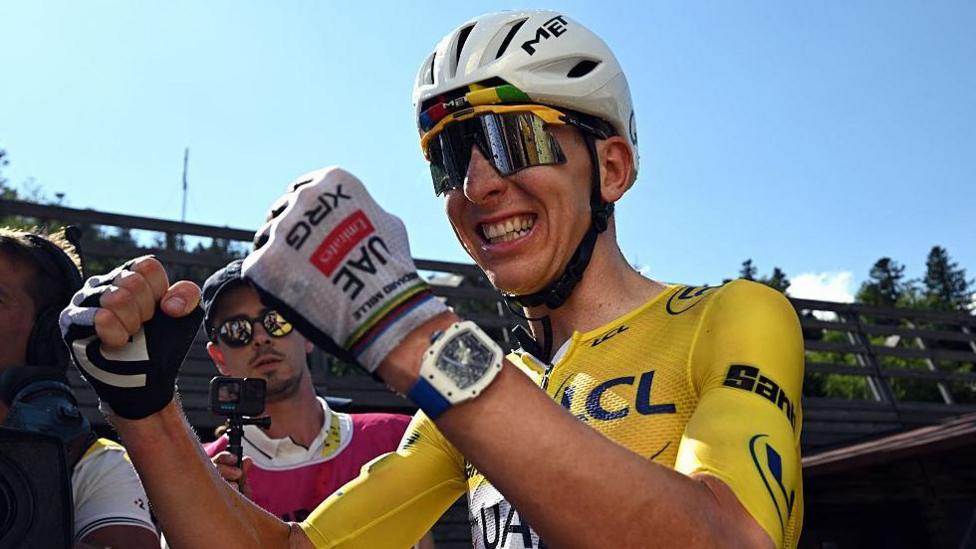
Pogacar Crushes Bastille Day With Third Stage Win
Tadej Pogacar turned Bastille Day into a personal showcase, grabbing his third stage win and extending his Tour lead past three minutes.

Rugby Governing Bodies Ask High Court to Dismiss Brain Injury Lawsuits
Lawyers for rugby's governing bodies argue missing medical records should sink landmark brain injury claims from former players.
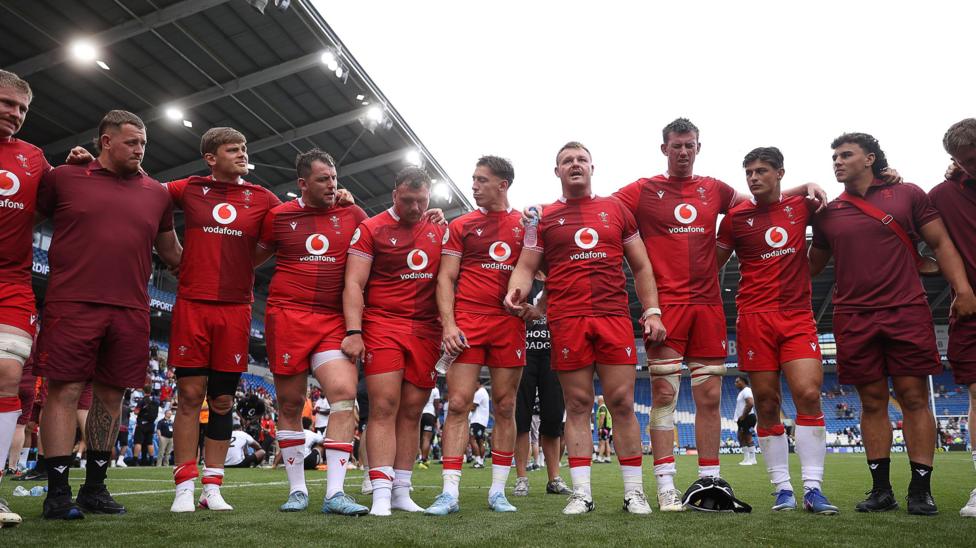
Wales Embark on Tactical Pilgrimage to Argentina and South Africa
Warren Gatland crafts a mobile, adaptive pressing system for a transformative two-Test odyssey against the Pumas and Springboks.