The Dark Side of the Court: Tennis Parents and a System That Lets Them Run Wild
Tennis has a documented problem with pushy parents, and the sport's structure quietly enables the damage.
A Culture Baked Into the Sport's DNA
Tennis is the loneliest sport. No teammates to lean on. No coach whispering instructions mid-point. Just one player, one racquet, and a crowd that watches every facial expression for cracks. Now imagine being 12 years old in that arena, and the most critical eye in the building belongs to a parent.
The issue of pushy tennis parents is not new. It is not rare. And it is not going away. BBC Sport recently revisited the phenomenon, examining when parental involvement crosses the line from supportive to destructive, and whether the sport's own ecosystem is partly to blame. The answer, for anyone who has spent five minutes inside junior tennis, is uncomfortable.
Tennis does not have a parental problem on the margins. It has one at the very center of how players are developed.
The Structural Reality
Unlike football, basketball, or rugby, tennis has no club academy system that creates a buffer between a child and their family. There is no youth coach managing a squad of 20 kids with collective goals. There is one child, one parent's money, and an individual sport where the return on investment is either spectacular or nonexistent.
The economics are brutal. A junior player competing at a serious level can cost a family anywhere from $30,000 to $80,000 per year in coaching, travel, equipment, and tournament entry fees. That financial pressure alone transforms parents from supporters into stakeholders with existential expectations.
When you have remortgaged a house or emptied savings to fund a 14-year-old's international schedule, watching them lose in the first round is not just disappointing. It feels like an investment failure. That psychological weight lands squarely on the child.
When It Goes Wrong
The sport's history is littered with cautionary tales. Damir Dokic became the most notorious example in the late 1990s and 2000s. His daughter Jelena Dokic rose to world No. 4 while enduring what she later described as years of physical and emotional abuse. The tennis world watched it happen. Officials knew. Journalists reported on his outbursts at tournaments. The system allowed it because Jelena kept winning.
Stefano Capriati pushed Jennifer Capriati into professional tennis at 13 years old in 1990. By 15, she had reached a Grand Slam semifinal. By 17, she was arrested for shoplifting and possession of marijuana, and stepped away from the sport. The burnout story became a cautionary case study, though the conversation at the time often blamed the teenager rather than the structure that put her on a freight train to the WTA Tour before she could drive.
These are not isolated incidents dressed up for dramatic effect. They are pattern recognition.
"The sport rewards early specialization and treats children like professionals from a young age. That creates a perfect environment for parents who want to live through their kids, and the system does almost nothing to stop it." — Analysis from a former Tennis Europe development officer, speaking in a 2021 BBC interview
The Coaching Pipeline Problem
In most junior tennis ecosystems, the parent is also the financial gatekeeper to coaching. That dynamic warps the coach-player relationship. A coach who tells a pushy parent to back off risks losing the client. A coach who pushes the child too hard but delivers results gets retained.
There is no independent safeguarding structure equivalent to what exists in youth football through the FA or in gymnastics through FIG's post-abuse reforms. The International Tennis Federation (ITF) has made efforts with its Tennis Safe Guarding policy introduced in 2019, but implementation varies wildly across national federations.
Some academies have tried to address this. The Rafa Nadal Academy in Mallorca and Mouratoglou Academy in France have built structured environments that attempt to manage parental involvement. But these institutions serve a fraction of the global junior player population. The vast majority of development happens on public courts with private coaches hired by parents, completely outside any institutional oversight.
The result is a system where the most powerful person in a child's sporting life is the one who is least qualified to make objective developmental decisions and most emotionally compromised by the outcomes.
The Psychological Toll
Sports psychologists who work with tennis players consistently report the same pattern. Adult professionals struggling with anxiety, burnout, and identity issues that trace directly back to their junior years and parental pressure.
Dr. Jim Loehr, who has worked with multiple Grand Slam champions, has written extensively about how the mental health crisis in professional tennis has roots in childhood development. When a child's self-worth becomes fused with their ranking or results, the psychological damage can take decades to unravel.
The WTA and ATP have expanded mental health resources in recent years, partly in response to high-profile cases like Naomi Osaka's withdrawal from the 2021 French Open and subsequent revelations about her struggles with depression. But treating symptoms at the top of the sport does not address the root cause at the bottom.
A 10-year-old who is screamed at after losing a match at a regional tournament in Florida or Lyon is not thinking about professional mental health resources. They are thinking about whether they are loved.
Is the System to Blame?
The short answer is yes, but with a caveat. The system did not create bad parents. They exist in every sport, every school, every suburb. What tennis's structure does is remove the guardrails that other sports rely on to limit the damage.
In academy-based sports, there are peer groups, team environments, licensed coaches bound by governing body codes of conduct, and separation between family life and training life. Tennis offers none of that by default. The parent travels with the child. The parent pays the coach. The parent sits courtside at every practice.
The ITF and national federations need to move beyond written safeguarding policies and into active enforcement. Mandatory parental conduct codes at sanctioned tournaments with real consequences. Psychological screening and support built into junior development pathways. Accreditation standards for coaches that include child welfare training, not just technical knowledge.
Some federations are ahead of others. Tennis Australia has invested in a more holistic development model that emphasizes long-term athlete development over early ranking points. The LTA in Britain has introduced parental education programs. But these remain exceptions.
What It Means
Tennis will always attract ambitious parents. The sport's individual nature and its enormous financial rewards at the top make that inevitable. But acknowledging the problem exists is no longer enough. The sport needs structural reform that places child welfare above ranking points and revenue.
The players who survive the system and reach the top are often held up as proof that the model works. Serena Williams, Maria Sharapova, Rafael Nadal all had heavily involved parental figures. But survivor bias is not a development strategy. For every Williams who thrived under intense parental involvement, there are hundreds of kids who walked away from the sport damaged.
Tennis is asking the wrong question. It should not be whether pushy parents can produce champions. It should be how many children the sport is willing to sacrifice to find out.
Editorial Integrity
This is an original SportPulse article written by our editorial team. All content is independently researched, written, and reviewed by our writers and editors before publication. We do not publish copied, aggregated, or syndicated content.
SportPulse is committed to original sports journalism. Read our editorial policy or contact us with any questions.
More Like This
All tennis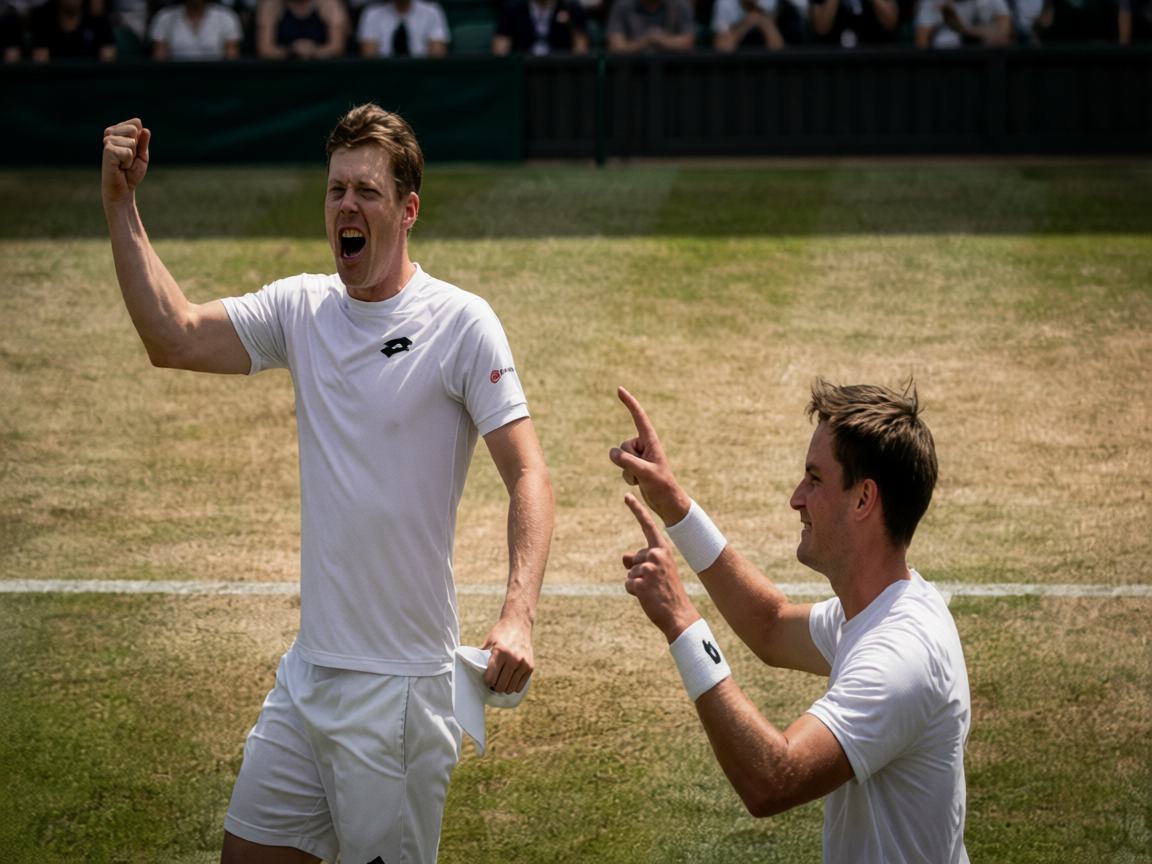
Patten and Heliovaara March On, Crafting a Quiet Dynasty on Grass
The defending champions are into the Wimbledon quarter-finals, their title defence built on chemistry and quiet ruthlessness.

De Minaur Finds His Grass-Court Groove on a Sweltering Wimbledon Afternoon
Alex de Minaur dismantled Adrian Mannarino in straight sets, signaling he is ready for a deep Wimbledon run.
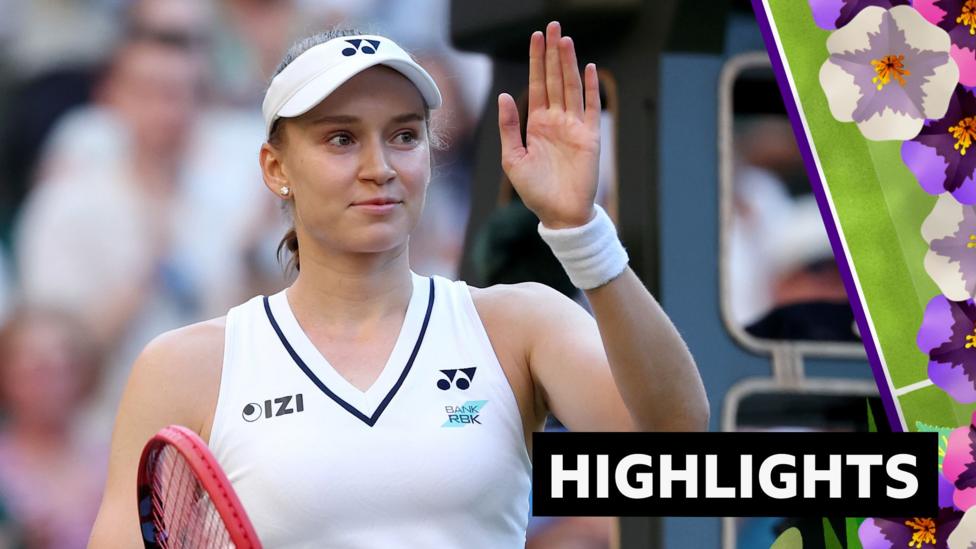
Rybakina's Systemic Dismantling: A Masterclass in Positional Tennis
Elena Rybakina applied relentless tactical pressure, deconstructing Caty McNally's game in a clinical Wimbledon display.