The Welsh Doctor Behind England's 1966 World Cup Glory
England's 1966 World Cup triumph had an unlikely Welsh architect: the team doctor who kept the squad fit and sang on Top of the Pops.
The Unlikely Architect of 1966
Alf Ramsey's tactical masterstroke, Geoff Hurst's hat-trick, and the Jabulani predecessors of 1966 dominate the English footballing consciousness. Yet one of the most critical figures in England's only World Cup triumph carried a stethoscope, a thick Welsh accent, and an improbable singing voice. Dr. Mike Onions, the team physician, recently brought back into the spotlight by his daughter Annie, was the medical backbone of a campaign that relied as much on physiological survival as tactical innovation.
Geography and international football have always shared an uneasy truce. The idea that a Welshman would serve as the primary medical gatekeeper for England's most celebrated Sporting achievement borders on the absurd. In an era where FA governance was rigidly insular, Onions operated as a pragmatic exception. His presence highlights a forgotten truth about elite sport: the margins of victory are often maintained in the treatment room, not just on the training pitch.
The Medical Battlefield of 1966
Modern football battens on the benefits of sports science. Players recover in cryotherapy chambers, their workloads monitored by GPS vests tracking every metre sprinted. In 1966, sports medicine was essentially reactive trauma care. Pitches resembled muddy fields, tackles flew with career-threatening intent, and the concept of structured injury prevention was virtually nonexistent.
- 0 substitutes were permitted in competitive matches, making player availability an absolute priority
- 1 physiotherapist typically supported the entire squad, with no specialised department
- Recovery protocols often amounted to a hot bath and a rubdown with a primitive embrocation
- Chiropractic and soft-tissue work was viewed with suspicion rather than embraced
Dr. Onions was not merely a token appointment to satisfy a bureaucratic checkbox. He was the diagnostic filter through which all fitness decisions flowed. When Ramsey demanded to know whether Bobby Moore's groin could withstand 90 minutes against Eusebio's Portugal, or whether Ray Wilson's hamstring would survive the punishing quarter-final against Argentina, it was the Welsh doctor who delivered the final verdict. His clinical authority superseded even the manager's tactical preferences.
The Anatomy of a Miracle
Keeping England's starting XI intact through six high-intensity fixtures across 21 days was arguably as difficult as any tactical puzzle Ramsey faced. The modern proliferation of muscle injuries, despite billion-pound infrastructure, underscores the magnitude of this feat. England's core starters logged immense minutes in an era where foul play was routinely dismissed as part of the game.
Consider the attrition rate. The 1966 tournament was a decimation derby masquerading as a football competition. opponents employed tactics that bordered on assault. The group stage alone featured brutal encounters. Onions had to manage the immediate fallout, reduce swelling, inject painkillers with primitive syringes, and determine the fine line between bravery and clinical recklessness. He brokered a delicate balance between pain management and long-term player welfare. Without a reliable physician to green-light the walking wounded, Ramsey's rigid tactical shape would have collapsed into desperate improvisation.
The semi-final against Portugal offered a prime example. Eusebio was consuming defenders with explosive bursts, but Onions ensured the defensive shield of Stiles and Wilson remained physically competent enough to execute Ramsey's containment plan. England conceded only 1 goal in that semi-final, a testament to both tactical discipline and the medical maintenance allowing that discipline to function.
"My dad was incredibly proud to be the doctor for the England football team at the '66 World Cup," Annie Onions recalled, stripping away the decades to reveal a man who understood the weight of his position.
The Top of the Pops Anomaly
Then comes the detail that elevates this from a muted medical footnote to a genuinely bizarre cultural artifact. Dr. Onions sang "Back Home" on Top of the Pops alongside the entire England squad. The 1970 World Cup squad song was a rigidly choreographed, militaristically cheerful affair, but the 1966 tournament birthed an earlier, more chaotic musical tradition.
The visual alone demands unpacking: a qualified Welsh physician, clad presumably in the sartorial casualties of the swinging sixties, belting out a football anthem with the greatest generation of English players ever assembled. It represents a sporting era devoid of the sanitised, PR-managed bubbles that encase modern tournaments. Players and staff mingled with the public, drank in the same pubs, and apparently recorded television performances together without clearing it through a dizzying array of brand-strategy committees.
This collision of professional medicine and pop culture happened because football had not yet built the corporate walls separating the dressing room from the living room. Onions' appearance was a symptom of broader team cohesion. A doctor comfortable enough to sing on national television with his patients understood the psychological chemistry of the group. Morale was not an algorithmic output; it was an organic byproduct of shared experience.
The Bottom Line
Onions' dual role as medical sentinel and reluctant pop star underscores a central paradox of the 1966 victory: it was a triumph of transformative sporting infrastructure achieved through deeply traditional, almost amateur social bonds. The Wales-England sporting rivalry remains one of international football's most fiercely contested fixtures. That One of the most indispensable architects of English footballing supremacy was Welsh adds a layer of ironic complexity to the decades of bragging rights that followed.
Dr. Mike Onions did not score the goals, nor did he orchestrate the formations. But in a tournament where 0 substitutes were permitted and 1 injured starter could have derailed an entire nation's hopes, his role was fundamentally load-bearing. His daughter's retrospective pride is a necessary corrective to a historical narrative that too often airbrushes the support staff.
What History Forgets
The modern World Cup deploys literally hundreds of medical personnel across multi-disciplinary teams. England's 2022 campaign travelled with doctors, physios, soft-tissue specialists, and sports psychologists. In stark contrast, the 1966 operation leaned heavily on a single Welsh doctor with a prescription pad and a remarkable tolerance for high-pressure decision-making.
- Medical autonomy: Onions made unilateral fitness calls that are now debated by committees
- Cultural integration: Support staff were expected to participate in team-building, including dubious musical ventures
- National fluidity: National identity was subordinate to professional competence in a way modern international football rarely permits
The distance between 1966 and the contemporary game is measured in more than just tactical revolutions and commercial billions. It is measured in the shrinking space between the treatment table and the television studio. Dr. Mike Onions occupied that space with a quiet authority that deserves far more than a footnote.
Editorial Integrity
This is an original SportPulse article written by our editorial team. All content is independently researched, written, and reviewed by our writers and editors before publication. We do not publish copied, aggregated, or syndicated content.
SportPulse is committed to original sports journalism. Read our editorial policy or contact us with any questions.
More Like This
All long-reads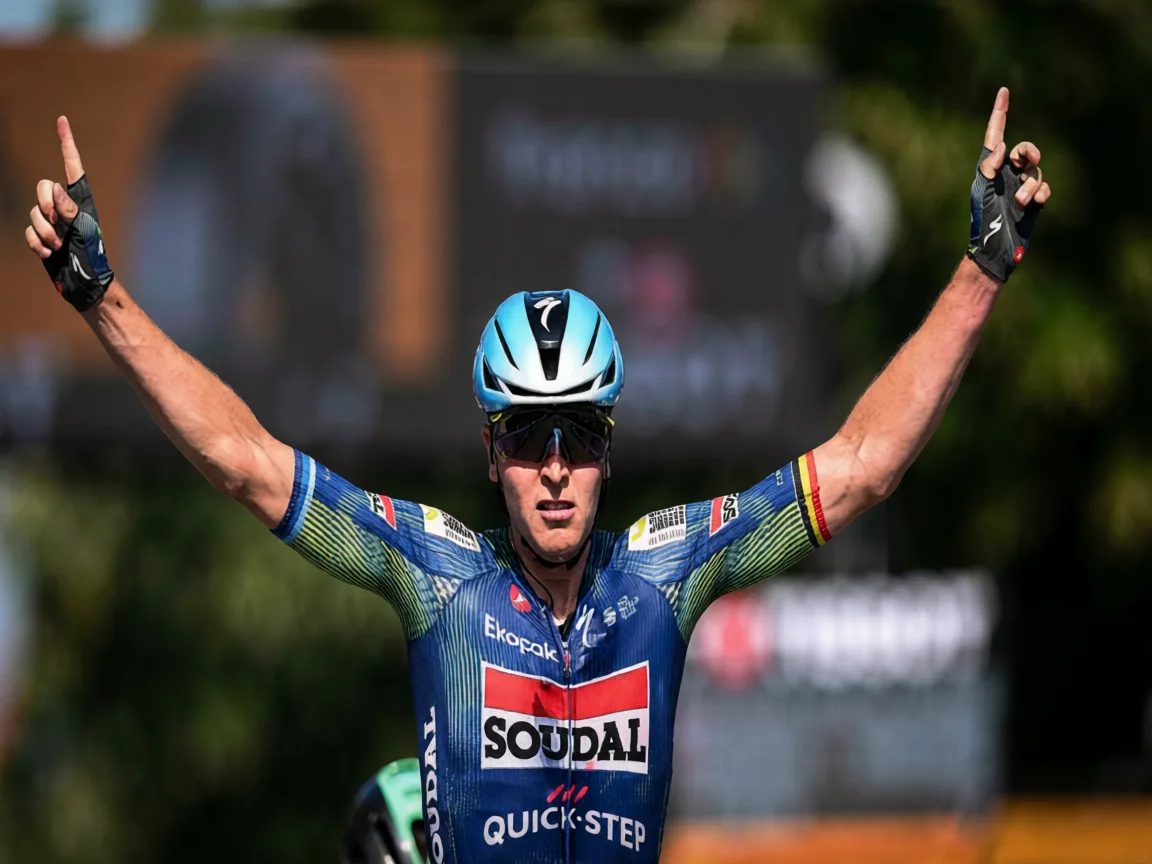
Merlier Doubles Down With Back-to-Back Tour Stage Wins
Tim Merlier storms to his second consecutive Tour de France stage victory, confirming his status as the sprinter to beat.
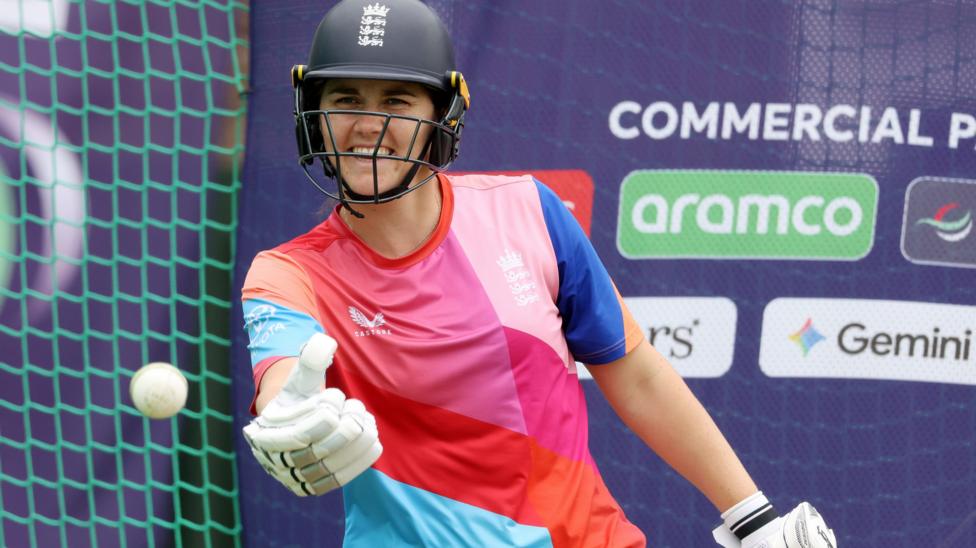
Seven Years of Hurt: England's Women Chase T20 World Cup Redemption
After seven years of near-misses and heartbreak, England's women stand on the edge of T20 World Cup glory again. This is why it matters.

World Cup Clean-Up Exposes Atlanta's Homeless Brutality
Fifa preaches unity while Atlanta erases its unhoused population to stage football's grandest spectacle.