Eight Months and Out: The Anatomy of Thomas Frank's Tottenham Failure
Thomas Frank's sacking at Spurs exposes a club still addicted to instability and allergic to patience.
The Verdict Was Inevitable
Eight months. That's all Tottenham Hotspur gave Thomas Frank, and if you've been paying attention to the institutional dysfunction at that football club, none of this should shock you. Frank was sacked this week, becoming yet another name on an increasingly grotesque list of managers chewed up and spat out by Spurs' hierarchy. BBC Sport's Sami Mokbel has detailed the Danish coach's struggle to win over the dressing room and the fanbase, and the picture painted is one of a man who never stood a real chance.
The real question isn't why Frank failed. It's whether Tottenham's structure makes anyone succeeding there a near impossibility.
A Manager Built for the Long Game
Thomas Frank arrived at Spurs with genuine pedigree. His work at Brentford was nothing short of transformative. Taking charge of a Championship club in 2018, Frank guided the Bees to the Premier League for the first time in their history via the 2021 play-off final, and then established them as a competitive top-flight side. In their first three Premier League seasons, Brentford survived comfortably, finishing 13th, 9th, and 16th, all while operating on one of the division's smallest budgets.
Frank's system was meticulous. Brentford's pressing structure under his leadership was among the most organized in the league, and his ability to develop players like Ivan Toney, Bryan Mbeumo, and Yoane Wissa into genuine Premier League threats on a shoestring budget made him one of the most admired coaches in England. His xG models consistently overperformed expectations, a hallmark of a coach who squeezed every ounce of quality from limited resources.
The logic behind Tottenham's appointment was sound enough on paper. Frank was a builder, a coach who could develop talent within a clear tactical framework, someone who understood player buy-in and culture. The problem was that Tottenham's current ecosystem does not reward builders. It rewards survivors.
Why It Unravelled
According to Mokbel's reporting, Frank's downfall came down to two fundamental failures: he could not get the players fully committed to his methods, and he could not connect with a fanbase that had already grown restless.
This is a pattern we have seen repeat itself at Tottenham with damning regularity. Nuno Espirito Santo lasted four months. Antonio Conte, despite being one of the most decorated coaches in world football, departed after 16 months in a blaze of public fury. Ange Postecoglou, who initially galvanized the club with attacking football, left after a turbulent spell. Now Frank joins the pile.
The common denominator in every single one of these collapses is not the quality of the manager. It is the environment they are asked to operate in. Tottenham's squad has been assembled across multiple managerial reigns with wildly different tactical philosophies. There is no coherent recruitment identity, no long-term sporting vision that survives beyond the next sacking. Each new manager inherits a Frankenstein squad built for someone else's system and is then judged harshly when results don't arrive immediately.
Frank's tactical preferences, a high-pressing, compact 3-5-2 or 4-3-3 built on positional discipline, required time on the training ground and full commitment from senior players. At Brentford, he had years to instill those habits with a small, hungry group. At Spurs, he had eight months with a bloated, fractured dressing room where half the players had already survived two or three different coaches.
The Dressing Room Problem
Senior player buy-in is the single most important factor in any managerial appointment, and it is the one thing Tottenham consistently fail to address. When a new manager walks into a dressing room where the biggest earners know the coach will likely be gone before their contract expires, authority evaporates. Frank, by all accounts a measured and intelligent communicator, found himself unable to impose the intensity and discipline that made Brentford so effective.
This is not a knock on Frank's personality or coaching ability. It is a structural indictment of a club that has made instability its defining characteristic.
The Bottom Line: Tottenham do not sack managers because the managers are bad. They sack managers because the club's environment makes sustained success virtually impossible for anyone.
The Fan Factor
Supporters at Tottenham have grown increasingly disillusioned, and their frustration is entirely understandable. Since Mauricio Pochettino's departure in November 2019, the club has lurched from one managerial appointment to the next with no discernible direction. The expectation from the fanbase is winning, and ideally winning in style, but the tools provided to each successive manager have been inconsistent at best.
Frank's more pragmatic, system-first approach was always going to struggle to excite a fanbase that watched Postecoglou's gung-ho attacking football. The Spurs faithful wanted entertainment and identity, and Frank offered structure and patience. Those are not inherently worse qualities, but they are harder to sell when results aren't immediate.
The atmosphere at the Tottenham Hotspur Stadium has reportedly been toxic in recent weeks. When a fanbase turns, the board listens, and the board acts. It is the same cycle that has defined this club for the better part of five years.
A Broader Pattern in English Football
Frank's dismissal is part of a wider trend of managerial volatility across the Premier League. The average tenure of a sacked top-flight manager has been shrinking for over a decade, but Tottenham have turned it into an art form. Since Pochettino left, they have employed five permanent managers in roughly five years. That is not a coaching problem. That is a governance problem.
Contrast that with Brentford, who replaced Frank with a similarly structured appointment and continued to operate within their established model. Or with clubs like Brighton, who have built sustainable success through consistent recruitment philosophy and managerial continuity. The gap between clubs that plan and clubs that panic is widening every season.
What Comes Next for Tottenham
The immediate question is who Spurs turn to now, and the names already circulating are predictable. What matters far more than the identity of the next manager is whether Tottenham's hierarchy finally commit to a genuine long-term project.
If the next appointment is another reactive hire made to appease fan anger rather than serve a coherent strategy, then this cycle will simply repeat itself. Spurs need a sporting director with real authority, a recruitment model built around a defined playing style, and crucially, the boardroom patience to endure short-term pain for long-term gain.
History suggests they will do none of those things.
What Frank's Camp Can Take Away
For Thomas Frank personally, this setback need not define his career. His Brentford record speaks for itself, and coaches with his tactical intelligence and man-management skills will not be short of offers. A return to a club with a clearer structure, a smaller squad, and a longer leash could see Frank thrive once again. He is 51 years old with his best coaching years still ahead of him.
The failure at Tottenham says far more about the institution than the individual.
The Bottom Line
Thomas Frank's eight-month spell at Tottenham is not a story about a manager out of his depth. It is a cautionary tale about a club that has institutionalized dysfunction. Until Spurs address the root causes, coaching appointments will remain a revolving door, and talented managers like Frank will continue to be collateral damage.
Tottenham don't need another savior in the dugout. They need a complete rewire from the boardroom down. Until that happens, this cycle has no end in sight.
Editorial Integrity
This is an original SportPulse article written by our editorial team. All content is independently researched, written, and reviewed by our writers and editors before publication. We do not publish copied, aggregated, or syndicated content.
SportPulse is committed to original sports journalism. Read our editorial policy or contact us with any questions.
More Like This
All football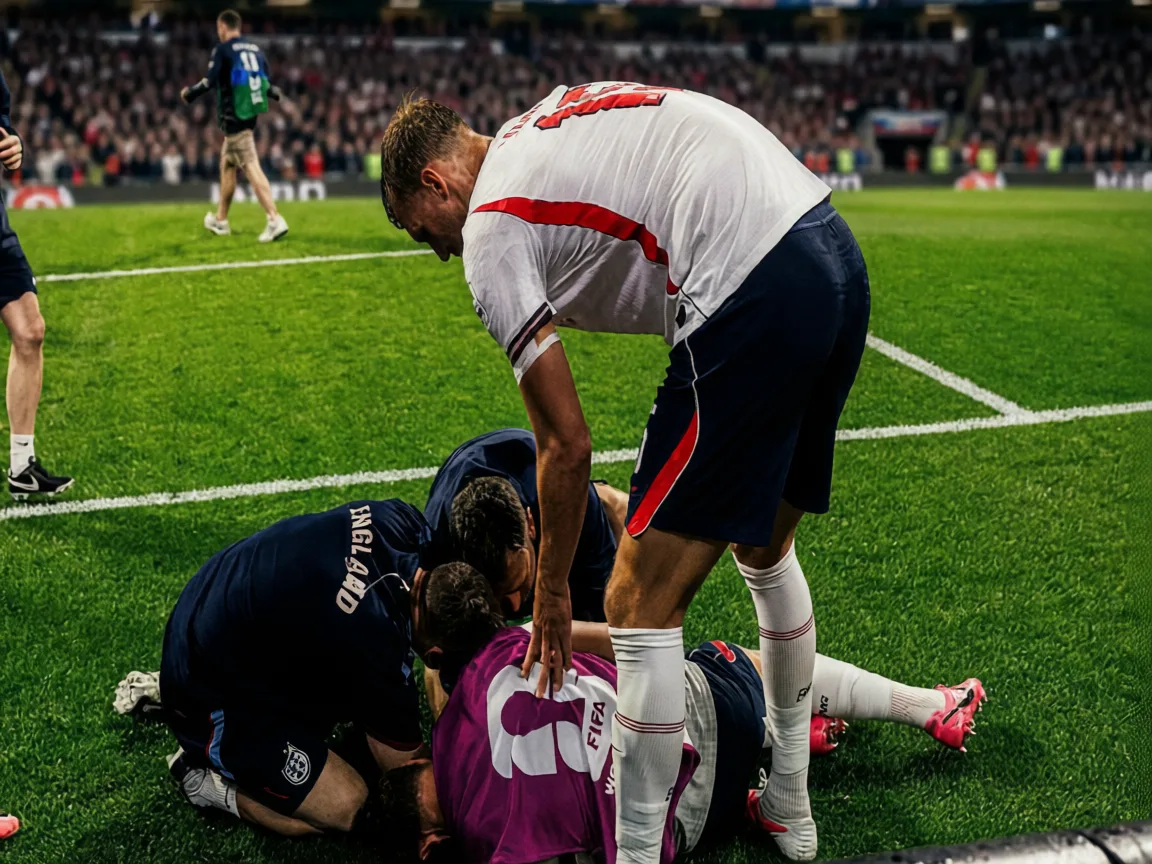
Henderson Undergoes Surgery on Broken Arm Sustained in England Celebrations
Jordan Henderson required surgery after breaking his arm during England's win over Mexico celebrations, raising fresh availability concerns for club and country.
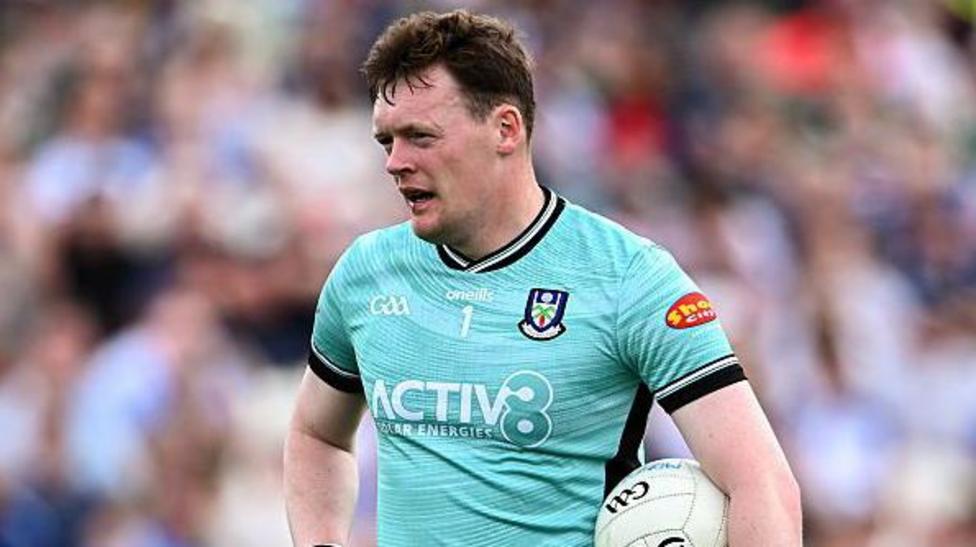
Beggan Breaks Down Where All-Ireland Semi-Finals Will Be Won
Monaghan's Rory Beggan dissects the tactical battlegrounds set to decide this weekend's All-Ireland SFC semi-finals.
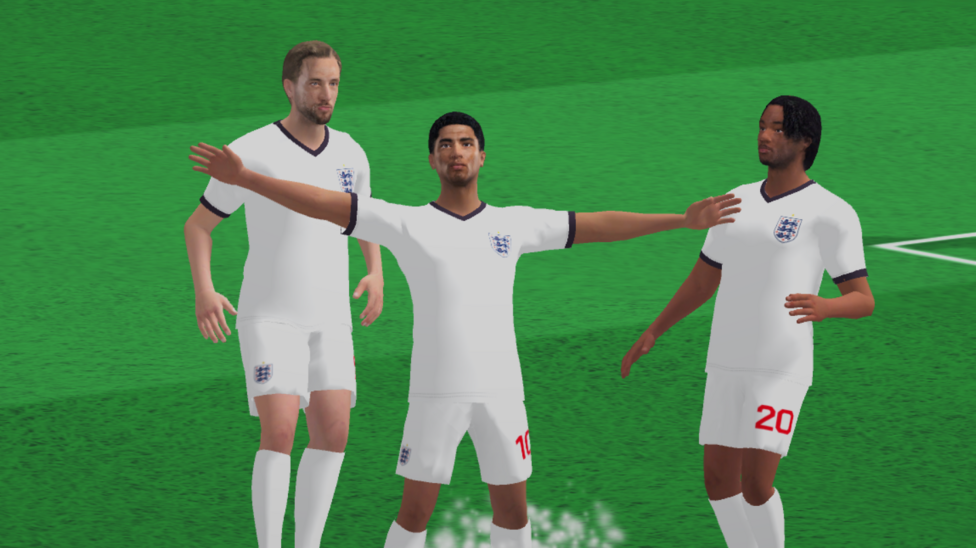
BBC's 3D World Cup Replays Change Tactical Analysis Forever
BBC Sport's 3D Experience grants fans full-pitch tactical views, permanently shifting how we consume and analyze football.