How Paul Dacre Weaponised Anger and Conquered Fleet Street
The Daily Mail's former editor didn't just sell outrage. He built a playbook that now dominates nearly every newsroom in Britain.
The Playbook That Ate Fleet Street
Modern football management is obsessed with tactical DNA. Managers don't just build teams; they construct ideological frameworks that outlast their own tenures. Think of Pep Guardiola's positional play sprawling across the Premier League, or Jurgen Klopp's gegenpressing echoing through disciples at Chelsea and Bournemouth.
But strip away the tactics boards and the half-time oranges, and the most powerful implementation of this coaching tree phenomenon sits not on a training ground, but in the glass towers of Kensington. Paul Dacre, the former editor of the Daily Mail, didn't just sell newspapers. He built a tactical blueprint for righteous indignation that now dictates the operating system of nearly every newsroom in Britain.
The Pre-Dacre Era: The Respectable Flat Back Four
To properly measure Dacre's destructive, transformative brilliance, you have to examine the tactical setup he replaced. In 1986, 131 years after the Daily Telegraph was founded, its then-editor Max Hastings circulated a memo that essentially defined the prevailing conservative journalism of the era. The brief was simple: the Telegraph was "nice". It existed in the business of reassurance.
Hastings explicitly stated the paper was not a strident campaigning vehicle. The tactical instruction was to provide readers with the fullest possible information and gently suggest what it might mean. It was reserved, controlled, and heavily structured. In modern footballing terms, Hastings ran a rigid 4-4-2. It was defensive, low-risk, and relied on maintaining the structural integrity of the status quo.
Geoffrey Wheatcroft, the historian of British conservatism, famously noted that the Telegraph of that era could be inward-looking and "numbingly dull" but was "thoroughly respectable". Its key figures, like Hastings's predecessor Bill Deedes, were "mildness itself". The coverage focused on the English countryside, hierarchy, foxhunting, and garden maintenance. The explosive moments were strictly quarantined to the divorce courts, presented as cautionary tales rather than culture war battlegrounds.
It was a mid-table mentality. Safe, insulated, entirely predictable.
The Dacre Gegenpressing Revolution
Paul Dacre took over the Daily Mail in the early 1990s and immediately discarded the cautious, defence-first methodology. He recognised a shift in the political and cultural atmosphere long before his rivals. What readers wanted wasn't gentle reassurance that their world was safe; they wanted a targeted, furious articulation of the growing anxiety that their world was under threat.
Dacre didn't invent the angry rightwing perspective, but he was the first to industrialise it. He turned the newspaper into a high-octane, pressing machine. Where the Telegraph patiently waited for the news to develop before offering a measured verdict, Dacre's Mail attacked the ball aggressively from the first whistle. Every story, no matter how mundane, was framed through the lens of moral outrage or a deep state conspiracy against the everyday reader.
- Post-war consensus dismantled: Dacre rejected the polite, Rules-Committee approach to political reporting.
- Aggressive transitional play: He mastered the art of taking a minor bureaucratic event and instantly transitioning it into a front-page scandal about national identity.
- Relentless opponent targeting: Whether it was politicians, liberals, or the EU, the Mail under Dacre hunted in packs, suffocating organisations before they could set their own agenda.
Dacre weaponised the emotional volatility of the British public. He knew that a calm reader doesn't feel the urgent need to buy a paper or click a headline. An enraged reader does both, repeatedly. He built a direct line to the amygdala of Middle England.
Tactical Evolution and Matchday Execution
The brilliance of the Dacre system wasn't just in its underlying philosophy, but in its relentless daily execution. Just as a top-class manager drills a high-pressing system until it becomes autonomous, Dacre instilled a rigid, demanding workflow culture at the Mail that exhausted rivals.
His newsroom operated with a ferocious intensity. Dacre was the ultimate demanding head coach, imposing late-night editing sessions and micro-managing the rhythm of the front page. He demanded total commitment to the editorial line, ensuring that there was no tactical leakage between the news pages and the comment sections. Everything served the overarching game plan.
"We don't wait for the perfect moment. We build the shape that creates the moment."
This quote, while applicable to modern attacking football, sums up Dacre's approach to agenda-setting news. The Mail didn't report a scandal; it constructed the parameters of the scandal, positioned the villains, and handed the reader a pitchfork. Every column inch was high-press, designed to force an error from politicians or public figures. The punishment for stepping out of line wasn't just a critical article; it was a sustained, multi-week campaign designed to end careers.
The Disciples: From One Manager to a Whole League
A tactical philosophy only truly conquers a sport when its disciples spread it across rival organisations. Look at how Klopp's assistants now manage across the Premier League, enforcing heavy metal football at clubs with entirely different budgets. Fleet Street is now entirely infected by the Dacre methodology.
Today, most of Fleet Street is run by his ex-protégés. They have taken the Mail's aggressive, emotionally charged transitional journalism and deployed it at rival papers. The subdued, "nice" conservatism of the old Telegraph has been all but wiped out. Even the Telegraph itself, under different leadership, adopted a sharper, more combative edge in an attempt to keep pace with the Dacre pressing system.
The numbers tell the story of a total stylistic conquest:
- The Daily Mail continues to set the benchmark for online traffic, converting moral panic into digital revenue with ruthless efficiency.
- The Telegraph abandoned its "numbingly dull" safety-first approach for radicalised, high-intensity campaigning to compete in the aggregator era.
- The Sun and The Express absorbed the Dacre playbook, escalating the intensity of their own front pages to maintain market share.
Centre-right journalism in Britain is no longer in the business of reassurance. It is in the business of perpetual indignation. Politicians now routinely govern in fear of the Dacre pressing trap, shaping policy to avoid being caught in possession by a tabloid headline.
The Bottom Line
The Dacre dynasty is not just a story of one newspaper editor's success; it is a tactical memo for understanding modern British media. Max Hastings's Telegraph played the long game, sitting deep, absorbing pressure, and protecting the establishment's ego. Paul Dacre realised the establishment was already haemorrhaging legitimacy, so he raised the line, pushed the tempo, and turned anxiety into an industrial export.
The result is a landscape where outrage is the default currency. Fleet Street didn't just borrow Dacre's tactics; they inherited his entire tactical DNA. To read a British newspaper today is to watch a team playing the Dacre pressing game. They don't want to inform you nicely. They want to win the ball back, and they want you furious while they do it.
Editorial Integrity
This is an original SportPulse article written by our editorial team. All content is independently researched, written, and reviewed by our writers and editors before publication. We do not publish copied, aggregated, or syndicated content.
SportPulse is committed to original sports journalism. Read our editorial policy or contact us with any questions.
More Like This
All long-reads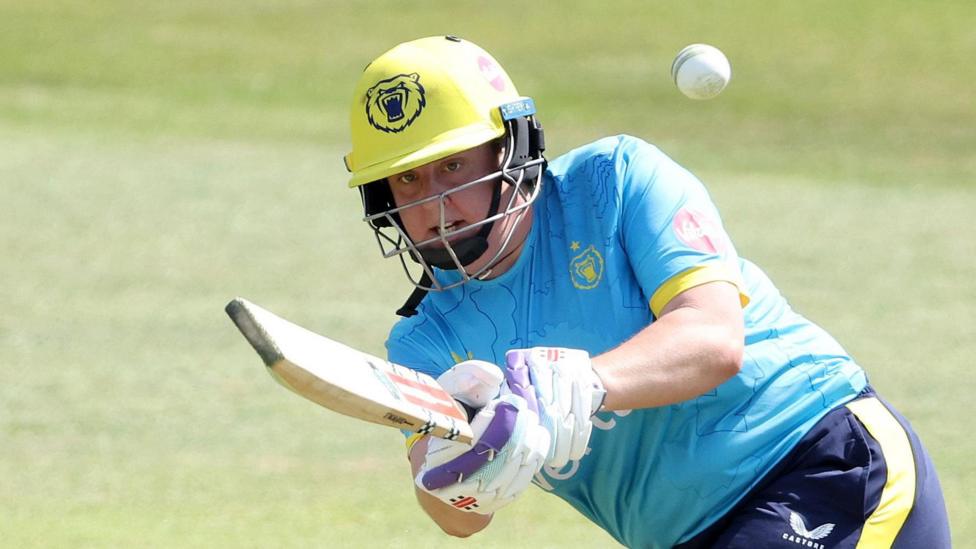
Warwickshire Pull Off Season-Defining Upset Over High-Flying Surrey
Bottom-dwellers Warwickshire shock Surrey in Women's T20 Blast, reshaping the title race as Hampshire surge to the summit.

Behind the Lens: What World Cup Portraits Reveal Beyond the Corporate Mask
FIFA's obligatory portrait sessions expose the tension between institutional uniformity and the individuality that makes football magnetic.

The World Cup America Didn't Know It Needed
As the 2026 World Cup approaches, football may hold up the mirror America least wants to look into.