Spurs' £230m Splurge: Desperation Gamble or Calculated Masterstroke?
Tottenham's unprecedented £230m spend signals a dramatic break from the Levy era, but the strategy raises more questions than answers.
The Art of the Deal
Sotheby's in London recently sold 25 modern and contemporary works for almost £300m. A Modigliani piece fetched £41.5m. A Magritte went for £13.5m. The art world celebrated the resilience of the London market. Meanwhile, in the football world, Tottenham Hotspur are spending an unprecedented £230m in the transfer market this summer. Much of that outlay is funded by cash injections from the Lewis family, the club's ownership group headed by Joe Lewis. Whether the Sotheby's auction of Lewis's art collection directly funds the Tottenham transfer splurge is a question only the accountants can definitively answer. But when an owner liquidates assets and the football club he owns suddenly discovers a war chest, the optics write their own narrative.
The far more pressing sporting question: what exactly is Tottenham playing at? This is a club that finished 17th in the Premier League last season, a position that in a less financially robust era would have flirted with relegation. Yet they are spending with the urgency and abandon of a club that believes it is one or two signings from European qualification rather than one fighting to restore damaged fundamentals.
The Numbers Behind the Obsession
- £230m estimated summer transfer expenditure
- Almost £300m raised from the Sotheby's art auction tied to Joe Lewis's estate
- A 17th-placed Premier League finish in the most recent campaign
- Reports suggest substantial backing for incoming manager Roberto De Zerbi
A Sharp Break From the Levy Decade
For nearly two decades, Tottenham operated under one unshakeable philosophy: Daniel Levy's PSI-PSR framework of fiscal parsimony. Spend only what you earn. Sell before you buy. Treat the balance sheet as the ultimate trophy. That approach delivered a spectacular stadium, consistent Champions League revenue for a stretch, and precisely zero major trophies since 2008. It also slowly suffocated the football operation.
This £230m splurge represents something radically different. It is the financial equivalent of a team abandoning its structured possession game to hoof the ball forward in desperation. The club that once haggled over a few million in agent fees is now sanctioning marquee fees for defensive reinforcements. The shift implies a recognition, perhaps belatedly forced upon the board, that the old model had hit a wall. When you finish 17th, the strategy is not working.
The appointment of De Zerbi fits this new ambition. The Italian is a coach of undeniable tactical sophistication, a manager whose Brighton side played some of the most progressive football in the division. He inherits a squad that severely underperformed its underlying metrics last season. But equipping him properly requires more than faith; it requires capital. And for perhaps the first time in the modern era, Tottenham have signalled they are willing to provide it without immediately offsetting every penny spent.
The iron law of football finance is that you can either build sustainably or buy urgently, but Tottenham are attempting the rarest of feats: doing both at maximum velocity.
Deconstructing the £230m Outlay
Who are the targets? Reports directly link Spurs to players like Jan Paul van Hecke. A solid Premier League defender, certainly, but not a transformative name. This is where the analysis gets interesting. Tottenham are not splurging on the marquee galáctico template that defined the early 2000s spending sprees. They are investing in tactical specificity.
De Zerbi's system demands specific profiles. Ball-playing centre-backs comfortable in aggressive possession phases. Fullbacks with the lungs to cover vast spaces. Midfielders who can operate in tight half-spaces. The spending is eye-watering, but the targets suggest a coach who has identified precise upgrades rather than chasing stardust. The question is whether this targeted approach, even at high cost, can lift a squad that suffered a collective crisis of confidence last term.
Tactical coherence can mask individual limitations, but it cannot erase them entirely. If Spurs' new signings gel quickly under De Zerbi's methods, a climb back into the top half is plausible. If they struggle to adapt, the £230m begins to look like a sunk cost of historic proportions.
Comparing Recent Tottenham Manager Eras
- Mauricio Pochettino (2014-2019): Built a coherent pressing side with limited net spend, reaching the Champions League final.
- José Mourinho / Antonio Conte era: Pragmatic, trophy-chasing appointments with modest backing, yielding a Conference League exit and frayed relations.
- Ange Postecoglou phase: Initial attacking excitement followed by steep defensive decline, culminating in the 17th-placed finish.
- De Zerbi project: Unprecedented financial backing tied to a clear tactical identity, representing the starkest philosophical shift of the modern era.
The Bottom Line
The Premier League's financial ecosystem is unforgiving. Profitability and Sustainability Rules (PSR) exist precisely to prevent the sort of reckless sunburst Tottenham are currently attempting. Yet the club appears to have found a compliant pathway, using ownership equity injections to fund the rebuild rather than player sales. This is not the self-sustaining model Levy championed. This is a break from orthodoxy.
Whether it works depends on factors that no spreadsheet can capture. De Zerbi's ability to inspire a demoralised squad. The time required for tactical concepts to bed in. The sheer competitiveness of a league where Newcastle, Aston Villa, and Chelsea are all operating with overlapping ambitions and no margin for error.
Spurs are spending big. The question Liew poses, and the one every rival fan is gleefully asking, is simple: what is it for? If it is for immediate European football, the investment might be justified. If it is to prevent another season of drift and mid-table anxiety, it is the most expensive insurance policy in English football history. For a club that finished 17th, the squad they are building is not for now. It has to be for the future, because their present remains far too painful to contemplate.
Editorial Integrity
This is an original SportPulse article written by our editorial team. All content is independently researched, written, and reviewed by our writers and editors before publication. We do not publish copied, aggregated, or syndicated content.
SportPulse is committed to original sports journalism. Read our editorial policy or contact us with any questions.
More Like This
All football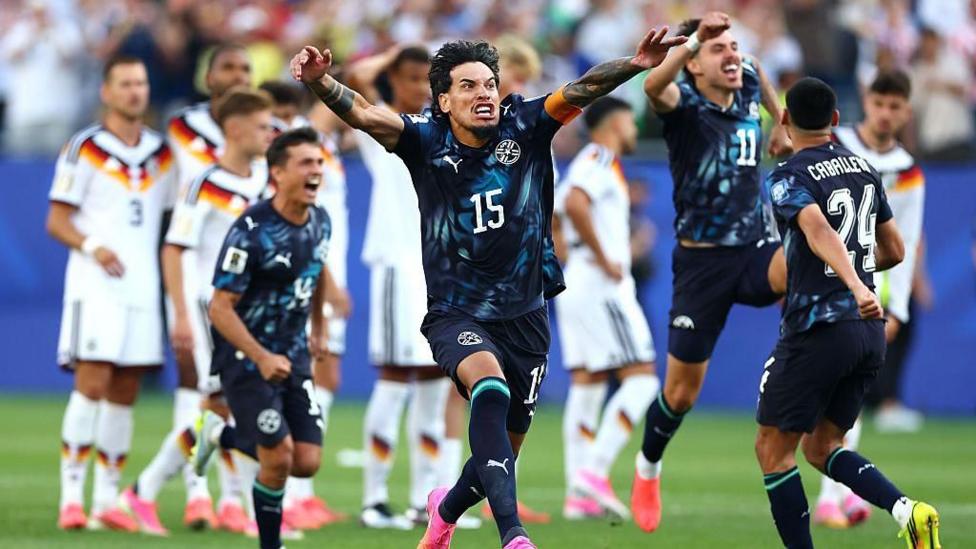
Paraguay's Seismic World Cup Shock Shakes the Continent
Paraguay ignited euphoric celebrations after a historic World Cup shock that redefines their footballing trajectory.
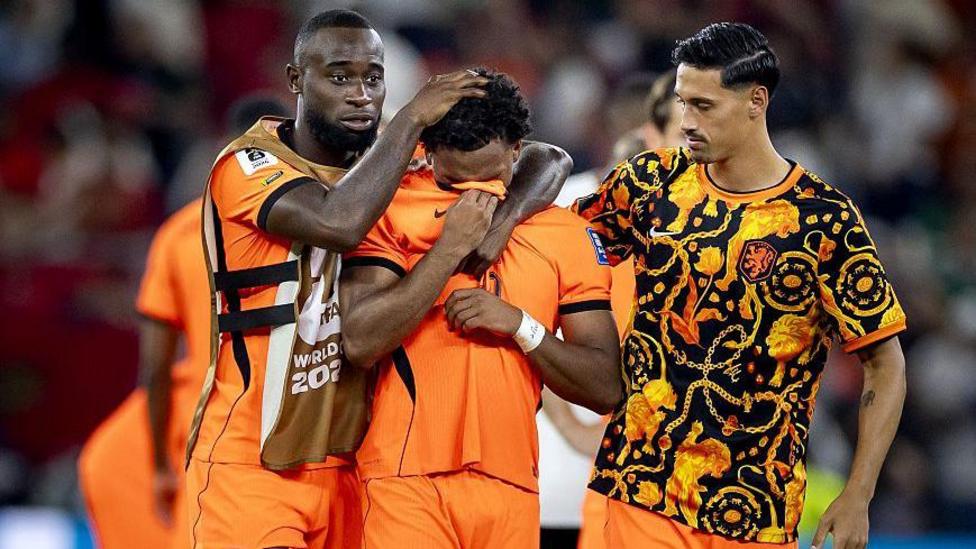
The Beautiful Game's Ugliest Problem Is Getting Worse
FIFA's own monitoring service confirms a sharp spike in severe online racist abuse at the World Cup.

Mbappe Orchestrates France's World Cup Semi-Final Return Against Morocco
Kylian Mbappe's eighth World Cup goal fires France past Morocco and into the semi-finals with a statement performance.