Tuchel Faces Iceland Ghosts as England Enter Knockout Crucible
A decade after the Iceland humiliation, Thomas Tuchel must navigate England through a deceptively dangerous last-32 clash against DR Congo.
Ten years ago, the sky fell in on English football.
Kolbeinn Sigthórsson’s shot crawled underneath Joe Hart. Wayne Rooney looked like a man running through wet concrete. Harry Kane was stationed on corner duty. Roy Hodgson sat in the press conference room, a hollowed-out husk of a manager forced to face the music after the most embarrassing defeat in the nation's sporting history.
Last Saturday marked the 10th anniversary of the Iceland debacle at Euro 2016. For an entire generation of England supporters, that night in Nice remains the ultimate cautionary tale. It is a fever dream that permanently altered the psyche of a football culture. And right now, it is the only history lesson that matters.
The Phantom of 2016
England stand on the precipice of the World Cup last-32. On paper, DR Congo represent a winnable fixture. A stepping stone. A routine progression into the deeper knockout rounds.
That is exactly the fatal mindset that doomed Hodgson's side a decade ago.
"The shadow of Iceland 2016 is all the warning England should need not to take for granted a winnable-looking first knockout game."
Those ghosts do not simply vanish because the manager in the dugout now wears a Chelsea Champions League medal around his neck. Thomas Tuchel is a brilliant tactician, but he is currently trying to orchestrate a severe cultural reset. The German must ensure his squad treats this fixture with the same knife-edge intensity they would reserve for a semifinal against France or Brazil.
DR Congo are not Iceland. They carry their own distinct threat. But the danger is identical: the quiet, creeping assumption that merely showing up will be enough.
The Southgate Bridge
To understand the precipice Tuchel now occupies, you have to appreciate the wreckage he inherited in spirit, if not in person.
Before Gareth Southgate, expectations were subterranean. The national team was a toxic environment paralyzed by fear. Southgate did not just teach England how to win again. He taught them it was legally permissible to cross the halfway line without suffering a collective nervous breakdown.
Beating Colombia on penalties in the 2018 World Cup last 16 was treated as a monumental achievement. And it was. It broke a 12-year drought for knockout victories. It was a massive psychological barrier being smashed with a sledgehammer.
Southgate dragged England from the gutter to the penthouse. Two major finals followed. But the penthouse ultimately lacked the ribbons. The fear was banished, but the final, ruthless edge remained elusive. Now, the transition from nearly-men to unapologetic winners falls to Tuchel.
The Tuchel Doctrine
Tuchel was appointed for precisely this scenario. He is the hired gun brought in to assassinate the lingering doubts. He does not do sentiment. He does not do moral victories.
His tactical blueprint is far more aggressive than Southgate's safety-first structure. Tuchel wants inverted fullbacks strangling the midfield. He wants relentless pressing triggers. He demands a suffocating barrage of chances. It is a system designed to crush lesser opposition early, leaving zero oxygen for a miracle.
Yet knockout football has a habit of chewing up tactical blueprints and spitting them out. All it takes is one moment of defensive miscommunication. One sloppy pass out from the back. One controversial VAR decision. Suddenly, the tactical domination evaporates. The underdog scents blood.
Transfer Intel: The Cost of Failure
The financial and institutional stakes surrounding this fixture are astronomical. An early World Cup exit does not just cause emotional devastation.
- £30 million+ in lost FA prize money and commercial bonuses
- Massive devaluation of the national team's sponsorship portfolio
- A critical hit to the blindly loyal supporter base who pay premium travel and ticket costs
- Potential internal revolt over the astronomical cost of hiring Tuchel and his staff on long-term deals
The Football Association did not hand Tuchel the keys to Wembley for a last-32 exit. They paid premium rates for guaranteed progression. The commercial reality of modern football means even a single round of missed revenue triggers panic at the highest executive levels.
The DR Congo Threat
Dismiss DR Congo at your absolute peril.
They possess the raw, explosive transitional speed that has historically made English defenses severely nauseous. Speed kills. In tournament football, a team that can sit deep, absorb pressure for 70 minutes, and suddenly explode up the pitch via a rapid winger is a lethal weapon.
England will dominate the ball. Tuchel will expect them to have 65-70% possession. But possession without penetration is just a fancy way of walking into a counter-attack. The central defense, whichever pairing Tuchel selects, must be flawless in their spacing.
"Knockout football doesn't care about your reputation. It only cares about the scoreline after 90 minutes. One slip, one switch-off, and the entire tournament narrative flips on its head."
The Weight of the Badge
Tuchel must manage the psychology as much as the tactics. The England shirt still weighs heavily. The players who experienced the back-to-back European Championship final and World Cup quarterfinals carry scars of their own. They know the intoxicating thrill of riding a national wave. They also know the suffocating pressure of a country stopping entirely to watch, expecting deliverance.
Preventing the complacency that ruined Euro 2016 is a daily, hourly task. It requires relentless drilling. It requires instilling a level of clinical, cold-eyed aggression that has occasionally been missing when the opposition refuses to roll over and die.
This is where Tuchel's elite management skills will be tested. The brilliance of his Chelsea side in the 2021 Champions League was not just tactical. It was psychological. He convinced flawed, inconsistent players they were invincible. He must now cast that same spell over England.
The Road Ahead
Survive the last-32, and the landscape opens up.
The path to a potential final becomes significantly clearer. The heavy hitters begin to cannibalize each other in the bracket. Tuchel's detailed planning and pragmatic in-game adjustments become even more lethal in the later rounds. He is a tournament specialist precisely because he treats every minute as a micro-crisis.
But none of that matters if they trip on the first step.
A decade ago, England learned the hard way that arrogance is the ultimate tournament killer. The names on the team sheet mean nothing. The tactical setups mean nothing. The pre-match hype means less than nothing.
DR Congo are not Iceland. But the mathematical lessons of Nice remain coldly identical. Underestimate the moment, and you become the moment. Tuchel knows it. His players must feel it in their bones.
The ghost of 2016 lurks. It is waiting for England to drop their guard just one inch.
Editorial Integrity
This is an original SportPulse article written by our editorial team. All content is independently researched, written, and reviewed by our writers and editors before publication. We do not publish copied, aggregated, or syndicated content.
SportPulse is committed to original sports journalism. Read our editorial policy or contact us with any questions.
More Like This
All football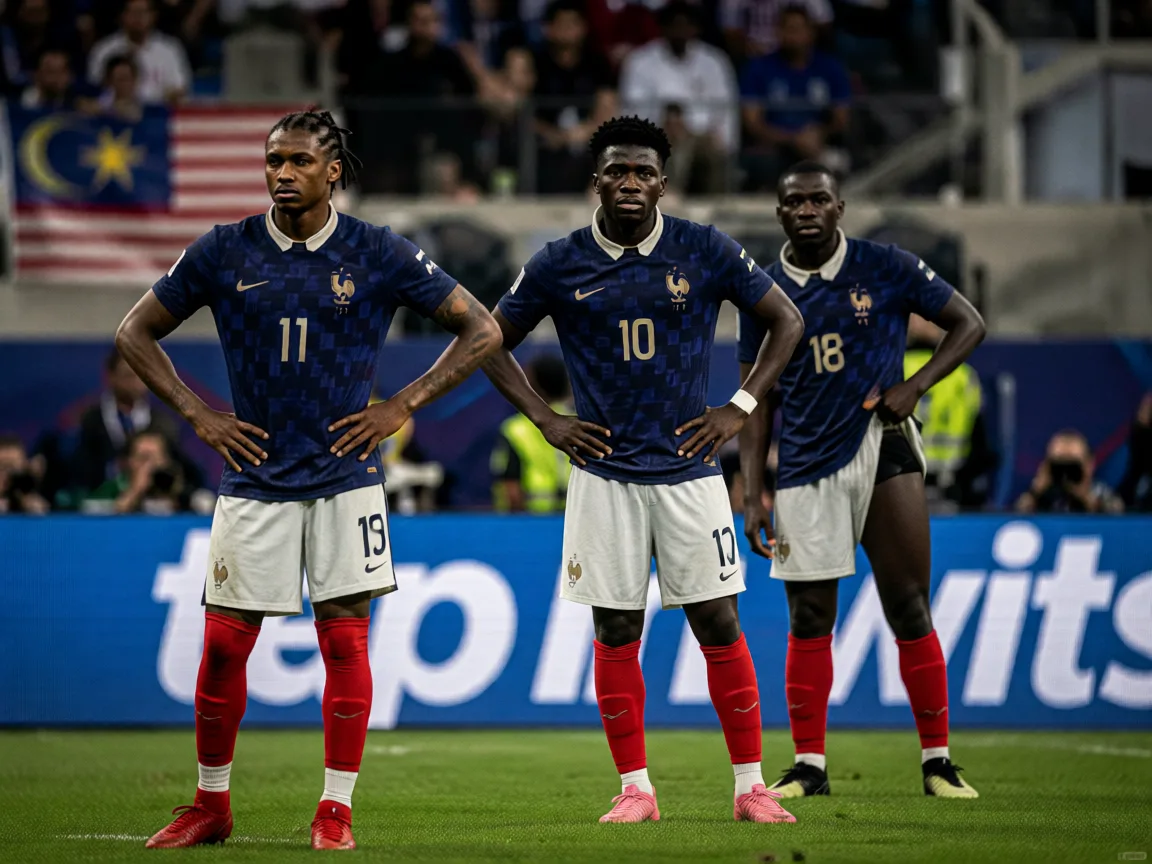
France Found Out: Spain's Tactical Mastery Exposes bleus' Limitations
Spain's tactical coherence exposed France's tactical rigidity in a World Cup semi-final that was more ambush than contest.
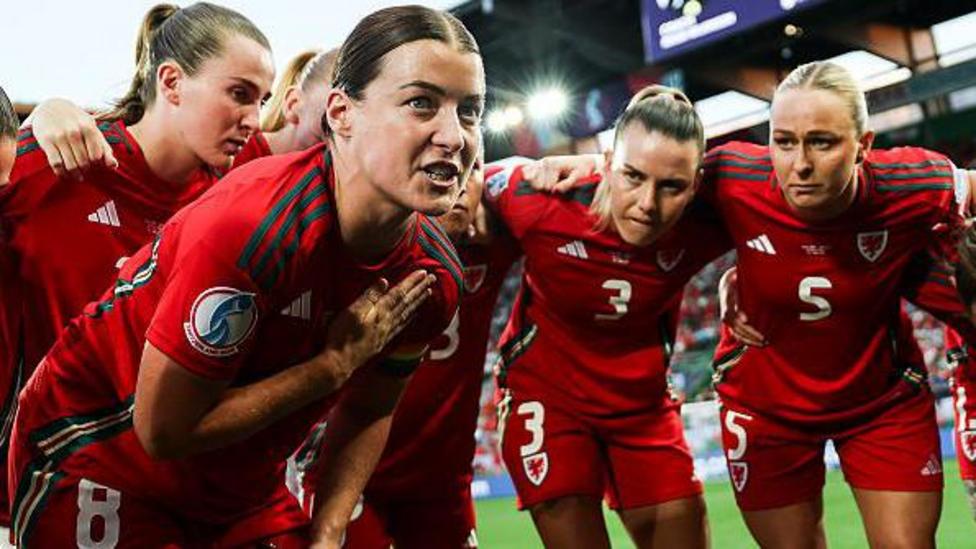
Wales Pushes Uefa to Expand Women's Euros to 24 Teams
The FA of Wales is demanding Uefa expand the Women's Euros from 16 to 24 teams, mirroring the men's tournament structure.
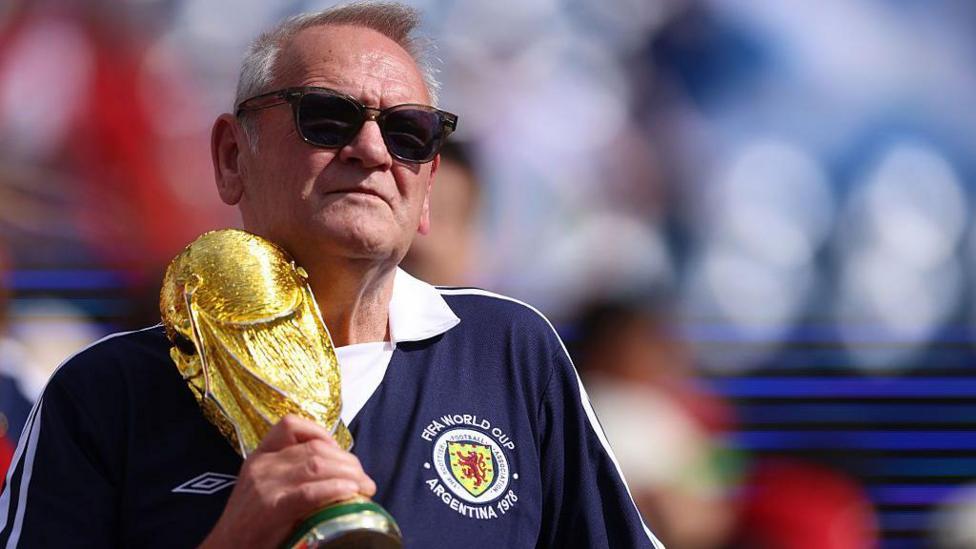
BBC Hunts For Scotland's Lost World Cup Footage
The BBC wants fan-filmed archives from Scotland's World Cup history before the memories fade into obscurity.