Shearen Backs Tuchel: England Boss Deserves Time After World Cup Heartbreak
Alan Shearer defends Thomas Tuchel, insisting the England manager's World Cup semi-final defeat doesn't define his tenure.
The Weight of the Badge
Thomas Tuchel stood motionless on the touchline. The final whistle had blown. England's World Cup dream was over, swallowed by the cruel arithmetic of a semi-final defeat.\n
The cameras found him. They always find the manager. What they captured wasn't a man unraveling. It was something more unsettling for his critics: a coach already processing.
For England, the narrative writes itself with brutal efficiency. Tournament semi-final. Expectation mounting. Heartbreak arriving right on schedule. The default response is to reach for the axe and ask who carries the blame.
This time, the blade hovered over Tuchel.
Enter Alan Shearer. England's record goalscorer. A man who has lived through every shade of tournament agony the national team can inflict.
He didn't reach for the axe.
Shearer's Verdict: Not Finished Yet
Shearer's assessment cuts through the noise with the precision of a striker finding the corner. Tuchel, he insists, will not be fazed by the criticism swirling around England's World Cup exit.
"He won't be bothered by what's being said. He's been through far worse. He knows what it takes."
This isn't blind loyalty. It's recognition of a resume built in European football's most unforgiving environments.
Why Shearen Believes Tuchel Will Survive
The former Three Lions captain has seen managers crumble under Wembley's weight. He watched Fabio Capello freeze. He witnessed the Steve McClaren era disintegrate in the rain.
Tuchel is built from different material.
Shearer's logic rests on the foundation of Tuchel's career arc. This is a coach who navigated Paris Saint-Germain's political minefield. Who arrived at Chelsea mid-season and won the Champions League within four months. Who took Bayern Munich to the brink of a Bundesliga title in a season of institutional chaos.
A World Cup semi-final defeat? That barely registers on the Tuchel stress meter.
Deconstructing the Semi-Final Failure
England's World Cup campaign followed a familiar arc. Group stage dominance. Knockout rounds that tightened nerves. A semi-final where the margins between glory and grief came down to moments.
The numbers paint a picture of a campaign that fell short but wasn't a disaster:
- England reached the semi-final stage of the tournament
- The campaign ended with a single defeat at the penultimate hurdle
- Tuchel's tactical setup drew both praise and scrutiny throughout the competition
The criticism arrives on schedule. The accusation: Tuchel's England lacked the attacking fluidity of their qualifying campaign. The counter-argument: tournament football is management held hostage by fine margins and moments of individual brilliance.
The truth sits somewhere in the uncomfortable middle.
The Tuchel Tactical Prism
Tuchel's England represents a departure from the Southgate years. Where Gareth Southgate prioritized defensive structure and tournament pragmatism, Tuchel brings tactical complexity and risk.
The semi-final exposed England at the junction where tactical ambition meets execution fatigue.
Critics point to Tuchel's seven substitutions in the knockout stages as evidence of overthinking. Tuchel would argue that adapting to match flow isn't chaos; it's calculation.
What the first England chapter under Tuchel reveals:
- A team comfortable in possession but occasionally vulnerable on transition
- Harry Kane's role evolving from pure number nine to deep-lying facilitator
- Defensive structure that conceded goals at the wrong moments
- A squad that appeared to buy into Tuchel's methods despite limited preparation time
These are building blocks, not ruins.
The Pressure Cooker Intensifies
The FA faces a decision. Back Tuchel through the scrutiny or bow to the noise.
English football's instinct after tournament heartbreak is revolution. New manager, new philosophy, new soundbites. The cycle repeats with exhausting regularity.
Shearer's intervention matters because it challenges that instinct. His argument: Tuchel didn't deliver the trophy, but he delivered a team that reached the final four. That foundation deserves to be built upon, not demolished.
"He won't be sitting there worrying about what people are saying or writing. He's too experienced for that."
The subtext reads clearly. If England want to break the tournament cycle, continuity might matter more than catharsis.
What Tuchel Has Proven
His body of work across 18 months in the England setup tells a story of incremental progress:
- England qualified for the World Cup with convincing results
- The tactical framework showed flexibility across multiple formations
- Player relationships appeared strong despite limited contact time
- The squad reached the semi-final stage of a major tournament
These aren't the achievements of a failed experiment. They're the foundation of a project still under construction.
The Road Forward
What comes next defines everything.
Tuchel must process the semi-final defeat with cold tactical honesty. Where did England's structure fracture? Which players froze under pressure? How does he rebuild confidence shattered by another tournament ending in tears?
The answers will shape the next two years.
Shearen's message carries weight because it comes from someone who understands the psychological toll of wearing the Three Lions. The criticism after a World Cup semi-final exit arrives with force. Social media amplifies every mistake. Pundits dissect every tactical decision. Supporters mourn what might have been.
Tuchel has weathered worse storms.
The Bigger Picture
England's World Cup campaign under Thomas Tuchel wasn't the triumph the nation craved. It wasn't the disaster his critics suggest either.
It was a team that reached the semi-final stage of football's biggest tournament. A team that played with tactical intelligence for long stretches. A team that fell short when the margins turned against them.
The verdict belongs to the FA. The judgment belongs to history.
Alan Shearer has made his position clear. Thomas Tuchel's time with England isn't up. The German has laid the groundwork for what could become a defining era.
The FA must decide whether to build on that foundation or tear it down and start again.
шаблонEnglish football's history suggests one answer. Its trophy cabinet suggests they should consider the other.
Editorial Integrity
This is an original SportPulse article written by our editorial team. All content is independently researched, written, and reviewed by our writers and editors before publication. We do not publish copied, aggregated, or syndicated content.
SportPulse is committed to original sports journalism. Read our editorial policy or contact us with any questions.
More Like This
All football
Tuchel Faces the Azteca: England's Altitude Problem
England's World Cup visit to Mexico's Estadio Azteca poses a physiological and tactical challenge Thomas Tuchel cannot simply coach away.

Carbery Returns: Leinster Confirm Fly-Half Homecoming for 2026-27
Joey Carbery heads back to Leinster, reigniting his career at the province where it all began.
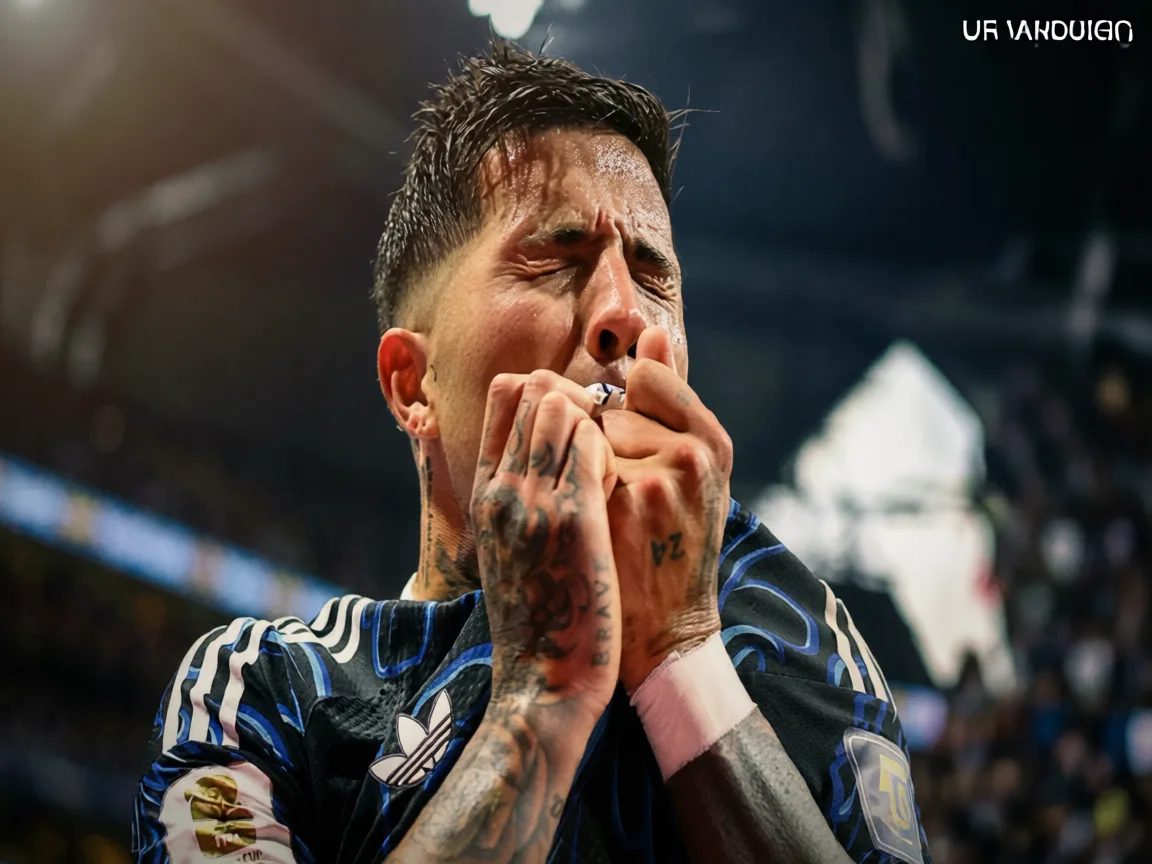
Argentina Capitalize As England Lose Focus In Atlanta Semi Final
England broke shape in Atlanta, allowing Argentina to seize control through relentless tactical discipline.