Tucker Takes the Arm Band as Crisis-Hit Ireland Face India
Lorcan Tucker inherits Ireland's permanent T20I captaincy amid an injury crisis just days before facing India at Stormont.
Lorcan Tucker has been handed the permanent T20I captaincy for Ireland. The wicketkeeper-batter takes the reins at a moment of maximum crisis. An injury-hit squad is all that stands between India and a statement series at Stormont.
This is not a routine administrative update. This is a survival mission disguised as a cricket series. Ireland are down key bodies, down experience, and staring down one of the most ruthless limited-overs units on the planet.
A New Era Under Tucker
Appointing Tucker permanently removes the interim tag that has hovered over the leadership group. He replaces Paul Stirling, who stepped away from the format earlier this year. Tucker now owns the hardest job in Irish cricket: transitioning a squad while winning games against elite opposition.
His first assignment could hardly be less forgiving. India arrive with a squad brimming with IPL pedigree and franchise destruction. Tucker inherits a dressing room stripped of its most experienced campaigners.
The squad announcement read like a medical bulletin. Josh Little, the left-arm pace sensation who lit up the IPL, is unavailable. Craig Young, the workhorse seamer, is sidelined. All-rounder Gareth Delany joins them on the physio's table.
That trio represents Ireland's most potent attacking threat across phases. Without them, Tucker is attempting to plug a dam with his bare hands. The bowling attack loses its enforcer, its controller, and its X-factor.
Inside the home dressing room at Stormont, the air was thick with the smell of liniment and quiet calculation. Support staff rotated whiteboards furiously, sketching out new fields and revised bowling plans. Players who expected to be carrying drinks were now having their jersey measurements checked. Tucker sat in the corner, pad in hand, outlining batting orders to head coach Heinrich Malan. The usual pre-series buzz was entirely absent, replaced by the focused tension of a group that knows the mathematics of survival are stacked against them.
The Tactical Void Ireland Must Fill
Losing Josh Little alone is a devastating blow to Ireland's structural integrity. He is the powerplay enforcer, the left-armer who swings the new ball and attacks the stumps. His economy rate in T20I powerplays over the last 18 months has been the bedrock of Ireland's defensive strategies.
Without Little, there is no obvious candidate to take the new ball. Tucker will have to manufacture early overs from part-time options or throw the ball to seamers thrust into high-pressure roles they rarely occupy. If India's top order sees off the new ball, the middle overs become a target practice session.
Craig Young provided the control element. He hit the pitch hard, squeezed the run rate, and forced false shots. His absence robs the attack of any real pace. The next cab off the rank will likely drop 10-15 kph in sheer speed.
Gareth Delany was the wrist-spin option, the middle-overs disruptor in a format that demands them. India's batters historically devour pace on the powerplay. Without Delany's variations, the Irish spin cupboard looks bare. The hosts will deploy containment fields and pray for mistakes rather than forcing the issue.
What Tucker Brings to the Table
This appointment is not a panic move. Tucker has been a central figure in Ireland's white-ball revolution. He averages over 25 at a strike rate exceeding 120 in T20I cricket. Those are not earth-shattering numbers globally, but in the context of Associate cricket, they represent elite production.
Tucker has the keeping gloves, making him a natural focal point for the side. He stands at the epicenter of every delivery, dictating fields and relaying information from the best vantage point in the ground. His brain processes angles and releases rapidly.
Now he must marry those analytical skills with emotional leadership. A young, fragmented side will look to the captain for cues when India's hitters launch their inevitable assault. Tucker must manage bowlers who are running on fumes and fielders who are playing out of position.
"It's a massive honour to lead the side permanently. The injuries are tough, but they create chances for the next guys to stand up and show what they can do against the very best." — Lorcan Tucker
India's Opportunistic Strike
India arrive with a point to prove and a squad to fine-tune. While they have rested their undisputed first-choice XIs, the talent pipeline is absurdly deep. Any player wearing that blue shirt has franchise cricket pedigree running through their veins.
For the visitors, this is a chance to test middle-order engine rooms and death-bowling combinations ahead of major ICC events. The conditions in Belfast offer bounce and carry, suiting India's aggressive batting philosophy down to the ground.
They will target Ireland's depleted bowling attack from ball one. There will be no easing into the innings or respect-driven nudges for singles. India will come out swinging. In the death overs, expect slog sweeps, ramps, and raw power. Ireland's substitute bowlers have never faced sustained pressure of this magnitude.
The Stormont Factor
Pitch conditions could tilt the balance. Stormont traditionally offers early swing and a tennis-ball bounce. If the clouds gather over Belfast, the moving ball becomes the great equalizer. India's explosive batters can be restricted if the ball hooping around sharply.
Tucker will likely bowl first if he wins the toss. Chasing against a damaged bowling attack is far easier than setting a target with a weakened batting order. Ireland's best chance lies in restricting India to under 160 and relying on their top order to chase it down.
The margin for error shrinks when your bowling reserves are scraped together from the reserves shelf. Every wide and every dropped catch compounds problems quickly. Tucker cannot afford a single tactical misstep.
What It Means
This series marks the dawn of the Tucker era, but the circumstances threaten to bury the narrative before it begins. A heavy defeat inflicted by India could fracture a dressing room already running on depleted manpower. The two T20Is at Stormont are survival exams.
If Tucker marshals his resources cleverly and extracts spirited performances, the psychological wins compound. He establishes authority and proves his tactical flexibility under severe pressure. The injuries are disastrous, but they offer a stark audition. Unknown players get a platform to prove their mettle against elite opponents.
For Irish cricket, the stakes extend beyond these matches. Establishing a new permanent leader allows the selectors to build a core identity around Tucker. It allows younger players to invest their trust in a captain who will be around for the next cycle.
Defeat is highly probable given the absentees. But the nature of that defeat matters enormously. Tucker must ensure Ireland compete aggressively, play bold cricket, and refuse to be intimidated. The permanent captaincy is his. Now he must prove the title fits.
Editorial Integrity
This is an original SportPulse article written by our editorial team. All content is independently researched, written, and reviewed by our writers and editors before publication. We do not publish copied, aggregated, or syndicated content.
SportPulse is committed to original sports journalism. Read our editorial policy or contact us with any questions.
More Like This
All football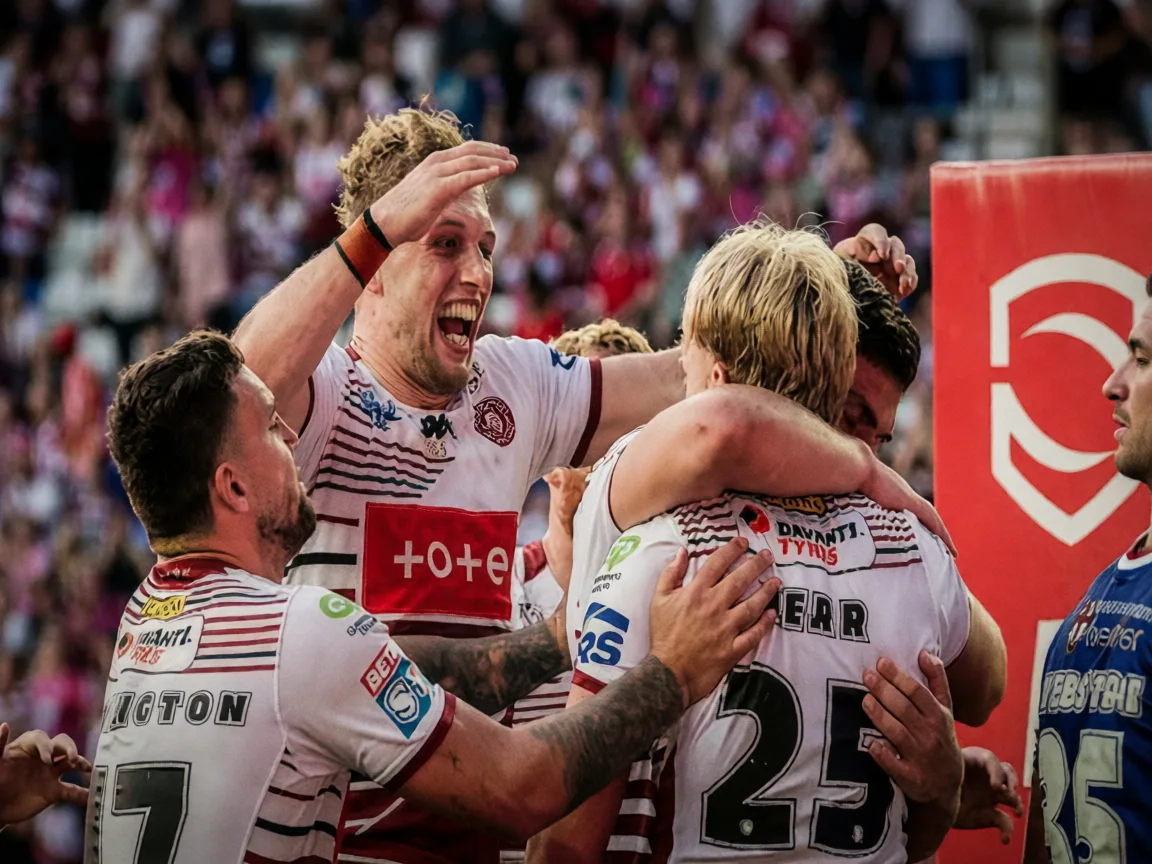
Wigan's Young Guns Fire Four First Tries in Warrington Rout
Four Wigan academy graduates score their maiden senior tries as the Warriors pull clear in second place with a statement win.

The 48-Club Gambit: How FIFA's Expansion Cements a Premier League Power Play
FIFA's Club World Cup expansion to 48 teams is a financial and political coup for Europe's elite, particularly the Premier League.
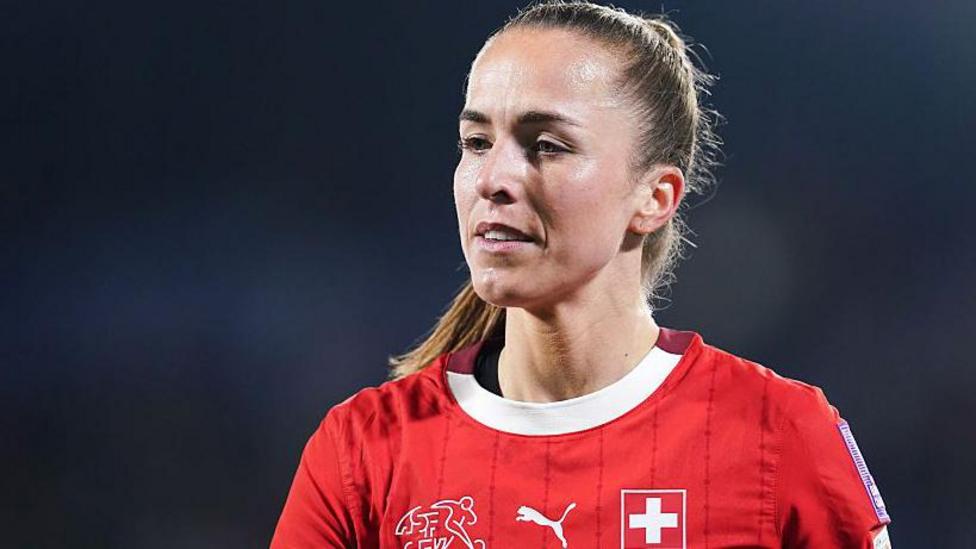
Lia Walti Nears Brighton Move: The Swiss Anchor Set to Redefine WSL's Engine Room
Brighton's advanced talks for Juve's Lia Walti signal a major strategic shift toward veteran leadership and European know-how.