Usyk's Belt Purge: A Strategic Retreat, Not a Farewell Tour
Heavyweight king Usyk vacates all belts, but this is a calculated power play for bigger fights, not a step toward sunset.
The Calculated Maneuver
Oleksandr Usyk didn't lose his belts in the ring. He didn't surrender them after a grueling defeat. He chose to set them down, a move as strategically precise as his footwork. The unified heavyweight champion’s announcement to vacate his WBA (Super), WBO, and IBF titles is not the opening note of a retirement symphony. It’s a deliberate, calculated teardown of the old framework to build a new one on his own terms. In the cutthroat business of modern boxing, this is how a pound-for-pound king extends his reign, not how he ends it.
The decision, while surprising on the surface, follows a clear financial and competitive logic. Usyk's undisputed clash with Tyson Fury in May 2024 was a monumental event, reportedly generating a gate of over $70 million at the Kingdom Arena in Riyadh. The rematch clause, now the most coveted ticket in the sport, dwarfs the value of a mandated defense against a lower-profile contender. By vacating, Usyk sidesteps mandatory obligations and frees himself to pursue the one fight that matters: the sequel with Fury. It’s a move that prioritizes a $100 million+ payday over collecting sanctioning fees from lesser bouts.
The Politics of the Belts
To understand Usyk’s move, you must understand the Byzantine politics of boxing's governing bodies. Each belt (WBA, WBO, IBF, WBC) comes with a mandatory challenger. As undisputed champion, Usyk was facing a firing squad of obligations. The IBF, in particular, was next in line to enforce its mandatory, with Filip Hrgovic as the designated challenger. A fight with Hrgovic, while credible, offers a fraction of the commercial and sporting allure of a Fury rematch.
The bottom line: Usyk is not retiring; he is gaming the system. He is clearing the bureaucratic deck. The belts are bargaining chips, and by returning them to the sanctioning bodies, he removes their leverage. He now operates as a free agent kingpin, negotiating from a position of immense strength. His value is not tied to four pieces of leather and metal; it is tied to being the only man to have defeated Tyson Fury and the lineal heavyweight champion.
The Vacated Throne and the Hungry Pretenders
Usyk’s exit creates a sudden, chaotic power vacuum at the top of boxing’s glamour division. The landscape is now fragmented, with four organizations scrambling to crown new titlists. This benefits no one more than the fighters and promoters who thrive in disorganization.
- Daniel Dubois (IBF): The British puncher, fresh off a brutal KO of Filip Hrgovic, is now the IBF's primary claimant. He represents raw power but is seen by many as a tier below Usyk’s technical mastery.
- Zhilei Zhang (WBO): The 41-year-old Chinese southpaw’s surprising KO of Deontay Wilder put him in prime position. His age makes any reign a brief, exciting interlude.
- The WBA & WBC Picture: These bodies will now initiate processes to crown champions from their respective rankings, further splintering the division.
This fragmentation is the exact scenario Usyk’s team is betting on. It underscores the importance of the undisputed status he once held. The belts, now scattered, will eventually need to be reunited. The most logical and lucrative path for reunification runs directly through a second Usyk-Fury clash for the lineal, undisputed, and Ring Magazine championships. Usyk has cleverly made his own status the only title that truly matters.
The Fury Rematch: The Only Fight That Matters
The entire strategy hinges on one fight. Usyk's legacy, his final financial haul, and his place in history are all staked on a rematch with Tyson Fury. The first fight was a tactical masterpiece. Usyk’s accuracy rate of 40% and his 54 jabs thrown per round compared to Fury’s 33 highlighted his volume and precision. His dramatic ninth-round knockdown nearly ended it, demonstrating the knockout power that exists within his technical shell.
Fury, for his part, showed incredible recovery and will. A rematch offers compelling adjustments: will Fury adopt a more aggressive stance earlier? Can Usyk replicate his late-fight surge? The narrative is rich, and the commercial potential is astronomical. Saudi Arabia’s General Entertainment Authority, which bankrolled the first fight, has already expressed overwhelming interest in a sequel. This is a $150 million event waiting to be signed, a number that makes any mandatory defense look like pocket change.
The verdict: Usyk’s team has performed a masterclass in career management. They have traded guaranteed, lower-value defenses for the unencumbered right to chase a singular, historic payday. In an era of boxing where champions often get trapped by their own titles, Usyk has used his to buy his freedom.
Legacy in the Balance
Where does this leave Oleksandr Usyk in the pantheon of great heavyweights? If he were to retire today, his resume is astonishing: undisputed cruiserweight king, undisputed heavyweight champion, and a two-time Olympic gold medalist. His heavyweight run—defeating Anthony Joshua twice and Tyson Fury once—is a feat of skill and endurance that may never be replicated by a fighter of his size (6’3”, 220 lbs).
But he isn’t done. Vacating the belts is a statement that his story isn’t finished. He is betting on himself to win the rematch and potentially unify the belts once more, this time as the undisputed, universally recognized lineal champion of the world. It would be a coronation of a different order.
The coming months will be a chess match of negotiations, not a boxing match. Usyk, the quiet chessmaster from Crimea, has made the first decisive move. He has cleared the board of all the pawns—those mandatory challengers—to focus squarely on the king. For the fans, this means the only fight worth making is the only fight left to be made. For the belts, they are now mere decoration, waiting to be claimed by the winner of the one true contest. Usyk isn't walking away; he's just changing the game.
Editorial Integrity
This is an original SportPulse article written by our editorial team. All content is independently researched, written, and reviewed by our writers and editors before publication. We do not publish copied, aggregated, or syndicated content.
SportPulse is committed to original sports journalism. Read our editorial policy or contact us with any questions.
More Like This
All long-reads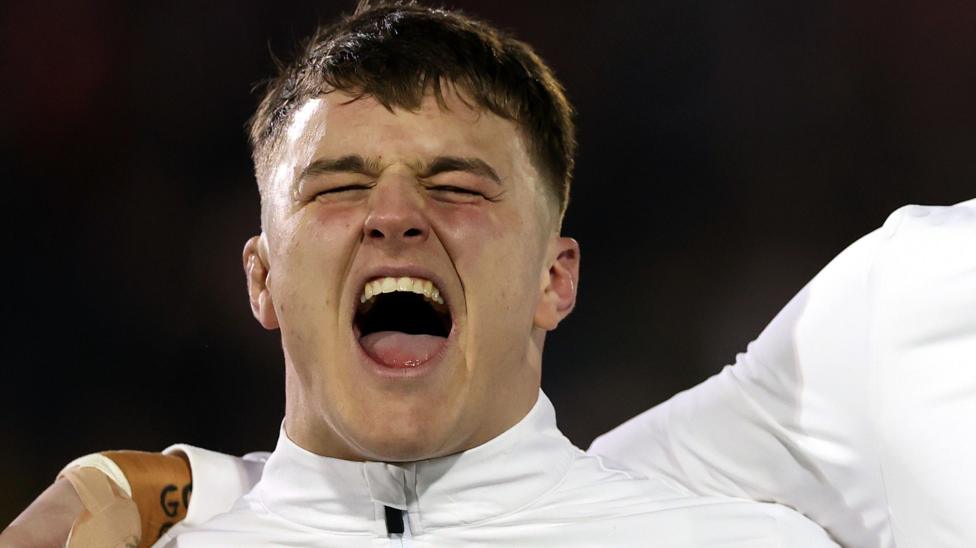
Kelly Red Card Exposes England U20 Tactical Fragility in Semi-Final
Seb Kelly's headbutt dismissal exposed England U20's tactical fragility and ended their World Rugby U20 Trophy bid.
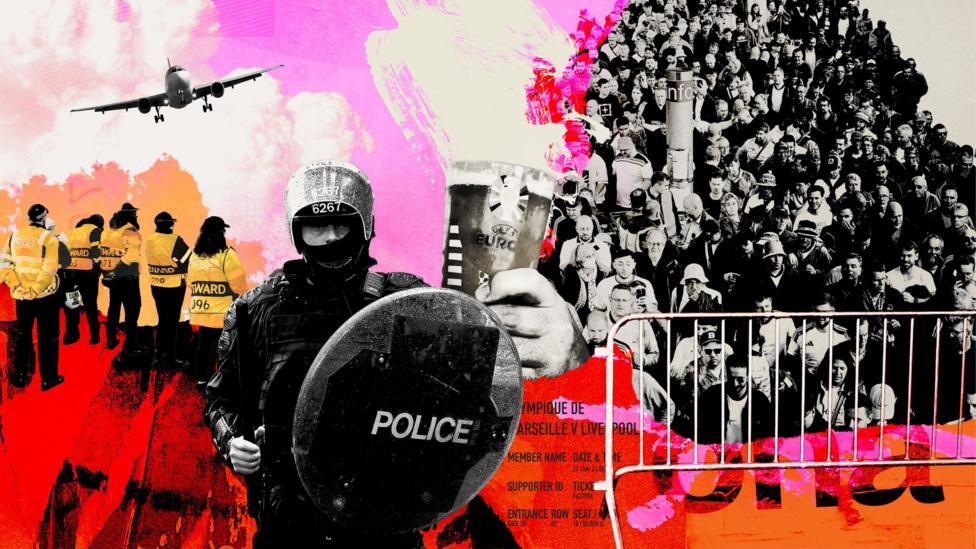
Away Days From Hell: Europe's Fan Safety Crisis Is Getting Worse
From cage-like holding pens to knife attacks, following your team across Europe has become genuinely dangerous.
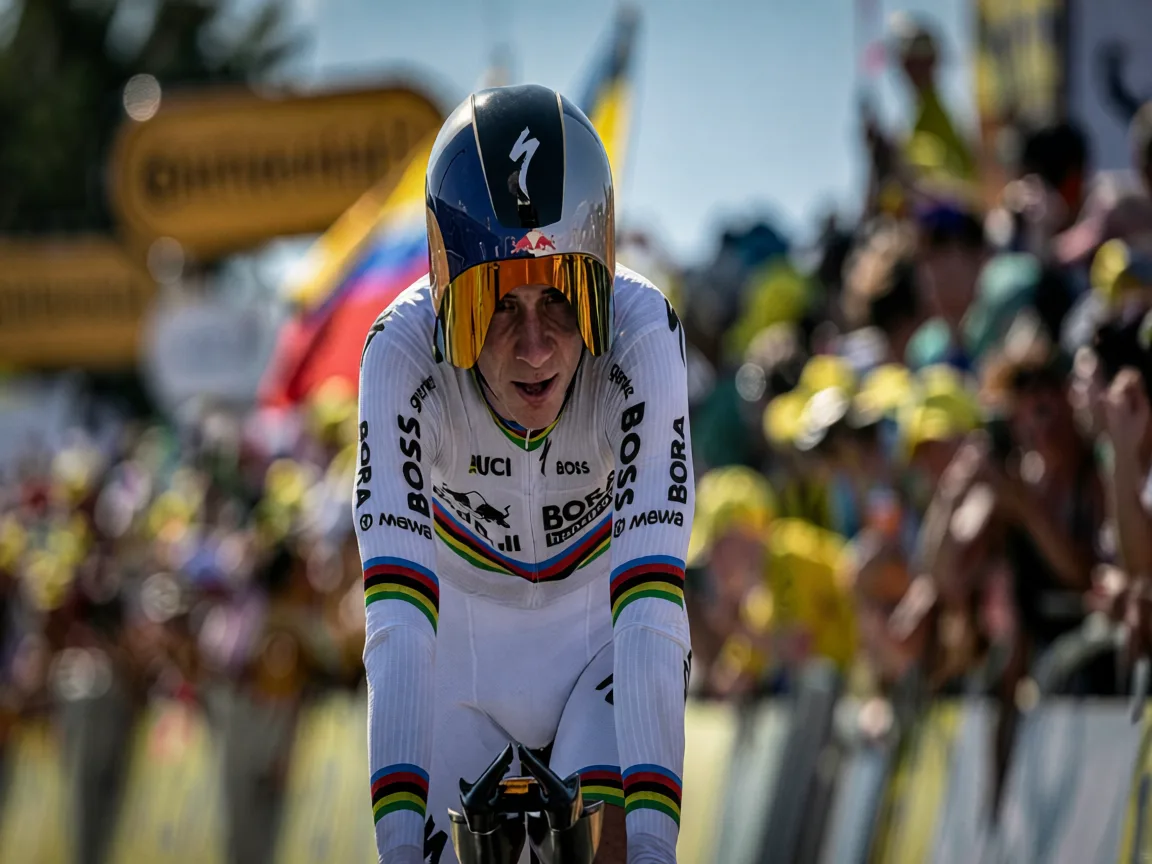
Evenepoel Chips Away at Pogacar With Stage 16 Time-Trial Masterclass
Remco Evenepoel slashes 28 seconds off Tadej Pogacar's Tour de France lead with a commanding time-trial victory.