Van der Poel Conquers 40C Inferno as Tour Stage Shortened
Mathieu van der Poel wins a brutal Tour stage nine shortened by 30km in 40C heat, showcasing extraordinary resilience.
Mathieu van der Poel refused to let a sweltering 40-degree inferno dictate the narrative. The Dutch superstar claimed stage nine of the 2026 Tour de France in gruelling conditions that forced organisers to shelf 30 kilometres of the route. What began as a tactical survival exercise became a masterpiece of power riding under the most oppressive weather of the race so far. Van der Poel's ability to deliver the knockout blow when his rivals were merely counting miles redefined the day's sporting stakes. It was a statement of intent that rippled across the general classification landscape and forced every team director to recalculate their strategy for the days ahead.
The Heat Decision
Race officials faced an unprecedented dilemma as temperatures pushed past the 40C mark across the asphalt. With rider safety depending on the decision, the decision was made to trim 30km from the original stage distance. Such a move is exceptionally rare in modern Grand Tour cycling and reflects the severe physical risk involved in pushing athletes through such an environment. The shortened parcours still demanded desperate respect, but the reduction fundamentally altered how teams approached the day's energy expenditure.
By removing a chunk of racing, organisers inadvertently concentrated the intensity. Rather than a long, grinding attrition test, the stage morphed into a pressure-cooker sprint from the moment the flag dropped. Teams that had planned for a slow burn over the full distance had to scrap their pre-race briefings. The air conditioners in the team buses were working overtime, but they could not cool the nerves of the general classification contenders looking ahead to the Alpine passes.
The Execution
Van der Poel reads races with an intuition that separates the greats from the simply good. When the peloton fractured under the combined stress of scorching tarmac and television-primed accelerations, he positioned himself perfectly at the head of affairs. His timing was surgical, waiting for the exact moment when the chasing group's collective willpower began to fracture before launching his race-winning move. The Dutch rider operates on a different frequency when the pain scales begin to redline. While others tightened up and protected their positions, he leaned into the discomfort.
The power numbers he pushed in the final kilometres would have been remarkable in mild conditions, highlighting an extraordinary physical effort. Doing so when the air itself feels thick enough to chew elevates this into a different category of sporting achievement. His rival teams watched his accelerations with a mix of frustration and grudging admiration as the gap widened beyond the point of plausible return. Van der Poel has always thrived in chaos, and the extreme weather only amplified his natural instinct for aggressive, front-foot racing.
Inside the Team Bus
Back at the Alpecin-Deceuninck bus, the cooling fans were working overtime in a desperate bid to bring the core temperatures of the returning riders back to safe levels. Staff members moved frantically with iced towels and chilled hydration bottles, treating the immediate aftermath of the stage like a medical triage situation. The air smelled faintly of embrocation cream and sweat, a potent mix of ambition and physical exhaustion that lingers long after the television cameras power down. Melted energy gels littered the floor, sticky proof of the frenetic fueling strategies required just to survive the sweltering afternoon. Exhausted mechanics quietly stripped down caked drivechains caked in a grinding paste of dust and sunscreen, working in silence as the magnitude of the victory slowly sank in across the cramped space.
"Sometimes the race comes down to who can suffer the most elegantly. Today, the sun tried to take control of the race, but we had other ideas. The legs were screaming, but you push through that barrier because the peloton behind you is screaming louder."
Tactical Breakdown
The 30km reduction completely reframed the tactical landscape of the ninth day of racing. Directeurs sportif across the peloton had to abandon pre-planned strategies and adapt to sudden moves on the road in real time. The intense heat evaporated energy reserves at a massively accelerated rate, meaning every minor acceleration cost twice the normal physiological investment.
Van der Poel capitalised on this dynamic by riding a race of constant micro-pressures. His team perfectly shielded him from the early wind before he took the reins in the decisive phase. The realistic chase floundered simply because any organised pursuit required a level of collective coherence that the weather actively destroyed. The high temperatures negated the typical advantage held by sprinter teams who usually control the finale. The lack of lengthy recovery periods in the shortened stage meant the pure fast men were dropped early, entirely shifting the stage profile in his favor.
The GC Implications
Behind the stage winner, the general classification picture shifted subtly but significantly. Rivals who might have used the full distance to isolate Van der Poel found themselves on the back foot. The extreme temperatures and shortened stage favoured explosive riders over pure endurance engines, a demographic where the Dutch champion thrives exclusively.
Several overall leaders lost crucial seconds not necessarily through tactical failure but a pure inability to follow accelerations when their heart rates were already pinned well into the red zone. The gaps on the road might seem small when the finishing times are calculated, but the psychological damage of losing time in a transitional stage can compound over the next three weeks of racing. Every second gifted now requires a corresponding investment of physical effort later in the race.
"We knew the heat would break the race open, but you never truly know how it will play out until you're in the thick of it. Going early was the right call. We needed to force the pace before anyone fell completely apart."
What It Means
Van der Poel's victory in stage nine is a stark reminder that Grand Tours are not just won on the high mountain passes or in the time trials. They are won in the transitional stages where extreme conditions force catastrophic errors and fractures in the peloton. This result injects a massive boost of morale into his camp and puts his rivals on high alert for the rest of the Tour.
The brutal physical reality of racing in 40-degree temperatures will leave a lasting mark on the peloton as the race enters its crucial second phase. Recovery becomes the most important currency over the next two evenings, and the riders who spent the most time chasing in the scorching wind will pay a delayed toll on the upcoming climbs. From a wider sporting perspective, the race organisation's decision to shorten the route by 30km will spark ongoing debates about the future of extreme weather protocols in professional cycling.
The union between human ambition and environmental reality is becoming increasingly fraught in modern sport. As global temperatures continue to challenge the boundaries of elite athletic competition, race organisers will face harder choices and earlier interventions. Van der Poel will not care about the philosophical debates tonight, though. He has a stage win from a day when most riders simply wanted to survive, and that dominance is exactly what cements a legacy in the history of the Tour de France.
Editorial Integrity
This is an original SportPulse article written by our editorial team. All content is independently researched, written, and reviewed by our writers and editors before publication. We do not publish copied, aggregated, or syndicated content.
SportPulse is committed to original sports journalism. Read our editorial policy or contact us with any questions.
More Like This
All long-reads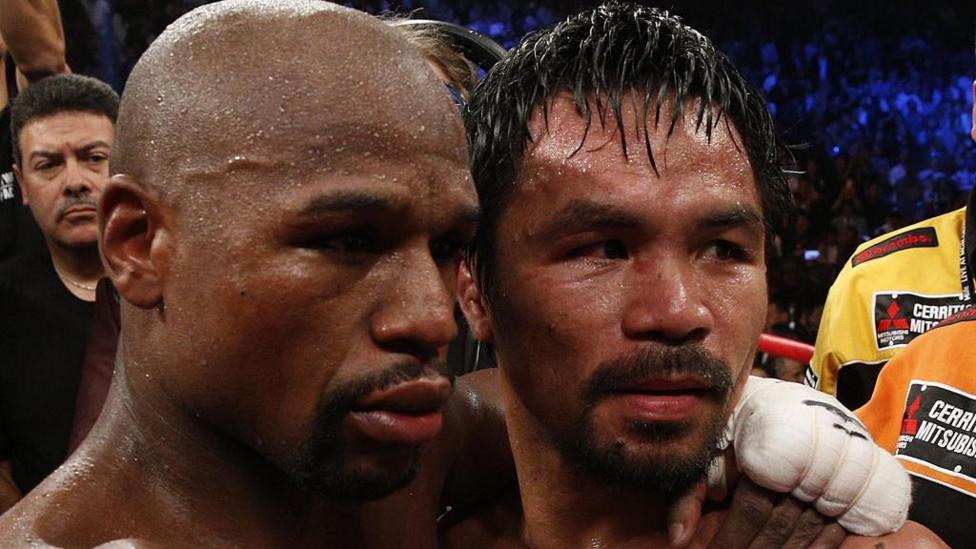
Pacquiao-Mayweather Rematch Dies on the Vine
Contract disputes have pushed Pacquiao-Mayweather II into indefinite purgatory, proving some fights belong firmly in the past.
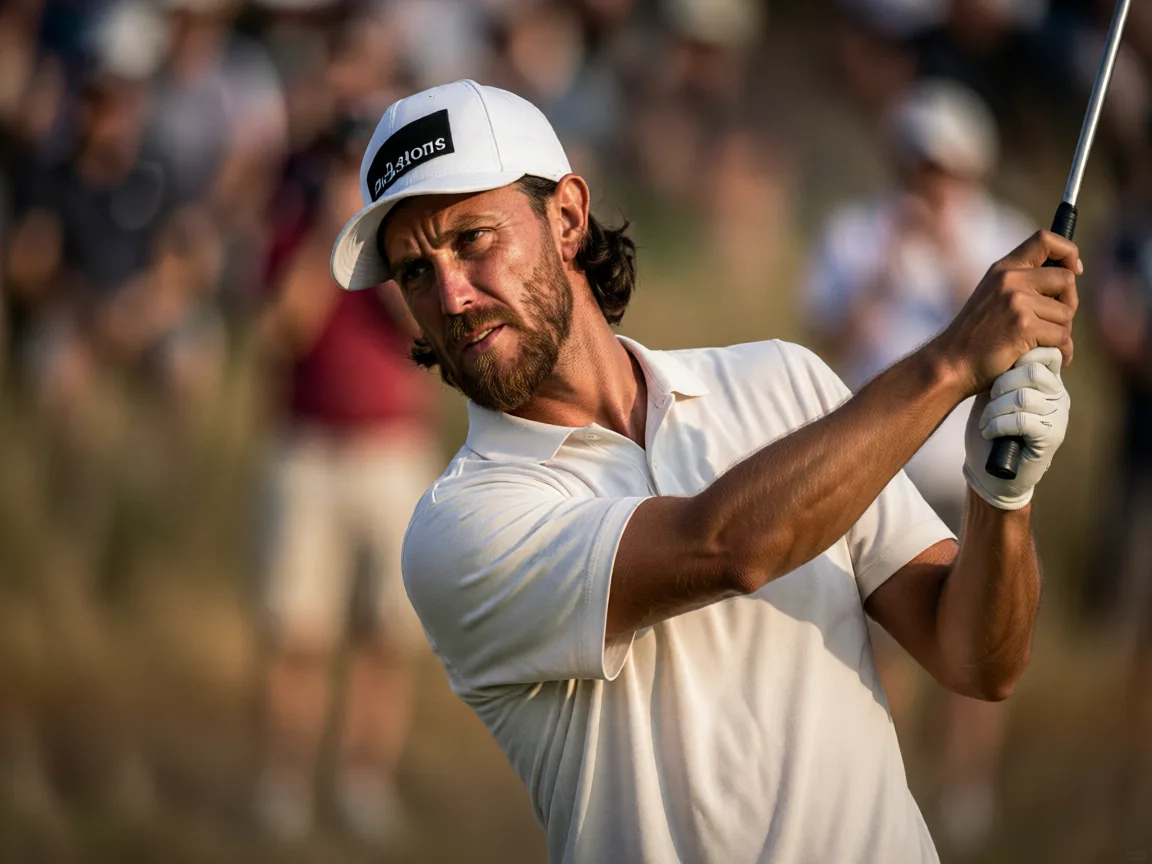
Moving Day Magic: Fleetwood and McIlroy Light Up The Open
Tommy Fleetwood and Rory McIlroy delivered third-round brilliance at the 2026 Open Championship, setting up a Sunday showdown for the ages.
The Midsummer Collision: When Every Sport Demands Your Attention at Once
Wimbledon, World Cup football, and peak cricket season collide in the most demanding week on the sporting calendar.