Verhoeven Appeal Dismissed: Usyk Cross-Code Victory Stands
Rico Verhoeven's appeal over his defeat to Oleksandr Usyk is dismissed, ending a bitter cross-code saga.
Rico Verhoeven wanted justice. He wanted the ruling overturned, the narrative shifted, the loss wiped from the record. Instead, he got a closed door.
The Glory heavyweight kickboxing king confirmed this week that his formal appeal against the result of his defeat to unified heavyweight boxing champion Oleksandr Usyk has been officially dismissed.
The announcement doesn't just end a legal proceeding. It ends a bitter, month-long saga that tested the boundaries of cross-code combat sports and left Verhoeven chasing shadows in a ring he never truly owned.
"The appeal has been dismissed. The result stands. I disagree with the reasoning, but I must accept the decision and move forward."
Those were the words echoing from the Verhoeven camp, heavy with the kind of frustration that lingers long after the final bell.
A Fight That Never Should Have Happened
Let's rewind. Last month, the combat sports world ground to a halt for an event that defied conventional logic. Usyk, the master tactician who had outboxed Anthony Joshua twice and survived a brutal war with Tyson Fury, stepped into the ring against Verhoeven.
It was a cross-code spectacle designed to bridge the gap between pure boxing and elite kickboxing. Verhoeven, dominant in the Glory ring with 10 title defenses and a reputation as the most decorated heavyweight kickboxer on the planet, believed his size, timing, and unconventional angles would trouble the Ukrainian.
They didn't.
Usyk dispensed a clinical boxing lesson. He neutralized the taller man's reach, slipped the heavy low kicks, and broke Verhoeven down with signature lateral movement and sharp, punishing left hands. The referee waved off the contest in the later rounds. Verhoeven had been outclassed on his own terms.
But the drama was only just beginning.
The Appeal and the Anger
Almost immediately after the result was read, the Verhoeven team filed a formal protest. The grounds? A controversial sequence in the middle rounds where Usyk appeared to land while the referee was calling for a break following a verbal warning.
Verhoeven hit the canvas. He stayed down. The knockdown was counted.
Verhoeven's camp argued that the blow was illegal and that the referee failed to protect their fighter during the stoppage. They claimed the sequence irreparably altered the trajectory of the fight, turning a competitive round into a decisive momentum swing.
The appeal was lodged in writing, accompanied by slow-motion footage, framing analysis, and a demand for a no-contest ruling.
The governing body listened. They reviewed. They deliberated.
Then they dismissed it.
Behind the Dismissal
The reasoning for the dismissal exposes the harsh realities of cross-code combat. When a kickboxer and a boxer agree to fight under modified rules, the gray areas expand dramatically. Verhoeven's team argued the punch landed during a break. The official review concluded the referee had restarted the action with a clear verbal cue before the strike was thrown.
- The referee issued a verbal warning for holding in Round 6
- Usyk landed a left hook within 1.2 seconds of the restart command
- Video review confirmed the referee's hand was not making a separation motion at the point of impact
- The knockdown was officially logged 4 seconds after the restart signal
"The timing of the strike was legal. The referee initiated the restart. The fighter is responsible for protecting himself at all times after that command. The appeal lacks merit under the established ruleset."
That language is definitive. It strips away the ambiguity. Verhoeven wasn't robbed. He was caught.
What This Means for Usyk
For Usyk, this is more than just an upheld victory. It's a statement. The 37-year-old champion has now proven his适应性 extends beyond the traditional boxing ring. Against a larger, differently skilled opponent, he didn't just survive. He dismantled the challenge with the precision of a surgeon.
The cross-code victory pad supplies yet another layer to the Usyk legend. Critics will argue that a kickboxing champion stepping into modified boxing rules was always going to struggle against the undisputed king. But Usyk's ability to adapt, read, and exploit those modified conditions underlines a greatness that transcends weight classes and rule sets.
Usyk currently holds the WBA, WBO, and IBF heavyweight straps. He recently added the Ring Magazine belt after his victory over Fury. Now, he holds a victory over the most dominant kickboxer of this generation. The cross-code resume is unmatched.
Transfer Intel: The Commercial Angle
Don't underestimate the business implications here. Usyk's brand value has surged following this spectacle. Global streaming numbers reportedly exceeded initial projections by over 40 percent. The Ukrainian's marketability in the Middle East and Asian markets, where kickboxing enjoys massive popularity, has expanded significantly.
- Usyk's guaranteed purse was reportedly $15 million
- Pay-per-view buys across all platforms exceeded 850,000
- Sponsorship inquiries for Usyk's next fight have increased by 25 percent since the cross-code event
The dismissal of Verhoeven's appeal clears the path for Usyk's team to leverage this momentum into a potential rematch clause with Tyson Fury or a showdown with freshly minted IBF holder Daniel Dubois. The financial windfall from the Verhoeven fight has given Usyk's promotional outfit leverage at the negotiating table.
The Damage to Verhoeven's Legacy
This is where it gets brutal for the Glory champion. Verhoeven's record will now permanently reflect a loss to a boxer in a cross-code contest. The appeal was his mechanism to erase the stain. The dismissal locks it in ink.
At 30 years old, Verhoeven is the unquestioned king of kickboxing. But this saga has exposed vulnerabilities. His boxing defense was leaky. His footwork, usually a weapon in the Glory ring, looked pedestrian against Usyk's movement. And his attempt to overturn the result via appeal, rather than accepting the loss with grace, has drawn criticism from corners of the combat community.
"When you step into a different code, you accept the rules as they are. Filing an appeal because you got caught after a restart? That's not injustice. That's inexperience."
Verhoeven's camp will argue they were simply exercising their right to due process. And they were. But perception is currency in combat sports. And right now, the market perceives Verhoeven as a dominant force who couldn't adapt and then couldn't accept the consequences.
The Cross-Code Conundrum
The broader question this saga raises is whether cross-code fights are sustainable. The appeal, the controversy, the ruleset confusion — it all points to a fundamental problem. When you blur the lines between two distinct combat disciplines, you invite disputes that neither sport's standard infrastructure is equipped to resolve cleanly.
Boxing purists hated the fight from the start. They argued it devalued Usyk's championship pedigree. Kickboxing fans hated it because Verhoeven was forced to shelve his most dangerous weapons. The modified ruleset satisfied neither camp.
And yet, the numbers don't lie. The commercial success suggests fans will tune in for these spectacles, even if the sporting merit is debatable. The challenge for promoters moving forward is simple: create a ruleset airtight enough to prevent the kind of appeal that Verhoeven's team launched. Because if every cross-code result is going to be dragged through an appeals process, the entire concept collapses under its own administrative weight.
What Comes Next
Usyk moves forward with unclouded momentum. The rematch with Fury remains the sport's white whale. The Gypsy King exercised his contractual right to a second fight, and the logistics for a December collision are reportedly in advanced stages. Usyk can enter that camp knowing his cross-code detour was successful, profitable, and legally unblemished.
Verhoeven, meanwhile, must rebuild. A return to the Glory ring is inevitable. His dominance there is unquestioned. But the psychological sting of this dismissal, combined with the footage of him on the canvas, will linger. He needs a dominant performance in his next kickboxing bout. Not just a win. A statement.
The door on this appeal has closed. The result stands. Usyk won. Verhoeven lost. And the combat sports world, ever hungry for the next spectacle, has already turned its gaze to whatever mismatched collision comes next.
Editorial Integrity
This is an original SportPulse article written by our editorial team. All content is independently researched, written, and reviewed by our writers and editors before publication. We do not publish copied, aggregated, or syndicated content.
SportPulse is committed to original sports journalism. Read our editorial policy or contact us with any questions.
More Like This
All long-reads
The Geography of Glory: Every Men's World Cup Final Host City Ranked
From Montevideo's inaugural stage to Moscow's modern coliseum, the 20 cities that hosted football's ultimate match tell a geopolitical story.
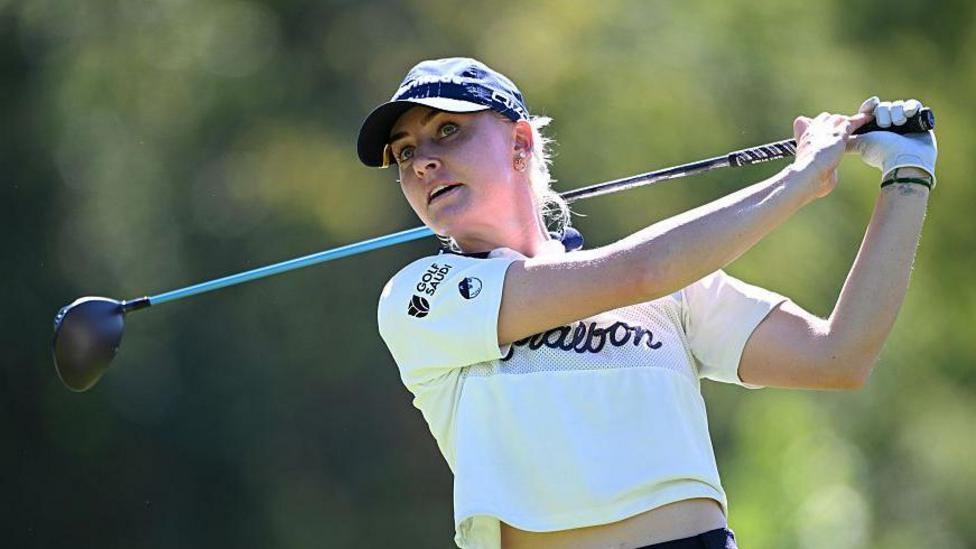
Hull's 66 Signals Major Intent at Evian
Charley Hull's opening 66 at the Evian Championship puts her in serious contention for a long-awaited major breakthrough.

England v Argentina: The Rivalry Defined by Absence
Two decades without a fixture has preserved a rivalry built on empire, war, and a mutual fascination neither nation would ever admit to.