Wafcon 2026: Morocco's Delayed Tournament and the Contenders Waiting
Africa's flagship women's tournament finally kicks off in July with hosts Morocco under pressure and Nigeria chasing restoration.
A Calendar Casualty Finds Its Window
The 2026 Women's Africa Cup of Nations kicks off on 26 July in Morocco, ending a delay that pushed the continent's flagship women's tournament more than a year past its original scheduling intent. The Confederation of African Football has consistently struggled to slot Wafcon into a cluttered international calendar. The delay has given several nations extra time to professionalise domestic structures and move players into European leagues.
Morocco's selection as host is no accident. The Royal Moroccan Football Federation invested heavily in women's football infrastructure leading into the previous edition, and they retain the hosting rights for 2026. That continuity means familiar venues, established logistics, and a fanbase already warmed up from the last tournament cycle.
Twelve Teams, Three Groups, European Pre-Season Timing
CAF has not finalised the full group-stage draw at the time of writing, but the tournament's structure follows the established Wafcon blueprint. Twelve teams divided into three groups of four, with the top two from each group plus the two best third-placed sides advancing to the quarter-finals. That format rewards squad depth more than outright star power. A slow start in the group phase can still be survived, but injuries in the knockout rounds expose thin benches quickly.
The 26 July start date places the tournament squarely in the European pre-season window. Most of Africa's top talent now plays their club football in France, Spain, England, and Germany. The timing is a compromise: players arrive either fully rested from summer breaks or slightly undercooked depending on when their club seasons concluded. National-team coaches will have roughly two to three weeks of preparation camp before the opening fixture, enough to install a tactical system but insufficient to build match fitness from scratch.
Morocco's Home Pressure and the Nigeria Measuring Stick
Morocco carries the weight of expectation that every host nation shoulders, but their situation is more complex than simple home advantage. At the last Wafcon, the Atlas Lionesses reached the final, a run that shifted perceptions of women's football in North Africa. That performance earned respect; this edition demands a trophy.
Head coach Jorge Vilda, appointed in 2023, has brought tactical discipline and a European coaching philosophy to a squad that blends domestic-league players with professionals operating in France and Spain. The midfield construction will dictate how far Morocco travels in this tournament. Ghizlane Chehream and Salma Aallali provide structural control, but the hosts need more incisive final-third play than they showed in recent friendlies.
Nigeria remain the measuring stick, and the rivalry shapes the entire tournament bracket. The Super Falcons have won nine of the previous 12 Wafcon editions. Recent iterations have been closer. Nigeria still produces the deepest talent pool on the continent, but the gap to Morocco, South Africa, and Zambia has narrowed measurably. The Super Falcons' attack relies on pace and transition, and Morocco's back line will face its defining test in any hypothetical semi-final or final meeting.
Contender Ranking
- Nigeria — deepest squad, most tournament pedigree, but internal coaching direction has been inconsistent.
- Morocco — home advantage, tactical structure under Vilda, and the crowd momentum from a successful previous cycle.
- South Africa — reigning champions from the last edition, technically sound, and capable of controlling tempo against any African opponent.
- Zambia — physical and direct, with Barbara Banda offering a genuine tournament-winning profile at striker. Their ceiling is high; their floor is lower than the top three.
- Ghana — rebuilding but historically dangerous. A dark-horse semi-final pick if the draw breaks kindly.
South Africa's Title Defence and the Defensive-Block Problem
South Africa arrive as the defending champions, and that status changes how opponents approach them. Desiree Ellis has built a side that prioritises defensive shape and counter-attacking precision. Banyana Banyana's possession numbers are rarely dominant, but their shot conversion in transition is among the best on the continent. The challenge for Ellis is that opponents now sit deeper against South Africa, denying the transition spaces that fuel their attack. Breaking down low blocks has not been this squad's defining strength.
The South African domestic league has strengthened, but the national team's core still leans on players operating abroad. Thembi Kgatlana remains the most dangerous wide attacker in African football when she isolates defenders one-on-one. How Ellis structures the press to win the ball higher up the pitch will determine whether South Africa controls knockout matches or spends them chasing.
Zambia, Ghana, and the Second Tier's Margin
Zambia's Barbara Banda is the single most decisive individual in the tournament. Her physical profile and finishing ability can settle matches that Zambia has no right to win on overall play. The Copper Queens lack the midfield control of Nigeria or Morocco, but Banda's presence converts them into a side that punishes any defensive lapse. If the draw places Zambia on the opposite side of the bracket from Nigeria and Morocco, a semi-final run is realistic.
Ghana sit just below the top four, and their recent form suggests a team caught between generations. The Black Queens have produced tournament runs in the past, but their squad lacks the cohesion of the CAF's top tier. A favourable group draw and a single upset result in the quarter-finals could put Ghana into a semi-final, but anything beyond that would require overperformance relative to their underlying metrics.
Set-Pieces, Midfield Control, and Bench Depth
Three tactical threads will shape this tournament more than individual storylines. First, set-piece efficiency: African women's internationals remain disproportionately decided by dead-ball situations, and the nations with the best organised routines will progress. Second, midfield control against transition: the teams that can retain the ball under pressure without becoming vulnerable to counter-attacks will control the knockout phase. Third, squad depth during the group-to-knockout transition: the format's allowance for the two best third-placed sides means some quarter-final matchups will punish group winners who drew the short straw in opponent quality.
Morocco and Nigeria are the two sides best equipped across these three areas. South Africa can match them in the first two but lack the bench depth of the hosts. Zambia and Ghana remain dependent on specific match contexts breaking in their favour.
Morocco's to Lose
This tournament is Morocco's to lose. The combination of home advantage, institutional investment, and a tactically sophisticated coaching staff gives the Atlas Lionesses their strongest position in the nation's history. Nigeria's pedigree cannot be dismissed, and writing off the Super Falcons in any African women's tournament is historically unwise. South Africa will contend if they solve the defensive-block problem that derailed their inconsistent post-title friendlies.
Expect a Morocco-Nigeria final on the weekend of 16-17 August, with the hosts edging a tournament decided by set pieces, squad rotation, and the mathematics of playing in front of their own supporters.
Editorial Integrity
This is an original SportPulse article written by our editorial team. All content is independently researched, written, and reviewed by our writers and editors before publication. We do not publish copied, aggregated, or syndicated content.
SportPulse is committed to original sports journalism. Read our editorial policy or contact us with any questions.
More Like This
All football
Gunn's San Jose Debat Ends in Four-Goal Orlando Rout
Scotland goalkeeper Angus Gunn conceded four on his San Jose Earthquakes debut, a nightmare MLS return after the World Cup break.

Alonso's First Week at Chelsea: Secret Friendlies and Youth Shockwaves
Xabi Alonso is reshaping Chelsea's culture before a ball is kicked, mapping a pre-season built on secrecy and youth auditions.
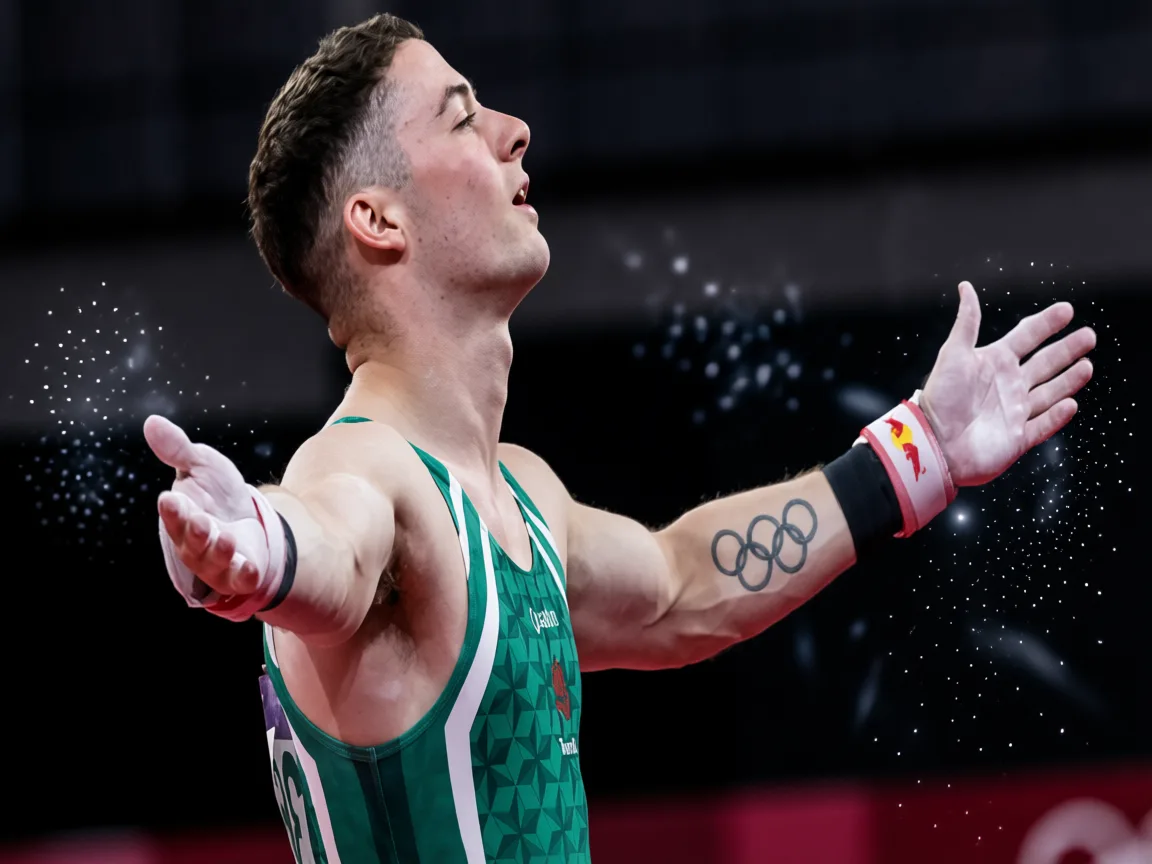
McClenaghan targets pommel horse final after qualifying reflection
Irish gymnast Rhys McClenaghan assesses his Commonwealth Games pommel horse qualifying performance ahead of the final.