Wales Set for Brutal Squad Cut Ahead of Nations Championship
Steve Tandy will slash his Wales squad to 32-34 players next week, triggering a fierce selection battle for Nations Championship spots.
Steve Tandy is sharpening the axe. The Wales head coach confirmed that the preliminary squad for the upcoming Nations Championship will be slashed to between 32 and 34 players early next week. The projection of a new tournament means the margin for error is effectively zero. Players on the fringe have only days of training to force their way into Tandy's final plans.
This reduction is not a routine trimming of the fat. It is a calculated maneuver designed to intensity competition and cement tactical identity. Moving from a bloated training group to a match-day core forces immediate accountability. The coaching staff will assess every physical and mental detail under extreme pressure.
The Tactical Squeeze
Reducing the roster to a maximum of 34 signals a shift in how Tandy wants to operate. A smaller squad demands supreme versatility from those who survive the cut. Every player must be capable of executing multiple roles within the Welsh system. This is about building a specialized strike force, not a comfortable training camp.
The numbers game poses a brutal reality for several position groups. In the forwards, Tandy must balance raw scrummaging power against work-rate in the open field. Carrying fewer locks means the back-row must compensate incredibly in the lineout. Expect the final roster to heavily favor hybrid forwards who can slot in seamlessly across the pack.
In the backline, the selection battles will be particularly vicious. A 32 to 34 player limit leaves almost no room for defensive liability or one-dimensional attackers. Tandy needs backs who can cover multiple positions without a drop in intensity. The tactical framework for the Nations Championship requires flawless spacing and rapid transition. Only the most tactically disciplined will survive the week.
The Atmosphere in Camp
Inside the Wales training camp, tension is visceral. Coaches watch positional drills with forensic intensity, occasionally exchanging clipped observations on the sideline. Every dropped ball in a contested drill feels magnified. The weight of the impending cut hangs heavy over the facility. Players who were previously secure in their spots are glancing over their shoulders.
The locker room after the morning session was hushed. Training tops were pulled off in near silence. Only the thud of boots hitting the floor and the snap of tape being ripped punctuated the air. A veteran leader clapped his hands once, demanding focus for the upcoming video review. Nerves are completely frayed.
"We have to make the tough calls early. The Nations Championship demands a squad that is totally tight and totally aligned. We cannot carry any passengers."
Who Holds the Edge?
Versatility is the ultimate currency in this selection process. A player who can perform at an elite level in two distinct positions effectively takes up 1.5 roster spots instead of one. For Tandy, that mathematical advantage is crucial. Men who cover both blindside and Openside flank, or wings who can step into fullback, hold a massive advantage.
Youth also presents a fascinating dilemma. Injecting young legs into a grueling tournament setup provides vital energy, but experience usually prevails in high-stakes international rugby. Tandy must decide whether to bank on proven veterans who have survived these wars before, or back uncapped phenoms who can change a game in a solitary breakdown.
Set-piece reliability cannot be overlooked. The Nations Championship will feature the most brutal forward battles in the northern hemisphere. A prop who cannot anchor a scrum under severe pressure will not make the final 34. The same applies to lineout operators who struggle with precision under fatigue. Technical flaws equal immediate dismissal.
Historical Context and Tournament Stakes
Wales has historically fluctuated between expansive, high-tempo play and pragmatic, territorially dominant rugby. The Nations Championship requires a flawless blend of both. A compact squad of 32 to 34 prevents the tactical flexibility that a larger roster offers. Tandy is firmly betting that supreme cohesion will consistently outlast disjointed versatility.
This tournament represents a massive opportunity for Wales to assert dominance against tier-one nations on a consistent schedule. Every match is a crucial test of depth and resilience. A trimmed squad places immense pressure on the starting fifteen to stay healthy, but it also fosters an unbreakable elite mentality. The players who make the cut will know they are the absolute chosen few.
The physical toll of international rugby demands deep reserves anyway. Front-row injuries are almost guaranteed over a full tournament. Tandy's final 34 must include props who could realistically start in a final on day one. Carrying a passenger who is only there for emergency cover is a luxury Wales simply cannot afford in this format.
What It Means
Slashing the squad to 32 or 34 players is a definitive statement of intent from Steve Tandy. He is prioritizing elite-level cohesion over comfortable depth. The players left out next week will face a devastating blow to their international aspirations. Those who survive will be forced into a brutal, high-performance crucible where complacency is impossible.
For Wales, the Nations Championship will ultimately be defined by how quickly this streamlined group adapts to adversity. Injuries and suspensions will inevitably strike. When the crisis hits, the slimmed-down squad must respond with immediate aggression and total unity. Tandy is building a razor-thin, highly specialized unit designed to cut through the tournament without hesitation.
Editorial Integrity
This is an original SportPulse article written by our editorial team. All content is independently researched, written, and reviewed by our writers and editors before publication. We do not publish copied, aggregated, or syndicated content.
SportPulse is committed to original sports journalism. Read our editorial policy or contact us with any questions.
More Like This
All football
The Art of Guessing a Footballer Without Seeing the Name
Premier League player identification games separate the casual watcher from the obsessive. Here is how to solve them fast.

The Tartan Army's Boston Invasion Is Exactly What the 48-Team World Cup Was Built For
Scotland's joyful fans and a 36-year wait for victory make the strongest case yet for expansion.
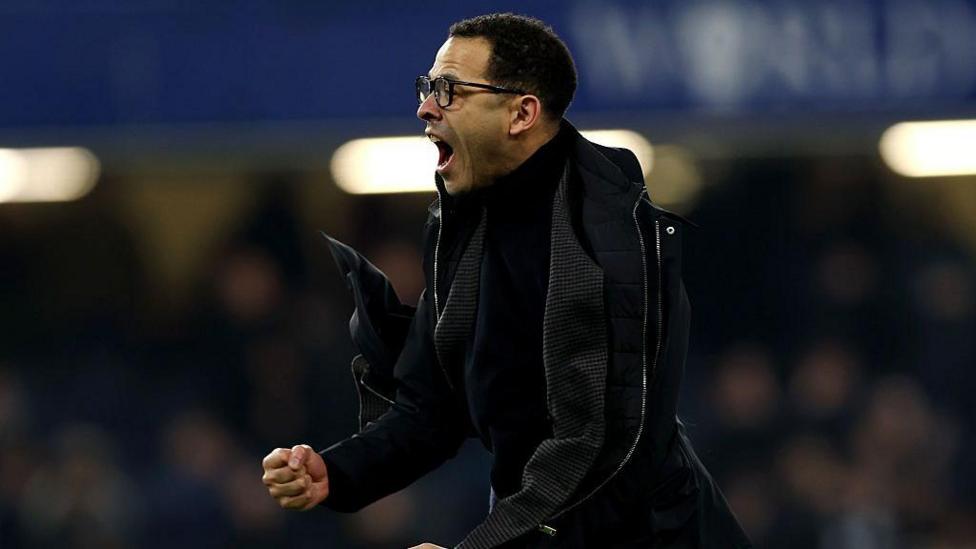
Rosenior’s Tactical Revolution at Paris FC
Liam Rosenior brings structured possession and high pressing to Ligue 1's Paris FC after his Chelsea exit.