Wales Survive Fiji Chaos in Nations Championship Opener
Six tries and a 15-point margin mask an uncomfortable truth about Wales against Fiji's trademark physical anarchy.
A 39-24 scoreline suggests comfort. A six-try haul suggests dominance. Neither tells the full story of a Nations Championship opener that saw Wales momentarily resemble a side capable of controlling the uncontrollable before reminded that Fijiement rarely stays tame for long.
Promise and Peril in Cardiff
The Nations Championship arrived in the Welsh capital with the promise of a new competitive framework for international rugby, but the opening fixture quickly reverted to a familiar narrative. Wales, deploying a refreshed backline and a maturing pack, built a substantial lead against a Fiji side whose structural ambition continues to outpace their tactical discipline.
Warren Gatland's blueprint was evident from the early exchanges. The Welsh tight five established a narrow but persistent advantage around the fringes, creating quick ball for halfback pairing that frequently caught the visiting defence on the back foot. The pattern was stark in the opening quarter, with Fiji's larger carriers forced into chasing a game played at a tempo they were reluctant to engage with.
By the interval, Wales had crossed the chalk multiple times, their attacking efficiency a sharp departure from an autumn campaign that had lacked clinical finishing. The usually frugal Fijian defence had conceded two tries inside the opening 25 minutes, with a further extension of the lead arriving before the break. The Welsh back three were deeply involved, countering from deep against a fragmented kick chase, a tactical edge that contributed to a 100% line break rate in the opening period.
The initial quarter was as comprehensive as any period of international rugby Wales have produced in the past year, blending physicality with genuine attacking ambition.
The First Half Dominance
The statistics from the opening half illustrate a team that executed a game plan under pressure:
- 24 points scored before the interval, a commanding total against Tier One opposition at home
- Three line breaks created from set-piece platforms
- A colossal 88% territorial share during the peak dominant period
- 0 turnovers conceded inside their own 22
The Fiji Resurgence
The second half forced a recalibration. Fiji, as is their historical habit, refused to comply with terminal narratives. The Pacific Islanders reorganised their defensive width in the second period, utilising aggressive shooting from the inside channels to disrupt the Welsh runners committing to the gain line.
The result was a 15-minute window where the Fijian pack dismantled the Welsh scrum, generating a succession of penalties and field position that was clinically converted into a brace of tries. This sudden shift in momentum was triggered by tactical substitutions from the Fijian bench, which introduced hard-running forwards and quickened the tempo at the breakdown.
Discipline Meets Anarchy
The second-half performance was a masterclass in the duality of Fiji's rugby identity. Incisive handling from deep put the Welsh back three under sustained stress. The visitors scored two tries inside 12 minutes to reduce a daunting deficit to a perilously narrow margin. A sudden drop in Welsh defensive line speed, combined with erratic tactical kicking, invited pressure that had seemed unimaginable at the interval.
Fiji's attacking framework, however, remains their greatest strength and their most glaring weakness. The very ambition that enables scintillating offloads and impossible angles also produces handling errors at crucial moments. Two promising Fijian counter-attacks were extinguished by forward passes, with a further breakdown turnover resulting from a failure to commit adequate support runners. It is the fundamental tension at the heart of their playing style.
Verdict: Fiji's second-half resurgence was both magnificent and doomed. Their systemic flaws make them the most compelling team in world rugby, yet those flaws consistently prevent them from achieving the results their talent warrants.
Gatland's Gamble: Depth and Development
The tactical architecture of the Welsh performance warrants deeper inspection. Gatland's selection throughout this Nations Championship cycle has prioritised building depth across the squad. The introduction of younger, less experienced players into the matchday squad is a calculated risk, one exposing the side to the erratic rhythms of international rugby. This opener provided a healthy dose of both reward and warning.
The back row was the designated engine room, pilfering three turnovers at the breakdown and slowing Fijian possession throughout the second half. The backline alignment, however, occasionally lacked the cohesion required against a blitz defence, Wales forced into lateral running lines that neutralised their own flankers.
The Numbers Behind the Narrative
Key performance indicators illuminate the statistical balance of power:
- 39 points scored from six tries, averaging a try every 13 minutes of active play
- 84% tackle completion for Wales, dipping notably below their seasonal average of 87%
- 12 penalties conceded by Fiji, continuing their historical indiscipline trend from the autumn window
- 94% scrum success for Wales on their own feed, a crucial platform determinant
What This Means for the Nations Championship
The tournament itself demands contextualisation. The Nations Championship has been introduced as a modernised structure to infuse meaning into the traditionally barren autumn international window. For a Wales side transitioning personnel, the format provides a high-stakes environment to accelerate the development of their emerging talents.
The victory delivers a crucial five match points and an early psychological foothold in the pool standings. The 15-point margin, while comfortable on paper, will concern the Welsh coaching staff given the second-half drop-off. In a tournament format where points difference may serve as the ultimate tiebreaker between evenly matched sides, surrendering 24 points at home is a blemish on an otherwise positive opening statement.
Fiji, conversely, depart Cardiff with arguably more important takeaways. The second-half restorative performance, building on the foundation of forward power, provides a strategic blueprint for the remainder of their campaign. If they can marry their attacking genius with the defensive starch shown early in the second period, they remain a dangerous proposition for any side in this tournament.
The Road Ahead
Wales now turn to the next fixture with a clear set of required improvements. The capacity to manage the game when ahead, clinical closing out of fractured matches, and the restoration of a dominant defensive line speed will dominate the review sessions this week.
Fiji face a sterner examination of their discipline in the coming weeks. The challenge is not talent identification for this squad, it is the refinement of that talent into a consistent, repeatable international system. Until they resolve that tension, they will remain rugby's most entertaining Nearly Men.
The Bottom Line: Gatland's Wales passed their opening examination with merit, but the second-half wobble against Fiji demonstrates that the learning curve remains steep. A six-try win is a foundation, not a conclusion.
Editorial Integrity
This is an original SportPulse article written by our editorial team. All content is independently researched, written, and reviewed by our writers and editors before publication. We do not publish copied, aggregated, or syndicated content.
SportPulse is committed to original sports journalism. Read our editorial policy or contact us with any questions.
More Like This
All football
Messi vs Ronaldo: The Rivalry That Rewrote Football's Record Books
For nearly two decades, two extraordinary talents pushed each other to heights nobody thought possible.

Infantino's 64-Team World Cup Gamble Threatens Football's Soul
FIFA eyes expanding the 2030 World Cup to 64 teams, prioritizing revenue over quality and risking tournament integrity.
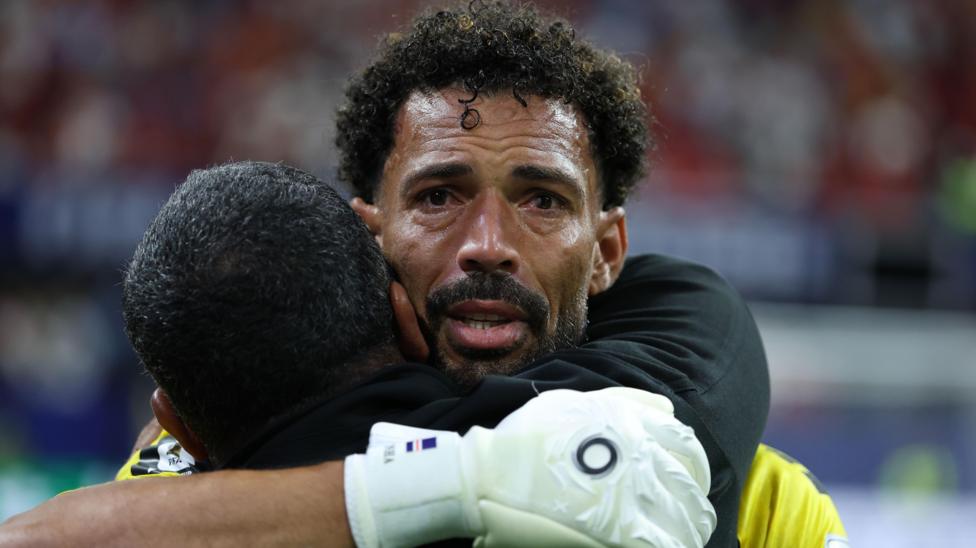
Vozinha's Mum Gets Visa as Cape Verde's World Cup Dream Gets Personal
Cape Verde goalkeeper Vozinha will have his mother in the stands for the biggest match of his life against Uruguay.