WCA Sounds Alarm Over ODI World Cup Format Overhaul
The players' union is pushing back against structural changes to the men's 50-over World Cup, calling them a threat to cricket's heritage.
A Quiet Threat to Cricket's Crown Jewel
The World Cricketers' Association does not use the word "concerned" lightly. When the body that represents professional cricketers across the globe issues a statement carrying that specific weight, the cricketing establishment should pay attention.
Right now, they are paying attention to the men's 50-over World Cup.
The format of cricket's most prestigious global tournament is being reshaped behind closed doors. The structural changes under consideration strike at the heart of what makes the quadrennial event so captivating. And the players' union is not happy.
"We are concerned about the changes made to the structure of the men's 50-over World Cup. The format must protect the integrity of the tournament and the players who compete in it."
That concern, expressed with clinical precision, masks a deeper frustration. Cricketers feel sidelined in conversations that directly impact their careers, their legacies, and the future of the format they represent.
What's at Stake
The 50-over World Cup is not just another tournament. It is the closest thing cricket has to a universal language. Every playing nation, from Full Members to Associates, maps their four-year cycle around it. Young cricketers grow up dreaming of lifting that trophy. Veterans structure their retirement timelines around one last shot at it.
When you alter the structure of the World Cup, you alter the architecture of ambition itself.
The changes reportedly under discussion threaten to dilute that ambition. The evolution of the tournament format has been a subject of intense debate in cricket corridors for years, but recent moves suggest a more aggressive shift is being planned. The specifics may remain fluid, but the direction is clear: fewer matches for smaller nations, more streamlined pathways for the elite, and a tournament increasingly designed for broadcasters rather than players or purists.
The WCA's intervention signals that the players are no longer willing to be passive participants in this process.
The Core Issues
- Tournament integrity — The format must ensure the best team wins, not merely the most commercially protected one
- Player welfare — Compressed schedules and excessive travel demands have reached unsustainable levels
- Associate inclusion — Smaller cricketing nations need meaningful participation, not token presence
- Sporting legitimacy — A World Cup must reward merit over market size
The Business vs. Sport Tension
This is not a new fight in world cricket. It is, however, becoming an increasingly urgent one.
The 50-over format has existed under existential pressure since the explosion of T20 cricket. Franchise leagues now dominate the calendar, offering players financial security that international boards struggle to match. The World Cup remains one of the few events that can still command universal attention and pull players away from lucrative league commitments.
Dilute the World Cup, and you weaken the last pillar holding the bilateral system upright.
Behind the Deal: The Commercial Logic
The push for structural change is driven by a familiar logic in modern sport: efficiency. Broadcasters want shorter tournaments with fewer dead rubbers and more high-profile matchups. Sponsors want guaranteed visibility for major markets. Administrators want events that fit neatly into broadcast windows without overrunning or producing one-sided contests that hurt viewership.
"The commercial argument is always the loudest in the room. But cricket's history is built on sporting integrity, not spreadsheet optimization."
The WCA's statement subtly pushes back against that logic. Without sporting legitimacy, the World Cup becomes just another content product. And cricketers, who risk their bodies and reputations every time they step on the field, have no incentive to treat it as anything more than that.
What the Numbers Reveal
- The previous editions of the tournament established a robust format designed to reward consistent performance
- Broadcast revenue from the last World Cup cycle represented a significant share of ICC's commercial income
- Player workloads during recent tournaments have drawn public criticism from multiple national captains
- Associate nations have historically struggled to secure meaningful fixtures against Full Members
Why the Players Are Pushing Back
Cricket is unique among major sports in the degree to which its players have historically been excluded from governance decisions. Footballers, rugby players, and athletes in other sports have well-established unions with formal seats at the table. Cricket's fractured structure, with individual national boards holding disproportionate power, has made collective player advocacy difficult.
That is changing.
The WCA represents a growing movement toward unified player voices in cricket governance. Their concern about the World Cup format is not just about the tournament itself but about the process by which decisions are made. If players are not consulted on changes that affect their careers, the legitimacy of those changes is inherently compromised.
The Ripple Effect
The consequences of getting this wrong extend far beyond one tournament.
If the World Cup format is perceived as compromised, bilateral ODI cricket loses its last anchor of relevance. Players will continue to prioritize franchise leagues, where the financial rewards are higher and the commitment windows are shorter. Young cricketers from Associate nations, already fighting for opportunities, will see even less reason to pursue the 50-over dream.
The ICC finds itself at a crossroads. The commercial pressures are real, and the sustainability of the sport depends in part on revenue generation. But sustainable revenue requires a product that fans believe in and players are proud to represent.
A World Cup that neither group respects is not a World Cup worth hosting.
"Players give years of their careers for the chance to compete at a World Cup. Decisions about its structure cannot be made without their voice at the table."
The Bigger Picture
The WCA's statement is measured, deliberate, and pointed. It does not threaten action. It does not demand a specific format. It simply says: we are concerned.
In the political ecology of world cricket, that is a significant escalation. The ICC's leadership must now decide whether to engage with the players' union or proceed unilaterally. The choice they make will reveal much about the future of the sport's governance.
The 50-over World Cup has survived the rise of T20 cricket, the franchise boom, and the existential crises that have accompanied both. Whether it survives the next round of administrative tinkering may depend on whether the people who actually play the game are given a say in its future.
For now, the WCA has drawn a line. The cricketing world should be watching closely to see who crosses it.
Editorial Integrity
This is an original SportPulse article written by our editorial team. All content is independently researched, written, and reviewed by our writers and editors before publication. We do not publish copied, aggregated, or syndicated content.
SportPulse is committed to original sports journalism. Read our editorial policy or contact us with any questions.
More Like This
All long-reads
The Doctor Healing Curacao's World Cup Dream
Dr Suzanne Huurman leads medical staff for the World Cup's smallest ever team, steering Curacao into uncharted footballing territory.

Herbert's Historic 28: How the Australian Torched Royal Birkdale
Lucas Herbert equalled a British Open front-nine record with a blistering 28 at Royal Birkdale, sending shockwaves through the 2026 Championship.
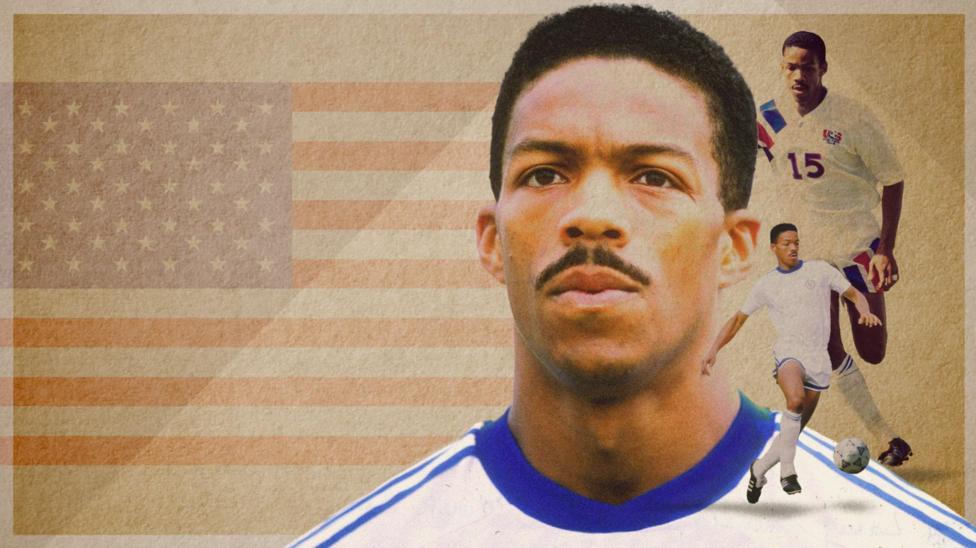
The Unthinkable Question That Drove USMNT Pioneer Desmond Armstrong
Desmond Armstrong faced ignorance at Italy 90, but his resolve reshaped the USMNT identity for a generation.