Williams Sisters Back on Wimbledon Grass for Saturday Doubles
Serena and Venus Williams are set to reunite on Wimbledon's doubles stage Saturday, adding star power to an already packed order of play.
A Saturday Surprise That Wasn't to Be
The order of play for Saturday at Wimbledon had been building toward a serious injection of star power. Serena Williams had been set to appear alongside her older sister Venus Williams in the doubles draw, a move that had sent immediate ripples through the grounds of the All England Club.
But it is not to be. Serena Williams pulls out of her planned Wimbledon doubles appearance with older sister Venus because of a knee injury, bringing an abrupt end to what would have been one of the tournament's most anticipated moments.
Williams had been in a race to be fit to face Camila Osorio and Solana Sierra on Saturday afternoon. But she has not recovered from twisting her knee in the first set of her opening-round singles match against Maya Joint, which she lost 6-3, 6-7 (6), 6-3. The 23-time champion was heartbroken to confirm the withdrawal, ending the sisters' hopes of a Wimbledon doubles reunion.
The tournament organizers had officially slotted the Williams sisters into Saturday's schedule, confirming what insiders had been whispering about for days. Now that slot will go to someone else.
For tennis fans, the mere sight of both names on the same Order of Play document had been enough to trigger a tidal wave of nostalgia. The question had shifted from whether they would play to how far this renewed partnership could actually go. Instead, the question now is when — or whether — we will see them share a court again.
The Weight of History on Centre Court
To understand the magnitude of what was lost, you have to understand what the Williams name means to Wimbledon. Between them, the sisters have dominated the singles draw for over two decades, amassing a combined total that dwarfs entire nations.
Serena alone holds 23 Grand Slam singles titles, with seven of those coming specifically on the Wimbledon grass. Venus, far from a mere footnote in this family dynasty, has captured the Venus Rosewater Dish five times herself.
Together, they have redefined the sport's physical and tactical standards. They brought power, athleticism, and an intimidatory aura to women's tennis that forced an entire generation to adapt or perish.
Their doubles pedigree is historically unmatched. As a pair, they have won 14 Grand Slam women's doubles titles, including titles at the Australian Open, the French Open, Wimbledon, and the US Open. They also own three Olympic gold medals in doubles, representing Team USA.
Analyzing the Tactical Shift
Doubles is a fundamentally different beast than singles. The dimensions of the court change the geometry of the sport, placing a premium on reflexes, positioning, and sheer net play intuition.
Both sisters possess the serve power to dominate on grass, extracting low, skidding bounces that leave opponents handcuffed. However, the physical toll of competing in both singles and doubles at a Grand Slam is immense in the modern era. It is precisely this physical toll that has intervened.
For Serena, the doubles court often serves as a high-intensity match practice environment. It sharpens her reflexes for returns and forces her to engage in rapid-fire exchanges at the net. But her knee has not cooperated, and the risk was deemed too great.
For Venus, whose recent seasons have been marred by injuries and a gradual rankings slide, doubles offers a chance to compete without the physical burden of covering the entire baseline. She can rely on her partner's anticipation and conserve energy for explosive, selective movements.
The key to their success has always been synergy. No other pairing in history has communicated with such unspoken efficiency, born from decades of shared practice courts, shared coaches, and a shared DNA.
The Locker Room Atmosphere
The vibe around the grounds had been electric. Inside the locker room, there was a distinct buzz that usually only materializes for late-tournament singles clashes. Now, that buzz has been replaced by a quiet disappointment.
Players who had already finished their own matches had been spotted checking the updated Order of Play on their phones. Tournament staff were quietly preparing for a potential logistical reshuffle, anticipating a surge in spectator demand that could overwhelm the standard court assignments.
You could feel the anticipation building in the corridors. The mixture of excitement and reverence was palpable among the younger players, many of whom grew up watching these two legends dominate.
When Serena and Venus share a court, it is a living museum of tennis history. It is a rare, fleeting moment of greatness.
"When I see those two names on the board, it changes things. You drop what you are doing and you get a seat. It is a privilege to play in the same era as them."
Why This Matters Now
The context of this planned appearance could not be ignored. Serena has been carefully managing her competitive schedule, focusing on peak events rather than weekly tour grind. Every appearance is now a strategic step — and every withdrawal a reminder of the physical realities.
Venus, at 43 years old, continues to defy the biological realities of professional tennis. Her persistence is a marvel of modern sports science and sheer stubborn will.
Their decision to enter the Wimbledon doubles draw had signaled a clear intent. This was not going to be a ceremonial farewell. Both sisters are ruthless competitors who do not enter tournaments for social calls.
They enter to win. But sometimes, the body has the final say.
The doubles field is less physically punishing than singles, but it is tactically complex. There are no easy matches. The modern doubles game is populated by teams who have honed their craft exclusively in the doubles format.
The Broader Impact on the Tournament
From a tournament perspective, the Williams sisters are a commercial and scheduling dream. Their presence on any court guarantees a television audience and a sell-out crowd. Their absence leaves a void.
Saturday's schedule was already shaping up to be a marquee day. The addition of the Williams sisters would have potentially forced a schedule overflow, requiring organizers to make tough decisions about which matches get the Centre Court spotlight. Now, those decisions become more straightforward, if less compelling.
For the WTA, this is an unabashed loss. The tour has been searching for consistent crossover stars to capture a global audience beyond the hardcore fan base.
The sisters deliver that reach. They are elite athletes who transcend the sport itself. This match would have put the spotlight exactly where the sport needs it most.
What It Means
This canceled doubles appearance is a reminder that even the greatest careers are subject to the fragile limits of the human body. It denies fans what would have been a nod to the past and a jolt to the present.
The immediate impact is a deflation of ticket demand and a lost television moment for Saturday's coverage. The secondary market, which had been seeing a spike in inquiries, will now settle.
If they had played and won, the narrative would have shifted to whether they could sustain the physical demand across a full Grand Slam fortnight. A deep run would have required surviving multiple matches under the weight of expectation.
If they had faltered, it would have remained a historic moment: two icons sharing the stage one more time on the lawns of the All England Club. Either outcome would have added to the legend.
Instead, we are left waiting. For the rest of the draw, the Williams sisters' absence is an opportunity — but for tennis, it is a loss.
Updated: 2026-07-03 — Serena Williams withdraws from planned Wimbledon doubles appearance with Venus due to a knee injury; article updated to reflect cancellation.
Editorial Integrity
This is an original SportPulse article written by our editorial team. All content is independently researched, written, and reviewed by our writers and editors before publication. We do not publish copied, aggregated, or syndicated content.
SportPulse is committed to original sports journalism. Read our editorial policy or contact us with any questions.
More Like This
All tennis
The Serve That Heals: Anisimova Channels Serena to Rewrite Her Wimbledon Story
Amanda Anisimova fired 20 aces to survive Sofia Kenin and continue her redemptive Wimbledon journey.
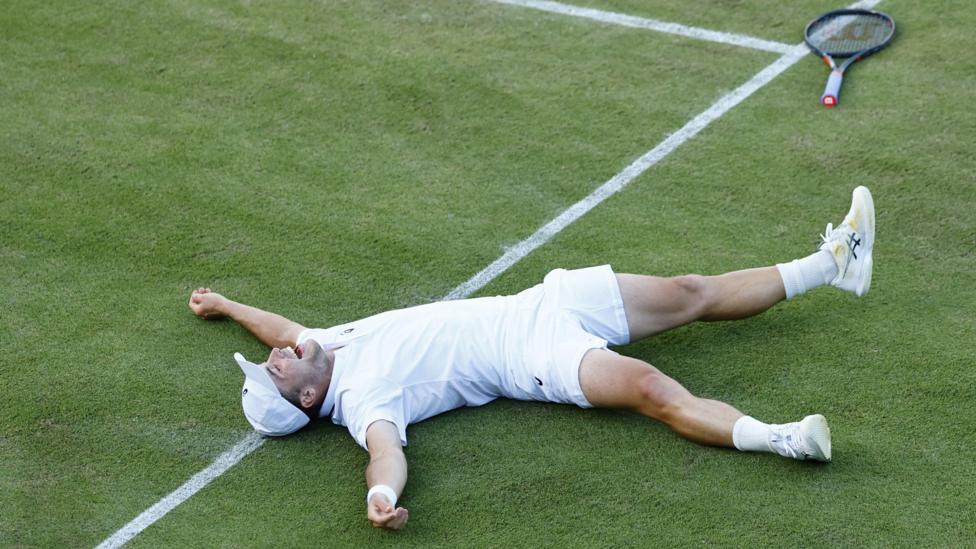
Blood, Sweat and Wildcard Glory: Fery's Wimbledon Breakthrough
British wildcard Arthur Fery battled three nosebleeds and Zizou Bergs to reach the Wimbledon fourth round, keeping home singles hopes alive.
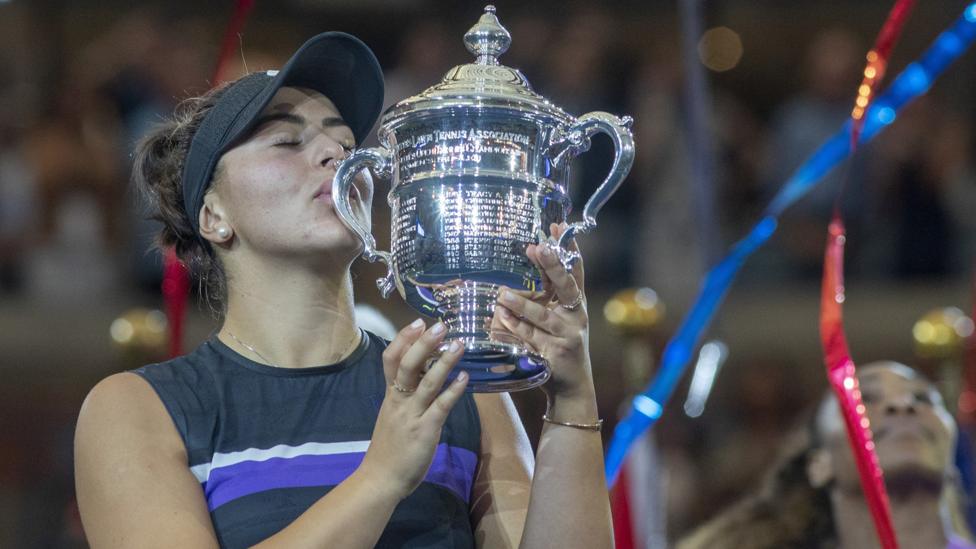
2,300 Days of Pain: How Andreescu Broke the Curse
Bianca Andreescu ended over six years of title drought, finally shaking off the curse that followed her stunning 2019 US Open triumph.