Wimbledon's Gilded Bubble Hides an Uncomfortable Reality
Ten voices demanded Wimbledon drop Barclays, but inside SW19 the strawberries and tennis swallowed the outside world whole.
The morning air at Church Road carried a sound profoundly out of sync with its surroundings. It was not the crisp pop of a freshly struck Slazenger, nor the polite murmur of the queue snaking around the pavement. It was the amplified, urgent voice of dissent. On Monday, ten demonstrators stationed themselves outside the main gates of the All England Lawn Tennis Club, their loudhailer cutting through the genteel suburban calm of SW19. Their demand was specific and sharply modern: Wimbledon must drop Barclays.
The protest targeted the championship's lead sponsor over the bank's financial ties to weapons manufacturers supplying the Israeli Defense Forces. It was a stark, jarring collision of worlds, the brutal geometry of global conflict pressing hard against the manicured ivy of a sporting cathedral.
"We're not against tennis," one protester shouted through the loudhailer, their voice straining to reach the straw-hatted crowds. "We just want the Championships to drop Barclays."
The crowds, however, barely slowed their stride. They had waited too long for their allocated grounds passes, their Centre Court tickets, their annual pilgrimage to the grass. They were entering a realm of spit, polish, and strawberries, a place deliberately engineered to feel as far removed from the outside world as humanly possible.
The Architecture of Escape
Wimbledon's genius, and perhaps its greatest sin, lies in its mastery of isolation. Step through the gates, and the modern world does not merely fade; it is actively erased. The grounds of SW19 operate as a spatial and temporal anomaly, a preserve of Victorian sporting virtue bankrolled by twenty-first-century capital. The greens are impossibly green. The whites are aggressively white. The air smells of cut grass and Pimm's, deliberately devoid of the exhaust and anxiety of the city beyond the walls.
The contrast between the reality outside and the illusion inside has rarely felt more acute. Beyond the perimeter, Britain grapples with a cost-of-living crisis, deep political fractures, and the relentless scroll of global catastrophe. Inside, the biggest immediate concern is whether the strawberries are properly chilled.
This is not by accident. The All England Club has spent decades curating this atmosphere of aggressive normalcy. It polices the hemlines, the color palettes, and the volume of the crowds. It dictates the terms of engagement so thoroughly that even the weather seems to apologize when it rains.
The Sponsorship Paradox
Yet the bubble is not self-sustaining. Maintaining the illusion of a bucolic, timeless Eden requires an annual budget firmly rooted in the ruthless reality of modern finance. Enter Barclays, the championship's principal partner, a sprawling multinational institution that embodies the very system of global capital the grounds seem designed to avoid.
The sponsorship deal brings immense financial resources, subsidizing the facilities, the player purses, and the very infrastructure that makes the Wimbledon experience so pristine. In return, Barclays receives the most coveted association in British sport: access to the demographic that drinks champagne at eleven in the morning and argues about whether the grass is watered enough.
The bank's activation around the grounds is ubiquitous. They provide the deckchairs on Henman Hill. They serve the free strawberries and cream. They host the Clubhouse by Barclays at Aorangi, a VIP enclave where high-net-worth clients can escape the masses while technically still occupying the same postal code.
It is a masterclass in brand alignment, wrapping corporate finance in the aesthetic of a village fete. But the ten protesters at the gate are pulling at that carefully woven thread, pointing out that the money funding the deckchairs also flows through pipelines connected to the machinery of war. It forces an uncomfortable question upon the tranquility: Can you accept the strawberries if you know who paid for them?
The Numbers Behind the Narrative
Wimbledon's economic engine is staggering in its output, yet it remains intimately tethered to corporate partnerships to sustain its growth. The tension between pristine heritage and commercial reality is the engine of the tournament's finances.
- £53.5 million in total prize money distributed at the previous year's Championships
- £400 million+ generated in total revenue, a figure heavily dependent on premium sponsorships
- £1.70 for a portion of strawberries and cream, a price point subsidized and leveraged by corporate partners
- 10 protesters on Monday morning, a small but symbolically potent figure representing growing activism against sports sponsorship
The Dissonance on Court
Watch the tennis, and the politics feel a universe away. On the lawns, the narrative arc of human endeavor plays out in real time. A player slips, recovers, fights off a break point, and celebrates with a contained, properly British fist pump. The crowd rises, not in rage, but in appreciation of a delicate drop shot. The sporting drama is so engrossing, so beautifully contained within the white lines, that it demands total surrender from the spectator.
This is the seduction of the Grand Slam format. It forces destruction, hope, and eventual triumph on a condensed timeline. When a player digs out of a 0-40 deficit to hold serve, the emotional release is so potent that the concerns of the outside world feel not just distant, but irrelevant. The tournament thrives on that collective suspension of disbelief, demanding that you look inward rather than outward.
But the shouts from the loudhailer demand the opposite. They insist that the walls of the club are porous, that the capital funding the Centre Court roof is inextricable from the capital that funds destruction elsewhere. It is an interruption of the Wimbledon script, a refusal to let the sporting spectacle serve as a distraction.
The Future of the Gilded Cage
The All England Club will weather this storm as it has weathered others. The protests are small, the crowds are vast, and the tennis will inevitably deliver moments of transcendent brilliance that drown out any megaphone. The machinery of the Championships is too well-oiled, too culturally embedded, to be derailed by a handful of voices at the gate.
Yet the presence of the protesters signals a shifting climate that even Wimbledon cannot entirely ignore. Across global sport, sponsors linked to fossil fuels, arms manufacturing, and controversial state-backed funds are facing unprecedented scrutiny. The social contract that once allowed brands to buy cultural legitimacy through sporting association is fraying. Fans and citizens are increasingly aware of the supply chains behind their entertainment.
Wimbledon may choose, as it always has, to polish its surfaces and hope the noise simply dissipates. It will point to its charitable foundation, its investment in grassroots tennis, and the sheer joy it provides to millions. But the calculation is changing. The polish remains flawless, but underneath, the cracks of the real world are beginning to show. The Championship's greatest challenge may no longer be producing the perfect grass court, but defending the morality of the soil it grows in.
Editorial Integrity
This is an original SportPulse article written by our editorial team. All content is independently researched, written, and reviewed by our writers and editors before publication. We do not publish copied, aggregated, or syndicated content.
SportPulse is committed to original sports journalism. Read our editorial policy or contact us with any questions.
More Like This
All tennis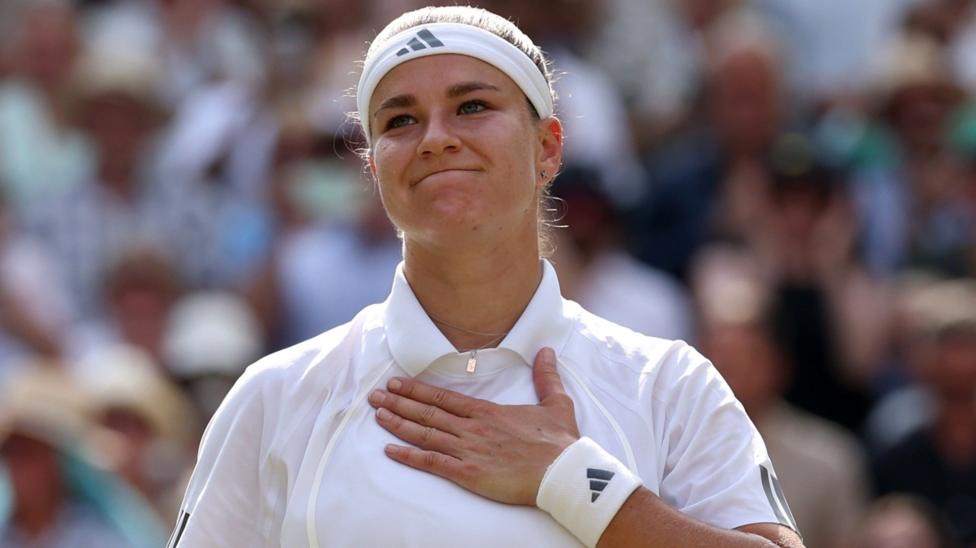
Muchova Breaks Gauff's Heart in Wimbledon Tie-Break Classic
Karolina Muchova saved match point to topple Coco Gauff in an epic Wimbledon decider, reaching her first final at the All England Club.
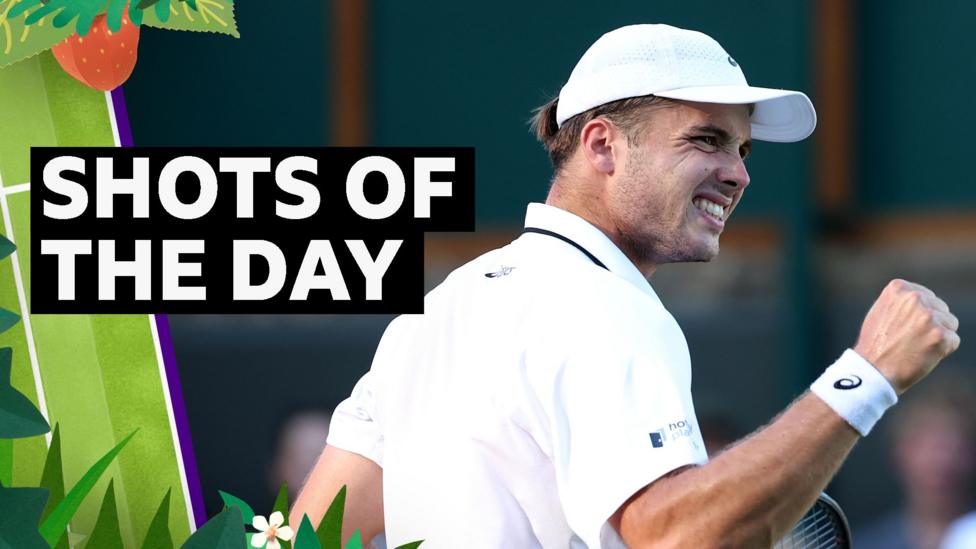
Paolini Dazzles, Fery Battles: Wimbledon Day Six's Defining Moments
Day six at Wimbledon delivered breathtaking shot-making from Jasmine Paolini and British qualifier Arthur Fery on a dramatic Saturday.
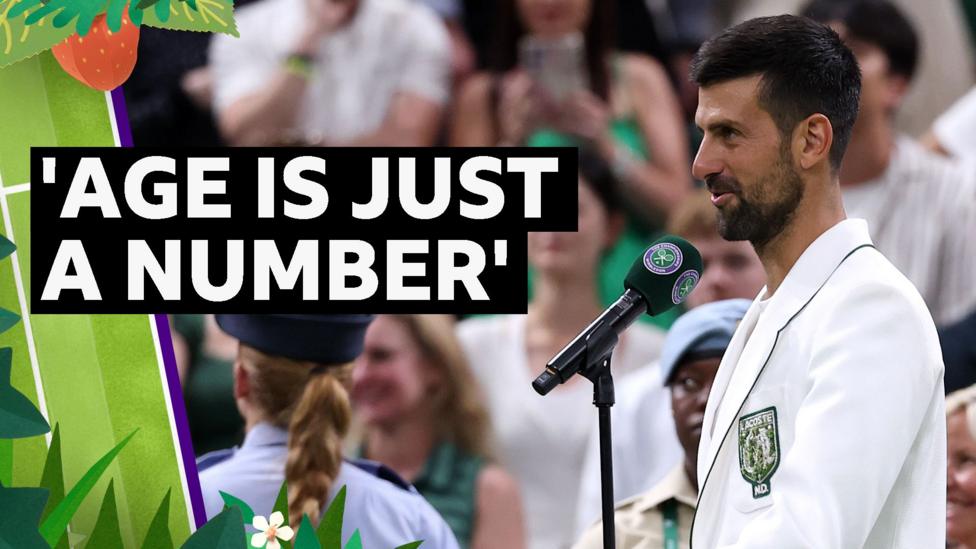
The Immortal Serb: Djokovic Turns Back the Clock Against Tsitsipas on Centre Court
At 39, Novak Djokovic dismantled Stefanos Tsitsipas in straight sets, reminding Wimbledon that his hunger hasn't dimmed.