The Wimbledon Mirror: Sinner, Serena, and the Self
Wimbledon is a test of identity as much as skill, revealing whether you carry the glacier calm of Sinner or the fire of Serena.
The Cathedral of Self
Grass is the most honest of surfaces. It does not forgive the hesitant foot, nor does it reward the bloated swing. When the Championships at Wimbledon commence, the lawn strips away the superfluous. What remains is a stark, revealing portrait of the player beneath the polyester. The tournament is less a competition of forehands and backhands than a rigorous interrogation of character.
Every great champion who has climbed the Centre Court summit has done so by obeying their deepest athletic instinct. To survive the fortnight, you cannot pretend to be someone you are not. The grass exposes the fraud and elevates the authentic. The question of which Wimbledon star you align with is not a frivolous exercise in personality quizzes. It is a philosophical inquiry into how you respond to suffocating pressure, how you wield power, and how you define victory.
At the outer limits of this tournament's recent history, two archetypes stand in stark, illuminating contrast. On one side sits the incandescent fire of Serena Williams. On the other, the calcified ice of Jannik Sinner. To choose between them is to chart the architecture of your own competitive soul.
The Sinner Archetype: The Ice Knife
Jannik Sinner moves through a tennis match the way a glacier moves through a valley. He is slow, deliberate, and possesses a crushing weight that devours everything in his path. There is no visible panic. There is no theatrical agonizing over a missed line call. There is only the methodical, relentless accumulation of advantage.
His Wimbledon breakthrough in 2024, culminating in his ascent to the world number one spot, was a masterclass in emotional thermoregulation. When the skies darken over SW19 and the rain threatens to disrupt the rhythm of the match, Sinner does not look skyward in frustration. He simply sits in his chair, towel over his shoulders, and waits. The pause does not derail him. It fortifies him.
The Geometry of Calm
Tactically, the Sinner archetype suffocates through depth and omission. He eliminates unforced errors with the ruthless efficiency of an accountant closing a ledger. His ball striking off the baseline is flat, heavily spun, and lands within a perilous margin of the baseline. He does not go for the spectacular angle when the straight, deep shot will do the damage.
- 76% of first serves returned from the baseline in his 2024 Wimbledon campaign
- An average rally length of 8.4 shots, the longest of any semifinalist
- Only 12 unforced errors in his quarterstraight straight-sets victory
"The ball always comes back. You must be there to hit it again." — Jannik Sinner
If you are the Sinner type, your stability is your weapon. You do not need the crowd to roar to find your rhythm. You find comfort in repetition. You are the person who reads the entire contract before signing, who measures twice and cuts once. In the pivotal moments of a match, when the heart rate spikes and the breath shortens, the Sinner archetype finds an almost perverse comfort in the worst of the storm. You do not rise to the occasion. You hold the baseline while the occasion crashes against you.
The Serena Archetype: The Mount Vesuvius
If Sinner is the patient displacement of a glacier, Serena Williams was the sudden, terrifying eruption of the mountain itself. The Serena archetype does not merely play the match. She colonizes the atmosphere. She rewrites the physics of the court with a sheer, terrifying force of will that makes the umpire's chair tremble.
Her legacy at Wimbledon is written in 7 singles titles and 6 doubles titles, a record of dominance that stretches across nearly two decades. But the numbers only tell the story of the aftermath. To understand Serena is to understand the moment before the ace. It is the deliberate, almost ceremonial bouncing of the ball, the sculpted arms raised to the skies, the sound that rips from her throat as the serve explodes over the net at 128 miles per hour.
The Audacity of Dominance
The Serena archetype is not disruptive for the sake of disruption. It is an assertion of cosmic order. She believed that the court belonged to her, and she possessed the weaponry to enforce that belief. The serve, the greatest single shot in the history of women's tennis, was not just a point-starter. It was a declaration of sovereignty.
Where Sinner wins by making the match small, Serena won by making the match enormous. She swelled the moment until it filled the stadium, feeding off the desperate, heaving energy of the crowd and turning it back upon her opponent with catastrophic force. She turned defense into attack from impossible positions on the Wimbledon lawn.
- 102 aces across her 2016 Wimbledon title run
- 23 Grand Slam singles titles, an era-defining haul
- Saved 68% of break points faced throughout her career at the All England Club
If you are the Serena type, you do not endure the storm. You become the weather. Your weapon is audacity. You are the person who asks for the raise, who takes the last shot, who walks into the room and demands, without a single word, that everyone look your way. You do not chip away at leads. You detonate them.
The Grass as a Crucible of Truth
Why does Wimbledon, more than any other major, demand this radical self-knowledge? The answer lies beneath the feet. The grass court is a shrinking window. It lasts for two weeks. It rewards the bold who take the ball on the rise, and it exposes the indecisive who let it drop into their hitting zone a fraction of a second too late.
The unique characteristics of surface demand that a player commit fully to their biological and psychological nature. A Sinner cannot suddenly try to become Vesuvius, blasting serves and screaming at the heavens. The dissonance would shatter his game into a thousand unforced errors. A Serena cannot try to quietly accumulate points through deep, methodical rallies. The unexpressed fire would consume her from the inside.
The tournament's greatest dramas occur when these two tectonic plates collide. Think of the classic duels of the past, the ice against the fire, the accumulator against the detonator. The champion of Wimbledon is not the player who plays the best tennis in a vacuum. It is the player who plays the most ruthlessly authentic version of their own tennis.
The Reflection in the Silver Cup
The impulse to categorize ourselves by athlete is ancient. We see our own limits and aspirations magnified in the bodies of the giants on Centre Court. The quiz that asks whether you are Sinner or Serena is really asking you to confront the mirror.
When you stand at the baseline, five-all in the third set, with the match resting on your next decision, what is your instinct? Do you take a deep breath, narrow your eyes, and hit the heavy, deep ball to the opponent's backhand, trusting that the attrition will eventually break them? Or do you bounce the ball one final time, step hard into the court, and swing at the flat, roaring ace?
Neither answer is wrong. Both have lifted the golden trophy on the final Sunday. But the answer defines the architecture of your ambition. Wimbledon is the ultimate sporting crucible because it strips the game down to this elemental choice. On the grass, you cannot hide. You can only become more intensely who you already are.
As the next Championships approach, the field will again fracture into these two camps. The accumulators will try to grind the field into dust. The detonators will try to burn the field to the ground. And somewhere, a champion will emerge, not by becoming someone new, but by reaching the absolute, terrifying limit of who they have always been.
Editorial Integrity
This is an original SportPulse article written by our editorial team. All content is independently researched, written, and reviewed by our writers and editors before publication. We do not publish copied, aggregated, or syndicated content.
SportPulse is committed to original sports journalism. Read our editorial policy or contact us with any questions.
More Like This
All tennis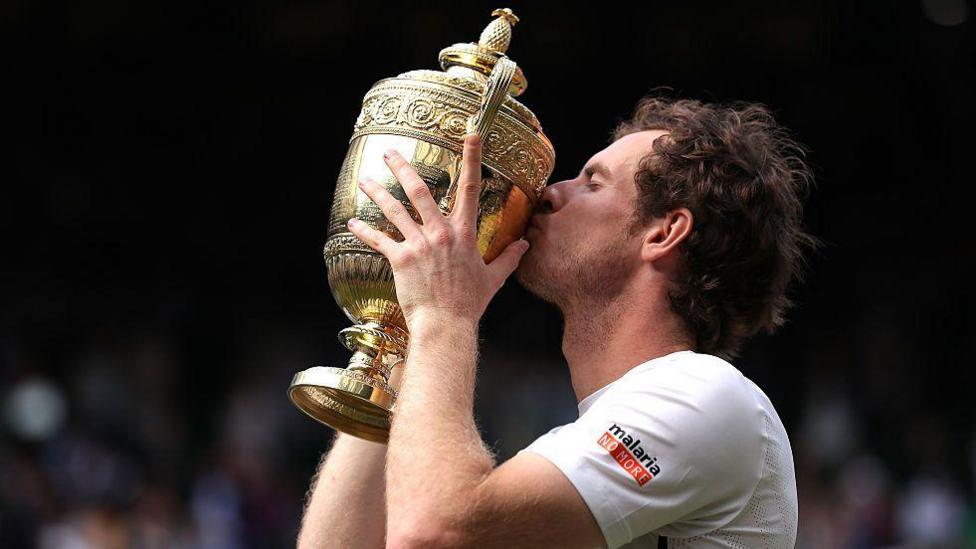
The Golden Weekend That Rewrote British Tennis
A decade after five Wimbledon trophies stayed home, the true legacy of Britain's 2016 golden weekend finally comes into focus.
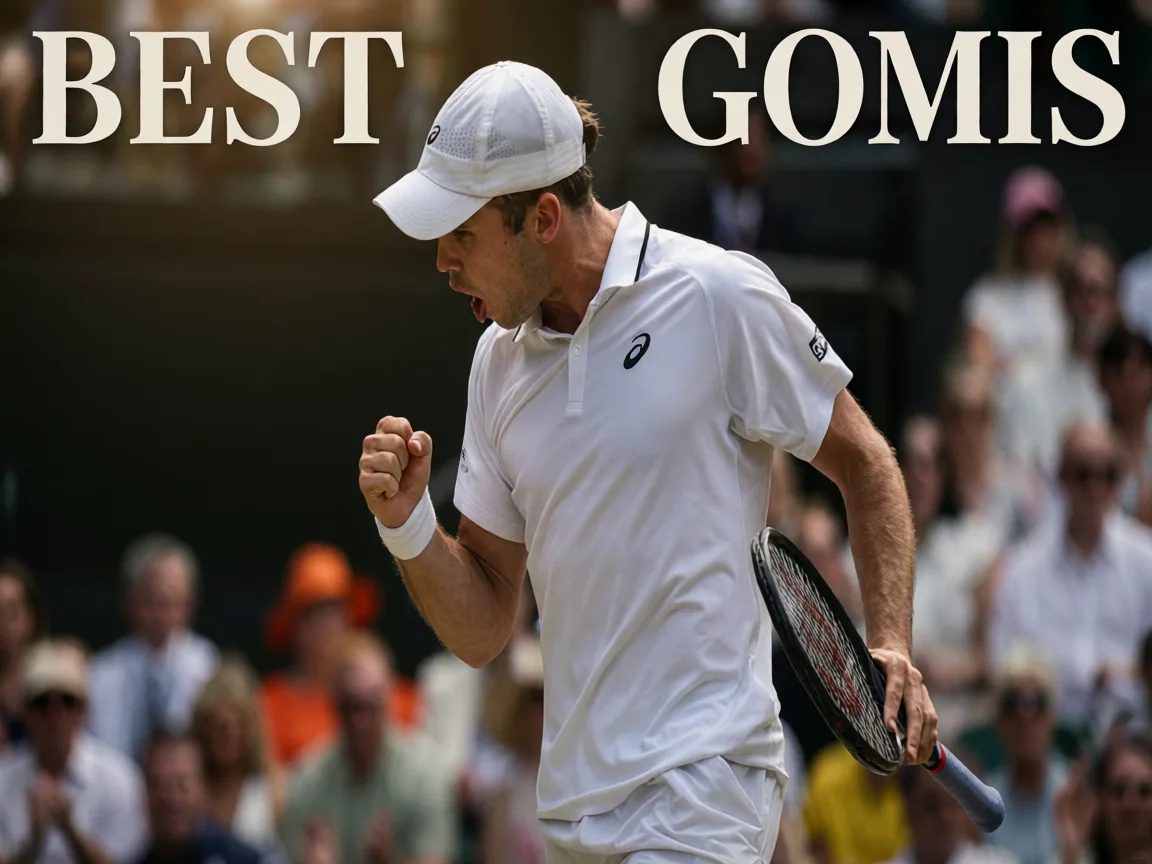
Sinner Marches On as Fery Lights Up Wimbledon Day 12
Day 12 at Wimbledon delivered sensation: Sinner defended his crown while British qualifier Fery produced the moment of the tournament.
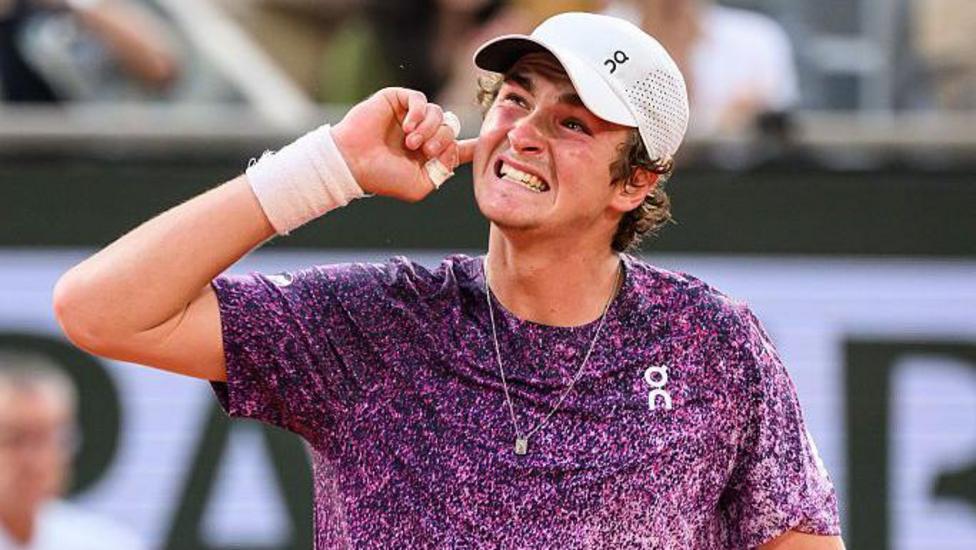
Fonseca Stuns Djokovic in Five-Set Roland Garros Epic
A 19-year-old Brazilian toppled the greatest of all time on Parisian clay. Tennis just changed.