The Golden Weekend That Rewrote British Tennis
A decade after five Wimbledon trophies stayed home, the true legacy of Britain's 2016 golden weekend finally comes into focus.
The Centre Court grass was already wearing thin under the July sun, the familiar scent of crushed strawberries and champagne hanging heavy in the air. When Andy Murray clenched his fist after converting championship point on that Sunday afternoon, the roar that echoed off the vacated stands carried the weight of a nation desperate for sporting salvation. But the true magnitude of that moment didn't fully register until the weekend's final tally was struck: five Wimbledon trophies were staying on home soil. A decade later, the 2016 Championships stands not just as a career milestone, but as the inflection point that altered the trajectory of an entire tennis ecosystem.
The Sunday That Secured History
Murray's second Wimbledon singles title was the undeniable anchor. He dismantled Milos Raonic with a masterclass in return-of-position tennis, winning 6-4, 7-6(4), 7-6(2). The final lasted just over two and a half hours, but the psychological ferocity was relentless. The Canadian's serve, a weapon that had dismantled Roger Federer in the semifinals, was rendered ordinary by Murray's uncanny ability to put returns in play and dictate from the baseline.
Yet the profound nature of that championship Sunday lay in its accumulated weight. Before Murray even stepped onto the Centre Court for the men's final, the All England Club had already witnessed an unprecedented harvest of British champions. It was the realization of a promise the Lawn Tennis Association had made for decades but never delivered until that sweltering weekend.
The Five Trophies
- Men's Singles: Andy Murray defeated Milos Raonic
- Men's Doubles: Jamie Murray and Bruno Soares defeated Julien Benneteau and Édouard Roger-Vasselin
- Women's Doubles: Heather Watson and Henri Kontinen defeated Yaroslava Shvedova and Julia Görges
- Men's Wheelchair Singles: Gordon Reid defeated Stefan Olsson
- Men's Wheelchair Doubles: Gordon Reid and Alfie Hewett defeated Stéphane Houdet and Nicolas Peifer
Jamie Unshackled from the Shadow
While Andy commanded the singles spotlight, older brother Jamie was authoring his own narrative arc on the adjacent courts. Paired with Brazilian veteran Bruno Soares, Jamie Murray claimed the men's doubles crown, defeating the French duo of Julien Benneteau and Édouard Roger-Vasselin 6-4, 6-4.
It was a triumph that validated Jamie's stubborn pursuit of doubles excellence after years operating in the considerable shadow of his Grand Slam-winning sibling. The title propelled him to the World No. 1 doubles ranking later that summer, a milestone that underscored the depth of talent within a single Scottish family. The Murray brothers becoming simultaneous Wimbledon champions was a storyline that not even the most ambitious tennis scriptwriters could have conjured.
"I've been coming to Wimbledon since I was a kid, watching from the stands, dreaming about this. To do it on this court, with this crowd, it's something I will never forget."
The Mixed Surprise and Wheelchair Dominance
Heather Watson's mixed doubles crown alongside Finland's Henri Kontinen provided the weekend's most operates narrative. They defeated the established duo of Yaroslava Shvedova and Julia Görges 7-6(5), 6-4. Watson, who had already captured the hearts of the Centre Court crowd with her battling performances in the singles draw, finally got her hands on a Wimbledon trophy after three previous semifinal defeats in the mixed event.
Meanwhile, the wheelchair events delivered a seismic statement. Gordon Reid secured the men's wheelchair singles title over Stefan Olsson, then combined with a teenage Alfie Hewett to capture the doubles crown. For Hewett, just 18 years old at the time, it was the beginning of a partnership that would go on to dominate the sport. Together, Reid and Hewett have since formed arguably the greatest wheelchair doubles team in history, accumulating multiple Grand Slam titles and Paralympic gold medals.
Match Stats: The 2016 Harvest
- 5 titles won by British players across the fortnight's final weekend
- 0 British Wimbledon champions in the two decades prior to Andy Murray's first title in 2013
- 2 of the 5 cup-winning squads featured members of the Murray family
- 18 was Alfie Hewett's age when he won his first Wimbledon doubles title
A Decade of Ripples
The immediate aftermath of the golden weekend was predictable: euphoria, followed by the inevitable question of what comes next. The LTA leveraged the momentum, pointing to increased participation numbers and a surge in coaching qualifications. Yet the reality of translating a solitary weekend's glory into systemic, sustainable success is far more complex.
Ten years on, the verdict is nuanced. Britain has not produced another men's singles champion at Wimbledon. The wait for a homegrown women's singles champion, a quest stretching back to Virginia Wade in 1977, continues without resolution. Emma Raducanu's stunning 2021 US Open triumph briefly reignited the flame, but her subsequent injury struggles have stalled the momentum of a direct golden weekend descendant.
Where the 2016 legacy genuinely endures, however, is in the culture of expectation. Before Murray, British tennis operated with a modesty born of failure, an acceptance that Wimbledon belonged to others. The golden weekend shattered that psychology permanently. Jamie Murray's doubles success proved that British players could dominate at the elite tier without needing Andy's singular genius. Watson's mixed title demonstrated that persistence on the global stage eventually yields reward. And the wheelchair excellence of Reid and Hewett established a dynasty that continues to set the standard.
The infrastructure also shifted. Performance pathways became more specialized, with greater investment directed toward doubles and wheelchair programs, rather than funnelling every resource into the singles furnace. The National Tennis Centre in Roehampton became less a monument to potential and more an actual factory of results.
The Road Ahead
As Wimbledon approaches another summer, the golden weekend of 2016 feels simultaneously distant and immediate. Andy Murray's hip surgeries and eventual retirement from the sport's highest peaks have closed the most glorious chapter, but the book remains wide open elsewhere.
Hewett and Reid continue to compress the wheelchair tours into a British duopoly, their rivalry with the French and Dutch contingents providing some of the tournament's most fiercely contested matches. In the mainstream draws, Britain's doubles depth remains a quiet engine, with players like Neal Skupski adding further Grand Slam hardware to the national cabinet.
The challenge now is converting this deep, systemic competence into the kind of singular brilliance that captures the public imagination. The golden weekend proved it was possible. The ensuing decade has proven it is sustainable. The next step is proving it is replicable at the very summit of the singles game. Only then will the echoes of 2016 truly fade into something larger than memory.
Editorial Integrity
This is an original SportPulse article written by our editorial team. All content is independently researched, written, and reviewed by our writers and editors before publication. We do not publish copied, aggregated, or syndicated content.
SportPulse is committed to original sports journalism. Read our editorial policy or contact us with any questions.
More Like This
All tennis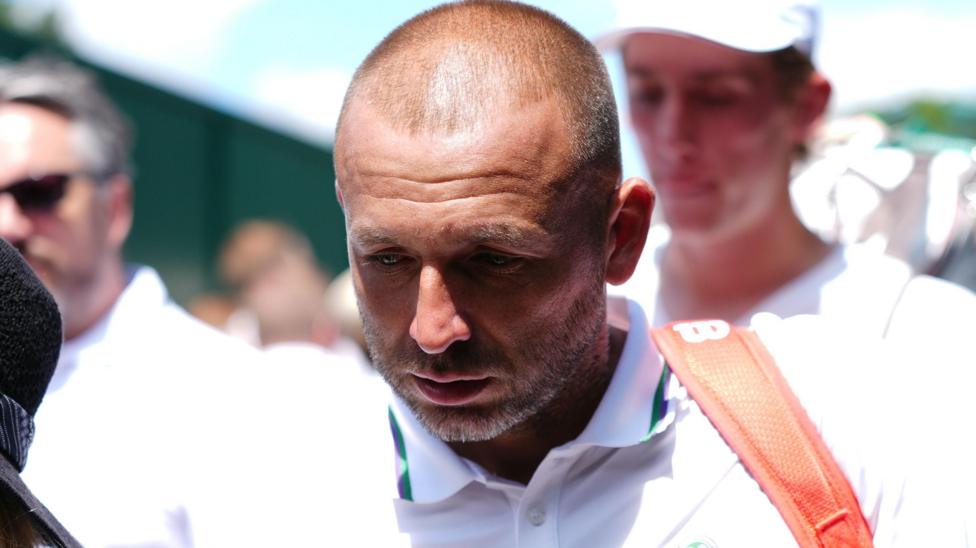
The Last Slice: Dan Evans Says Goodbye on His Own Terms
Dan Evans walked off Wimbledon's grass one final time — a career of defiance, talent, and redemption complete.
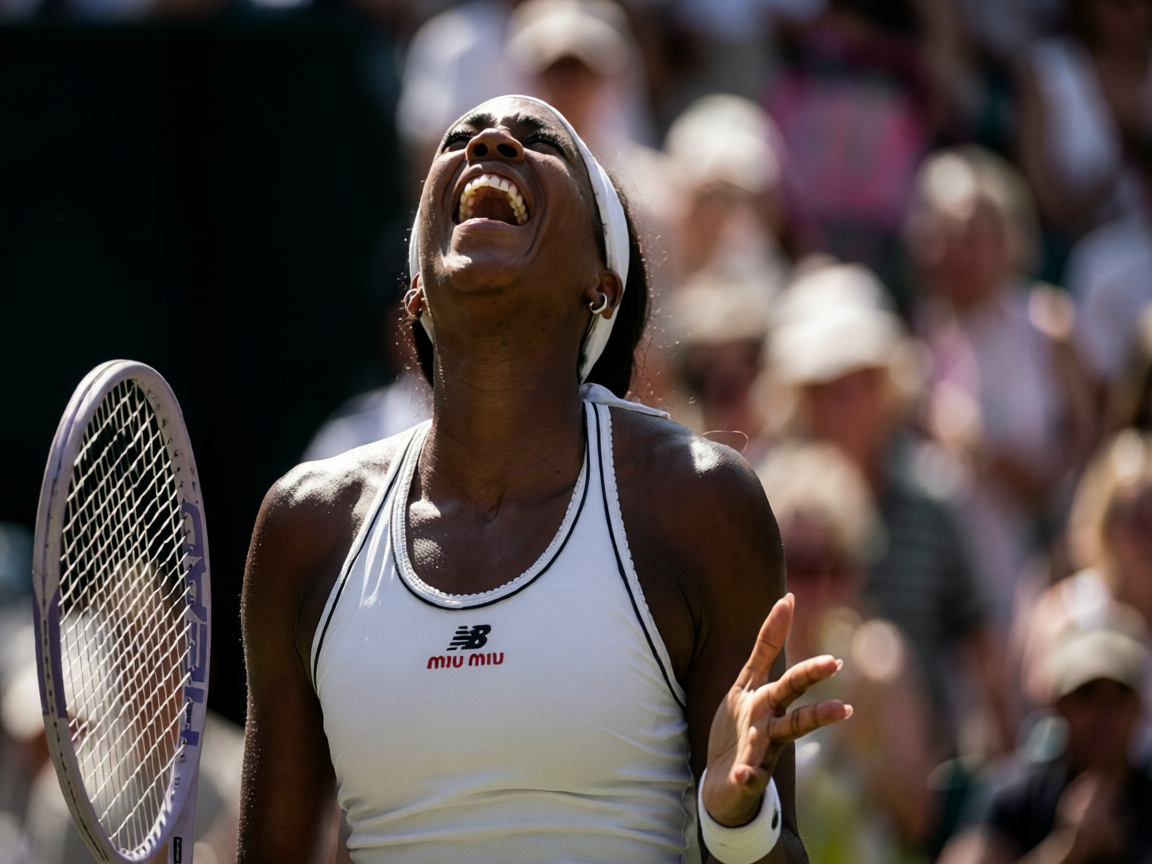
Comeback Queen Gauff Storms Into First Wimbledon Semi-Final
Coco Gauff outlasts compatriot Jessica Pegula in three sets to reach her first Wimbledon semi-final, cementing her grass-court evolution.
Guess the Tennis Star No. 4: A Puzzle for the Obsessed
Daily tennis trivia separates the casual fan from the connoisseur. Did you crack today's mystery player as quickly as your rivals?