58 Years of Wimbledon: Can You Name Every Men's Champion?
From Rod Laver to Carlos Alcaraz, 58 years of Open era Wimbledon champions built tennis mythology. How many can you recall?
Picture the scene. Centre Court. The finest grass on the planet, meticulously trimmed to 8 millimetres. A Sunday afternoon in July. The crowd holds its breath as a forehand clips the baseline.
Game. Set. Match. Championship point secured.
The winner drops to the sacred turf. Covers their face with both hands. Somewhere in the players' box, a family erupts. Within minutes, they will climb into the Royal Box and accept a trophy that has defined tennis for a century and a half.
58 years. That is how long the Open era has given us at the All England Club. Since 1968, when the sport finally tore down the wall between amateurs and professionals, Wimbledon has been the grandest stage in tennis. A theatre where legends are not merely born but forged in fire.
Here is the question that will stump even the most devoted tennis obsessive. Can you name every single men's singles champion across those 58 editions?
Before you scroll any further, stop. Genuinely attempt it. Grab a piece of paper. Jot down as many names as you can conjure from the depths of your sporting memory.
We will give you a moment.
Done? How many did you manage?
The Undisputed King of SW19
Let's start with the layups. The obvious ones. The names that any casual follower of the sport could shout from the back of a pub garden.
If your list does not begin with Roger Federer, you might want to reconsider your approach. The Swiss maestro holds the Open era record with 8 men's singles titles at the All England Club. His first came in 2003, when a long-haired youngster with a one-handed backhand dismantled Mark Philippoussis in straight sets. His last arrived in 2017, a fairy tale comeback that nobody saw coming at the age of 35.
"When I was a boy, I dreamt of winning Wimbledon. It was always the tournament that meant everything to me."
Between those two triumphs, Federer constructed the most beautiful era of dominance tennis has ever witnessed. Five consecutive titles from 2003 to 2007. Another streak from 2009 to 2012. The surgical precision. The footwork that made hardened veterans weep openly in the commentary box.
He made the list easy. But this is where the trouble starts. Because the Open era spans nearly six decades, and human memory is a notoriously treacherous companion.
The American Siege
Before Federer, there was another titan who treated the Wimbledon grass as his personal fiefdom. Pete Sampras stormed to 7 titles in an eight-year stretch that redefined the concept of serving dominance.
From 1993 to 2000, Sampras lost at Wimbledon exactly once. That is not a typo. He claimed the title every year bar 1996, when Richard Krajicek produced the upset of the decade in the quarter-finals.
Think about that statistic for a moment. Sampras essentially turned a Grand Slam into an annual exhibition match for himself. Iron-willed determination. A serve that nobody could read. An overhead smash so devastating it bordered on unsportsmanlike conduct.
Yet here is the trick. Sampras won his first Wimbledon in 1993. The Open era started in 1968. That leaves 25 years of champions before Pistol Pete even entered the conversation. How many of those names made it onto your hastily scrawled list?
Be honest.
The Dawn of a New Era
Rewind to the very beginning. 1968. The Open era was born amid a revolution in the sport. Players could finally earn prize money at the sport's four most prestigious events.
The first ever Open era Wimbledon men's singles champion? Rod Laver. The Rocket. A man who had already completed the calendar Grand Slam as an amateur in 1962 and returned to do it again in 1969, sweeping all four majors in a single calendar year.
Laver claimed the Wimbledon title in both 1968 and 1969, setting the standard for everything that followed. A left-handed wizard whose topspin backhand revolutionised the way the game was played on grass.
From there, a procession of greats touched the famous gilt cup. John Newcombe. Stan Smith. Arthur Ashe, the trailblazer who in 1975 became the first Black man to win a Grand Slam singles title.
"From where I come from, nothing was guaranteed. I had to fight for everything. This trophy represents a dream that never seemed within reach."
Björn Borg brought his ice-cold Swedish composure to SW19 and won 5 consecutive titles from 1976 to 1980. A streak so dominant it felt inevitable. The headband. The grunt-free efficiency. The passing shots that sliced through opponents like a surgical instrument.
Then came John McEnroe in 1981, ending Borg's reign with a brand of tennis so sublime it almost justified the meltdowns. McEnroe added two more titles in 1983 and 1984, bringing artistry and fury to Centre Court in equal measure.
The Golden Years
This is where the quiz becomes genuinely painful for even seasoned tennis analysts.
The 1980s produced a parade of one-time champions whose names deserve immortality but tend to slip through the cracks of public memory. Jimmy Connors won in 1982. Boris Becker crashed onto the scene as a 17-year-old in 1985, defending the title in 1986.
Then the decade closed out with a shock that still reverberates through the game.
1985 and 1986 belonged to Becker. 1987 went to Pat Cash and his celebrated climb into the players' box. But who captured the crown in 1988?
Stefan Edberg. The elegant Swede with a serve-and-volley game so smooth it looked choreographed. He collected 2 titles at the All England Club and reached the final on two other occasions.
The 1990s gave us Sampras, naturally, but also a sprinkling of one-time wonders. Michael Stich in 1991. Andre Agassi in 1992, finally taming the grass that seemed allergic to his baseline game.
The Modern Pantheon
Which brings us to the era that contemporary fans know best. The era of the Big Three.
Rafael Nadal claimed his 2 Wimbledon titles in 2008 and 2010, the first of those victories producing what many still consider the greatest tennis match ever played. 4 hours and 48 minutes. Two rain delays. Gathering darkness. A finish that left both warriors physically unable to stand for the trophy presentation.
"That match against Federer in 2008 changed tennis. It changed what people believed was possible on a tennis court."
Then arrived the Serbian disruptor. Novak Djokovic with his 7 Wimbledon titles and counting. A baseliner who conquered grass not through serve-and-volley purity but through remorseless defensive excellence and an iron will that refuses to buckle.
Djokovic's dominance at Wimbledon has been so absolute that only Carlos Alcaraz has managed to interrupt his SW19 reign, stunning the Serbian in an epic five-set final that announced the arrival of tennis's next great chapter.
The Measure of a Champion
So back to your list. How did you fare?
If you managed 25 names or more out of the champions across 58 years, consider yourself among the most knowledgeable tennis minds on the planet. The Open era has produced roughly 24 different men's singles champions at Wimbledon, depending on how you count the streaks.
The brilliance of the challenge lies in the hidden corners. The one-time winners. The brief spells of dominance. The heroes who flared brightly for a single fortnight before the grass claimed them once more.
Wimbledon's grass is the most demanding surface in tennis. It rewards a unique brand of artistry. The low bounce. The unpredictable skid. The way a match can pivot on a single slip or a momentary lapse in concentration.
Every man who has hoisted that golden cup has earned his place in the sport's most exclusive gallery. From Laver's revolutionary topspin to Alcaraz's youth-driven brilliance, the All England Club has borne witness to a century and a half of sporting evolution.
The quiz sounds simple. Name every Open era champion. 58 years of history. 24 different kings. One sacred patch of grass.
But simplicity in tennis is always an illusion. That is precisely what makes it the most beautiful sport on earth.
Editorial Integrity
This is an original SportPulse article written by our editorial team. All content is independently researched, written, and reviewed by our writers and editors before publication. We do not publish copied, aggregated, or syndicated content.
SportPulse is committed to original sports journalism. Read our editorial policy or contact us with any questions.
More Like This
All tennis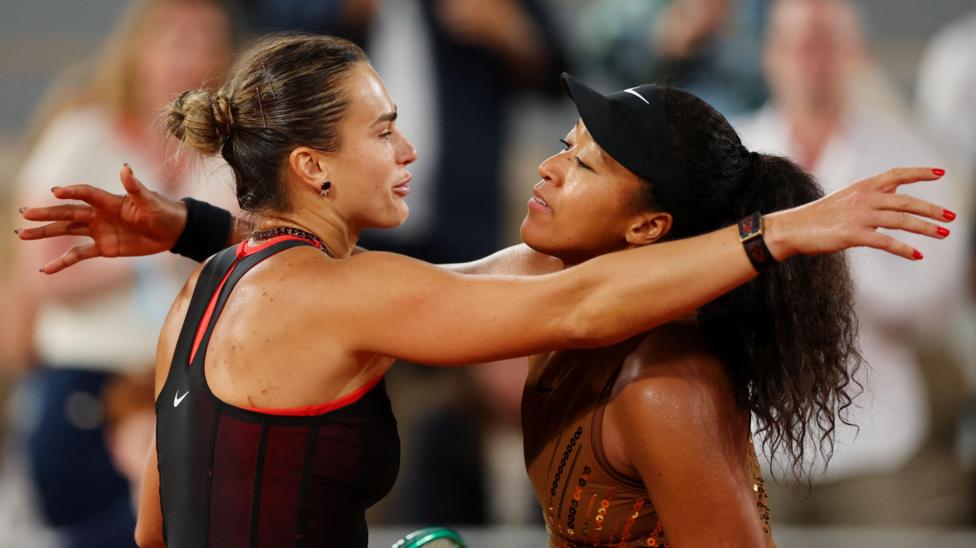
Sabalenka vs Osaka: Tennis' Newest Heavyweight Rivalry Hits Wimbledon
Three meetings in three months. Sabalenka and Osaka deliver the Wimbledon fourth round clash the draw promised.
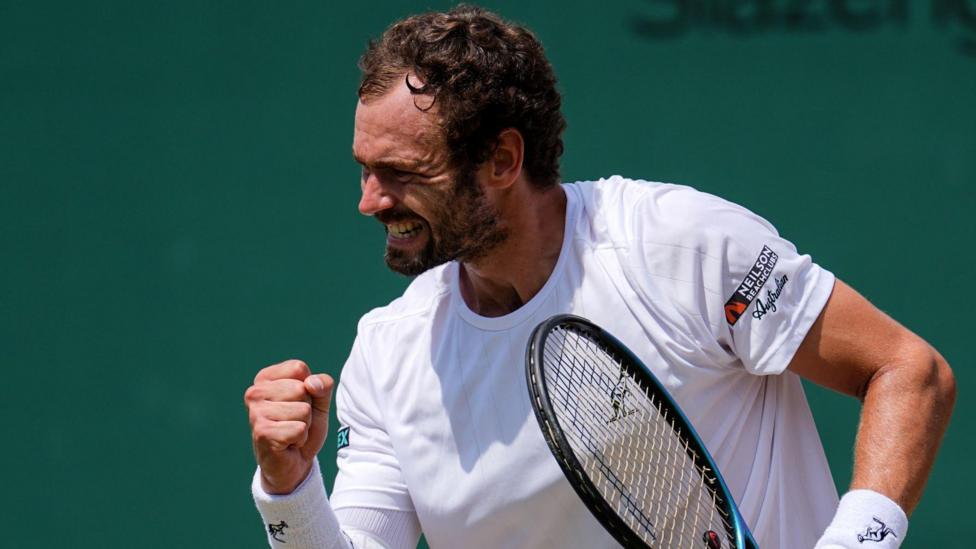
Wimbledon Qualifiers Hunt Bigger Prey After Shocking Upsets
Roman Safiullin and Shintaro Mochizuri survived qualifying chaos to reach Wimbledon's main draw, eyeing monumental assaults on Novak Djokovic and Jannik Sinner.
Serena's Wimbledon Return: Legend vs Upstart Joint
Serena Williams launches her Wimbledon singles comeback against unpredictable Australian qualifier Maya Joint in a blockbuster first-round clash.