The Pineapple Crown: Wimbledon's Golden Secret of Prestige and Pageantry
A curious pineapple tops the men's trophy, revealing Wimbledon's deep ties to colonial-era symbolism and rare status.
The roar at Centre Court has barely faded. The champion stands, chest heaving, eyes fixed upward. Not on the score, nor on the box of celebrating loved ones, but on the prize itself. Nestled atop the gleaming silver gilt of the Gentlemen's Singles Trophy is a piece of fruit. A pineapple. It's an object so out of place, yet so utterly iconic, that it whispers a story far older than any baseline rally. In a tournament drenched in tradition, from the pristine grass to the all-white dress code, this gilded pineapple is perhaps its most eloquent symbol.
A Crown for the Conqueror: The History of a Fruity Finial
To understand why the most prestigious title in men's tennis is crowned with a pineapple, one must journey back to the late 19th century. When the All England Lawn Tennis and Croquet Club first commissioned the trophy in 1887, the pineapple was not a common supermarket item. It was the pinnacle of exotic luxury, a symbol of incredible wealth, hospitality, and far-flung travel. In the Victorian era, owning or displaying a pineapple was a statement of immense social status. People would even rent a pineapple to display at parties to impress their guests.
Placing it atop the trophy was therefore a deliberate and powerful choice. It signaled that the winner was not merely a sportsman, but a figure of extraordinary achievement and global stature. The champion hadn't just won a local tournament; they had conquered a world-stage event, much like the explorers and traders who brought the fruit back from tropical voyages. The pineapple was a Victorian symbol of the rare and the remarkable, making it the perfect garnish for a sporting pinnacle.
More Than a Fruit: Decoding the Trophy's Symbolism
The pineapple is just one layer of the trophy's rich narrative. Crafted from sterling silver and partially gilded, it is adorned with a classic victorian ewer design. Around its body are figures of winged Victories, each holding a laurel crown—another nod to ancient Greek athletic tradition. The intertwining of these symbols is key. The pineapple speaks of imperial-era prestige and global reach, while the Victories reference the classical ideals of athletic glory. Wimbledon, in its physical award, marries the British Empire's historical consciousness with the timeless spirit of competition.
This fusion places the trophy in a unique position among Grand Slam awards. The French Open's Musketeers' Cup is a sleek, modernist art deco piece. The US Open trophy is a traditional, ornate silver cup. The Australian Open's Daphne Akhurst Memorial Cup is a classic salver. Wimbledon's, alone, carries this deliberate, puzzling, and deeply symbolic ornament. It doesn't just look different; it tells a different kind of story, one steeped in cultural history as much as sporting history.
The Weight of Tradition: What the Trophy Truly Represents
When Carlos Alcaraz hoisted the trophy after his epic 2023 victory, he didn't just lift five pounds of silver. He lifted 136 years of history, a lineage that includes giants like William Renshaw, Roger Federer, and Novak Djokovic. The pineapple, in this context, becomes a silent witness to eras of change in the sport—from wooden rackets to graphite, from amateur gentility to a professional global tour—while itself remaining utterly unchanged.
This continuity is the essence of Wimbledon's brand. While other tournaments evolve their aesthetics and marketing, the Championships cling to these rituals with a near-religious fervor. The pineapple is a keystone of that identity. It's a reminder that the event sees itself not as a modern spectacle, but as a custodian of a heritage, one where the spoils for victory carry a weight of historical meaning, not just material value.
A Tradition Measured in Gold Leaf
The original trophy never leaves the All England Club; it resides in a museum. The winner receives a ¾-size replica to keep. Yet the replication is meticulous, pineapple and all. This practice itself is a tradition, ensuring the symbol is perpetuated without risk to the ancient artifact. It underscores how seriously the club takes these emblems. They are not mere decorations but sacred icons of the institution's story.
In a sport increasingly driven by data, analytics, and relentless optimization, the pineapple stands as a beautiful, stubborn anachronism. It has no tactical significance, no performance metric attached to it. Its value is purely narrative and aesthetic. It connects a modern athlete, in a flash of sweat and adrenaline, directly to the starched-collar sensibilities of the 1880s. That connection is, in many ways, Wimbledon's ultimate prize.
The Modern Champion and the Ancient Symbol
What does a pineapple from the 19th century mean to a 21st-century champion? On the surface, perhaps nothing. But consider the moment of the lift. As the camera flashes, it captures not just a winner but an image that will be added to the historical tapestry. The pineapple on the trophy frames the champion within a specific, unbroken lineage. It subconsciously tells the viewer: this victory is part of a continuum.
For players like Jannik Sinner or Iga Świątek, who have spoken about the unique aura of Wimbledon, this history is not lost. The trophy is the physical manifestation of that aura. Holding it is the final ritual in a two-week immersion into the tournament's peculiar, timeless bubble. The pineapple is the quintessential detail of that experience—a little strange, perfectly elegant, and utterly unforgettable.
"You grow up seeing the images. The green grass, the white clothes, the trophy with the... pineapple. When you finally hold it, you realize you're holding all of that. It's not just silver; it's a piece of history that suddenly feels very personal." — A Grand Slam champion's reflection on the trophy's unique character.
Looking Ahead: The Enduring Power of Pageantry
As Wimbledon navigates the challenges of the modern sporting landscape, from stadium expansions to prize money debates, its commitment to such pageantry remains its anchor. The pineapple trophy is a masterclass in brand storytelling through objects. It’s a talking point, a history lesson, and a symbol of exclusivity all in one.
The next time you see a champion on Centre Court, watch the moment they first touch the trophy. Watch their eyes find that golden fruit at its apex. In that brief instant, a contract is signed across time—a promise from the present to honor the past. The pineapple, once the ultimate symbol of the rare and hard-to-obtain, perfectly describes what winning at Wimbledon still is: an achievement of consuming difficulty, immense rarity, and eternal prestige. Long may it reign.
Match Stats: The Trophy by the Numbers
- Year Created: 1887, making it one of the oldest trophies in tennis
- Material: Sterling silver with gold plating
- Height: Approximately 18 inches (45 cm) without base
- Weight: Over 5 pounds (2.3 kg)
- Distinctive Features: Victorian ewer shape, pineapple finial, figures of winged Victories
- Notable Champions' Names: Engraved on the trophy are names from William Renshaw (1881) to Carlos Alcaraz (2023)
- The Pineapple's Significance: Symbol of wealth, hospitality, and exotic rarity in the Victorian era
Editorial Integrity
This is an original SportPulse article written by our editorial team. All content is independently researched, written, and reviewed by our writers and editors before publication. We do not publish copied, aggregated, or syndicated content.
SportPulse is committed to original sports journalism. Read our editorial policy or contact us with any questions.
More Like This
All tennis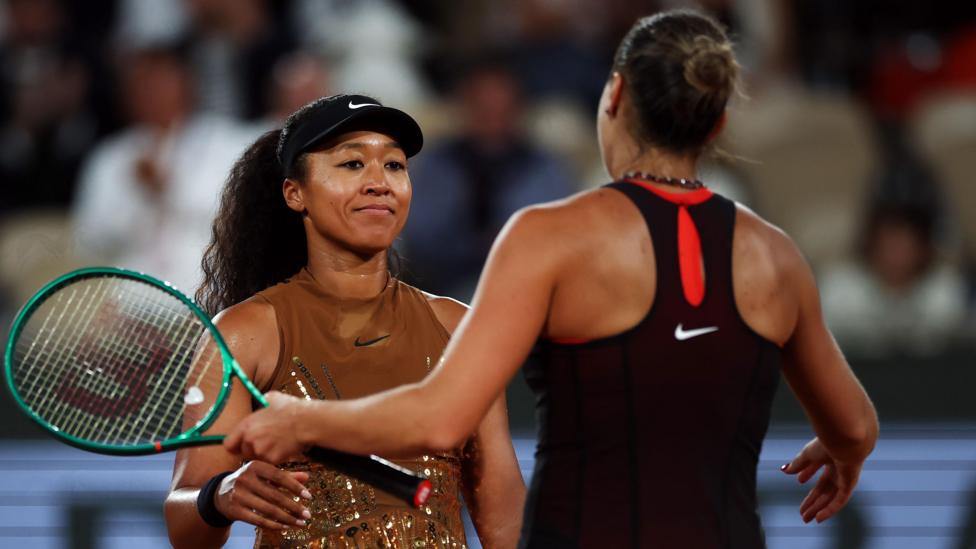
Sabalenka vs. Osaka Proved Women Deserve the Night at Roland Garros
One electric 87-minute match at Roland Garros may have finally shattered the French Open's glass ceiling under the lights.
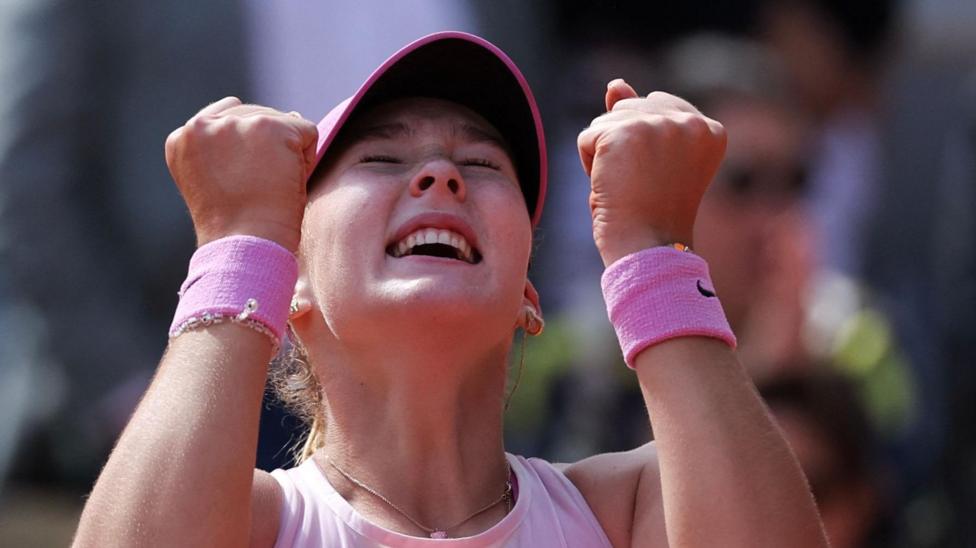
Five Reasons This French Open Will Echo Through Tennis History
Shocks, dramas, and fairytale runs at Roland Garros delivered a Grand Slam classic for the ages.
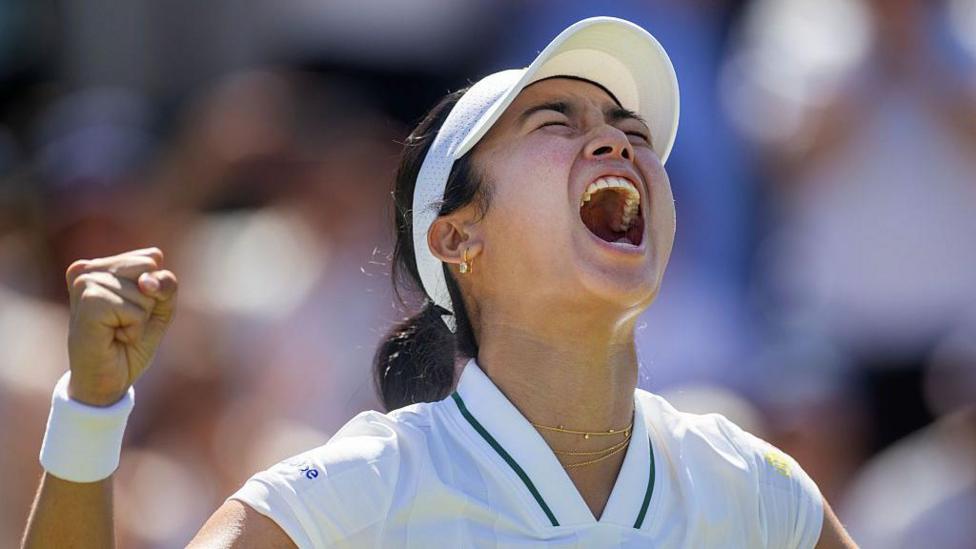
Eala Shatters Filipino Grand Slam Barrier at Wimbledon
Alexandra Eala becomes the first Filipino to reach a Grand Slam third round, electrifying a tennis-starved nation.