48 Teams, One Broken Record: How 2026 Fans Rewrote World Cup History
The 2026 World Cup shattered a 32-year attendance record before the knockout rounds even began.
A Record Smashed Before the Real Drama Begins
The numbers are staggering, and they are not finished climbing. The 2026 World Cup has officially surpassed the all-time men's tournament attendance record of 3,587,538, a mark that stood for 32 years after the 1994 edition held in the United States. The group stage alone did it. The knockout rounds haven't kicked off yet.
Let that sink in. A record that survived eight World Cups, two format changes, and the entire modern era of global football was erased with 144 group-stage matches still fresh in the books. FIFA's gamble on a 48-team, three-nation tournament spread across the United States, Mexico, and Canada is paying off in a way few predicted.
The previous record-holder? Also a US-hosted World Cup. The 1994 tournament averaged nearly 69,000 fans per match across 52 games, a figure long considered untouchable. The 2026 edition has blown past it while running a format with nearly three times as many fixtures.
The 48-Team Experiment Is Working
When FIFA announced the expansion from 32 to 48 teams, the backlash was immediate. Critics called it bloated, commercial, and dilutive. Too many meaningless matches, they said. Too many minnows getting crushed on the world's biggest stage.
The fans didn't get the memo.
Every single participating nation sent supporters who turned group-stage matches into carnival atmospheres. Mexico's travelling contingent brought a giant inflatable duck mascot that became a viral sensation. Norway's fans staged coordinated Viking rowing chants in the stands that echoed through stadiums from coast to coast. Morocco's supporters unfurled tifos that stretched across entire sections. Japan's meticulous organized cheering sections remained on their feet for the full 90 minutes, win or lose.
This is what the expansion promised but couldn't guarantee: that more nations would mean more passionate fanbases experiencing a World Cup for the first time or in decades. Countries like New Zealand, Mali, Uzbekistan, and Haiti had never appeared at a men's World Cup before 2026. Their supporters showed up not just to watch but to make a statement.
The average attendance per match sits comfortably above 50,000, a figure that would have been unthinkable for a 108-game group stage just five years ago. Stadiums in cities like Atlanta, Dallas, and Vancouver have been consistently packed, validating FIFA's decision to spread matches across 16 venues.
More Than Just Seats Filled
Raw attendance is one metric. The texture of what fans brought to these stadiums is another story entirely.
Across the group stage, supporter culture from all 48 nations turned venues into living collages of national identity. Ecuadorian fans in full yellow body paint. Senegalese drummers whose rhythms carried through stadium walls and into surrounding streets. South Korean supporters with coordinated light displays that rival K-pop concert production values.
The phenomenon wasn't limited to North American stadiums. Watch parties across the globe have become a defining image of the tournament. Fan zones in London, Berlin, Lagos, and São Paulo have drawn hundreds of thousands collectively, turning the World Cup into a truly borderless spectacle. Social media has amplified the visual theatre, with fan-cam content generating billions of views in the first three weeks alone.
The creativity has been relentless. Cameroon's Indomitable Lions faithful arrived in full tribal dress and face paint. Argentina's supporters recreated the Maracanazo atmosphere with coordinated blue-and-white card displays. Even fans of teams eliminated in the group stage left an imprint, like Peru's supporters, who sang for a full hour after their final match ended in defeat.
What the Record Means for the Tournament's Future
The 1994 World Cup in the US is widely credited with kickstarting American interest in football. It proved a sceptical sports market could embrace the global game. Attendance records set that year survived three decades for good reason.
The 2026 edition has now eclipsed that legacy with authority, and it has done so by embracing a radically different philosophy. Where 1994 succeeded by concentrating energy across nine cities and 52 matches, 2026 has spread it across 16 cities, three countries, and 104 group-stage games. The risk of dilution was real. The evidence suggests it hasn't materialised.
For FIFA, the commercial implications are enormous. Broadcasting revenue, sponsorship valuations, and merchandise sales are all tracking ahead of projections. The expanded format means more inventory for advertisers, more matchday revenue streams, and more participating nations whose domestic markets now tune in with fervour.
The counterargument hasn't disappeared entirely. Competitive balance remains a concern. Some group-stage mismatches drew smaller crowds, and the quality of football in certain fixtures didn't match the occasion. But the overall picture is one of overwhelming success on the engagement front.
What It Means
The knockout rounds now carry a weight that only builds on what the group stage established. Every match is elimination. Every stadium will be fuller, louder, and more intense.
The attendance record is not just a number. It is a verdict on the 48-team format, delivered by the people who matter most: the fans themselves. They showed up in record numbers. They painted their faces, raised their flags, and sang their songs. They turned a bloated group stage into a global festival.
FIFA will point to this record for decades as proof that expansion was the right call. Whether the football itself justified the format will be debated endlessly. What cannot be debated is that more fans than ever before chose to be part of it, and they did so with a passion and creativity that turned the 2026 group stage into the most visually spectacular opening act in World Cup history.
The real tournament starts now. But the fans already won.
Editorial Integrity
This is an original SportPulse article written by our editorial team. All content is independently researched, written, and reviewed by our writers and editors before publication. We do not publish copied, aggregated, or syndicated content.
SportPulse is committed to original sports journalism. Read our editorial policy or contact us with any questions.
More Like This
All football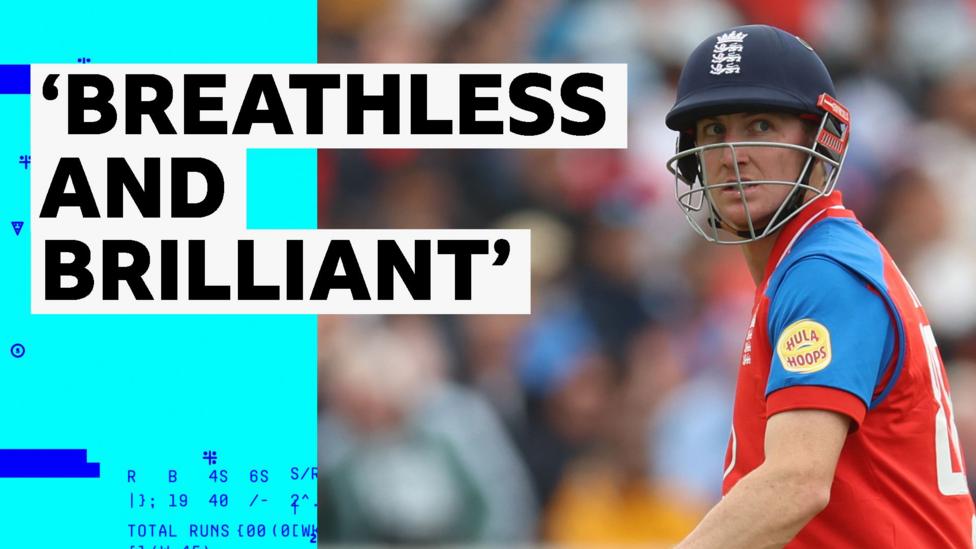
Brook's 15-Ball Blitz Levels Series as England Stun India at Old Trafford
Harry Brook hammered 39 off 15 balls to rescue England from crisis and chase down India's 191 in the second T20 at Old Trafford.
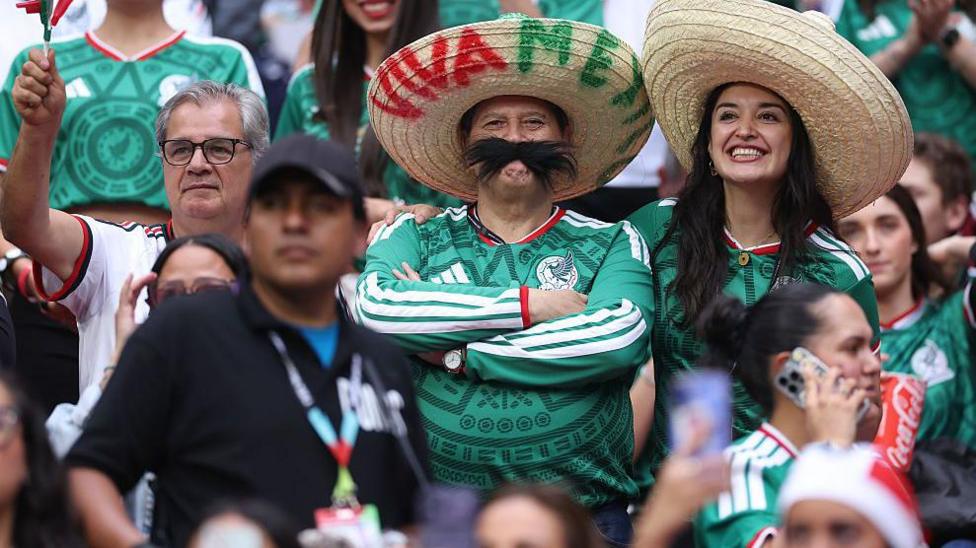
Ecuador Cry Foul Over Mexico Fans' Hotel Siege Before World Cup Showdown
Ecuador's noise complaint before facing co-hosts Mexico exposes the ugly underbelly of World Cup home advantage.
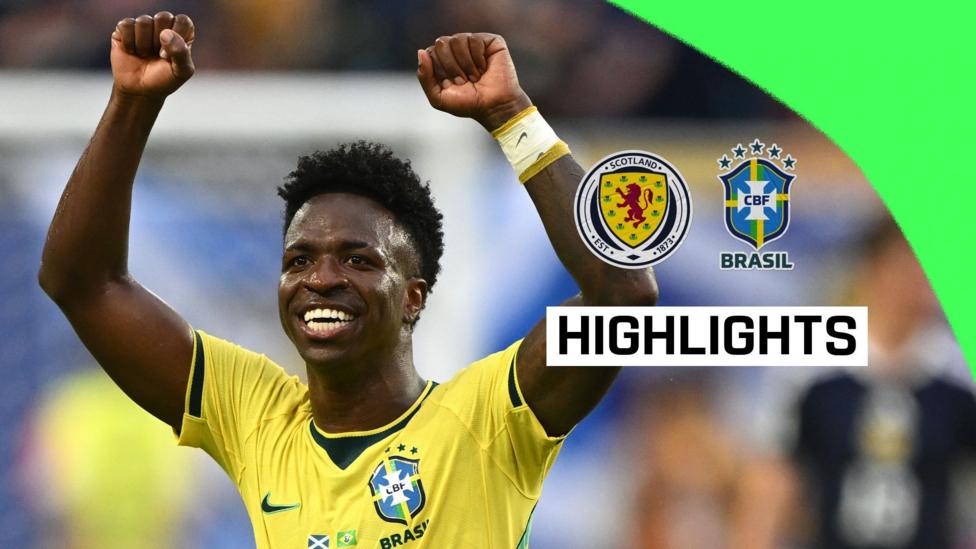
Scotland's World Cup Dream Hangs by a Thread After Brazil Collapse
Calamitous defending handed Brazil a 3-0 win in Miami, leaving Scotland's knockout hopes on a knife edge.