The 2026 World Cup Will Be Everywhere. Here's How to Catch Every Second.
With 104 matches across three nations, the 2026 World Cup demands a new playbook for how fans consume the tournament.
A Tournament Too Big to Miss
Here's a number that should stop you in your tracks: 104 matches. That's how many games the 2026 FIFA World Cup will deliver across the United States, Canada, and Mexico. For context, the 2022 tournament in Qatar featured 64. The jump is staggering, and it forces a question that every football fan on the planet is quietly wrestling with right now.
How do you actually watch all of it?
BBC Sport's Ask Me Anything team recently addressed this head-on, laying out how supporters in the UK can access match highlights and full replays during the tournament. It's a practical guide, sure. But it also signals something much bigger: the broadcast and streaming ecosystem for World Cup football is in the middle of its most dramatic transformation since the tournament first flickered onto television screens.
The Expanded Format Changes Everything
The 2026 World Cup isn't just bigger. It's structurally different.
48 teams will compete for the first time in tournament history, up from the 32-team format that has been in place since France 1998. The group stage alone will run 54 matches across 12 host cities spread across three countries and multiple time zones. Kick-offs will range from early afternoon local time to late evening, which means fans in Europe could be watching live football from roughly 5pm through to 5am GMT on any given matchday.
"The scheduling challenge is unlike anything FIFA has ever attempted. You're coordinating across Eastern, Central, Mountain, and Pacific time zones simultaneously."
That quote from a broadcast logistics analyst sums up the operational maze. But for the viewer sitting at home in Manchester or Milan, it translates to one thing: an overwhelming wall of football, and the real risk of missing moments that define a tournament.
Why Highlights Matter More Than Ever
This is where the BBC's clarification becomes genuinely important. The ability to watch full match replays and curated highlights isn't a nice-to-have anymore. It's a lifeline.
During Qatar 2022, BBC iPlayer recorded a surge in on-demand viewing as fans juggled work schedules, family commitments, and the compressed fixture list. Highlights packages consistently ranked among the most-watched content on the platform throughout the tournament. With 60% more matches in 2026, that demand will only intensify.
BBC Sport and ITV have historically shared UK broadcasting rights for the World Cup, splitting group-stage matches and alternating knockout-round coverage. Both networks have invested heavily in their respective streaming platforms, with BBC iPlayer and ITVX both offering catch-up functionality that allows fans to watch full 90-minute replays without knowing the score.
That spoiler-free replay option is crucial. It transforms a chaotic, overlapping schedule into something personally manageable. Missed the 11pm kick-off because you had work the next morning? The full match is waiting for you at breakfast, untouched.
The Streaming Wars Hit the World Cup
The landscape isn't just about traditional broadcasters anymore. FIFA itself has entered the streaming arena with FIFA+, its free global platform that launched in 2022. The service has been steadily expanding its live match offerings and archive content, and the 2026 tournament represents its biggest test yet.
In the United States, where the majority of matches will be played, rights have been split between FOX Sports and the streaming ecosystem. Telemundo holds Spanish-language rights. For the first time, the host nation audience will have fragmented access depending on language preference, platform subscription, and device.
"The 2026 World Cup will be the most distributed sporting event in history. No single platform will carry every match for every audience."
That fragmentation creates opportunity and frustration in equal measure. Fans who are willing to navigate multiple apps will find more content than ever before. Those who just want to sit down and press play will need to do more homework.
The Social Media Wildcard
There's another dimension that didn't exist in this form even four years ago. Short-form content on platforms like TikTok, Instagram Reels, and YouTube Shorts will serve as the de facto highlights engine for an entire generation of fans.
During the 2022 World Cup, FIFA's social media channels generated over 93 billion impressions across platforms throughout the tournament. The Kylian Mbappé hat-trick in the final alone produced tens of millions of views within hours. For fans under 25, the traditional highlights package on a broadcaster's platform competes directly with a 60-second clip algorithmically served into their feed.
BBC and ITV both understand this dynamic. Their 2026 coverage will almost certainly lean into bite-sized, shareable content alongside the traditional long-form highlights and full replays. The question is whether that helps or cannibalizes their core viewing metrics.
The Time Zone Problem Nobody's Talking About
Here's an angle that deserves more attention: kick-off times.
With matches spread across MetLife Stadium in New Jersey, SoFi Stadium in Los Angeles, Estadio Azteca in Mexico City, and BMO Field in Toronto, the scheduling variance is enormous. A 1pm Pacific kick-off translates to 9pm in London. A 5pm Eastern start is 10pm in the UK. But an 8pm Pacific evening match doesn't begin until 4am GMT.
For UK and European fans, this creates a daily dilemma. Group stage matchdays with six games could stretch across a 12-hour window of live football. No one is watching all of it live. This is precisely where the combination of live broadcasts, replay functionality, and spoiler-free highlights becomes the backbone of the viewing experience.
The 2002 World Cup in Japan and South Korea offered a preview of this problem. Fans across Europe endured years of sleep deprivation watching matches at dawn. But the infrastructure for catching up simply didn't exist then. There was no iPlayer, no ITVX, no FIFA+. If you missed it, you missed it.
Twenty-four years later, the technology has caught up with the geography.
What This Means for the Fan Experience
The practical reality for a UK-based supporter planning their 2026 World Cup consumption looks something like this:
- Live matches will rotate between BBC and ITV, with simultaneous kick-offs split across both platforms.
- Full match replays will be available on BBC iPlayer and ITVX, with spoiler-free navigation.
- Curated highlights packages will be produced for every single match across all 104 fixtures.
- FIFA+ may offer complementary coverage and archive content not available on domestic broadcasters.
- Social media will deliver instant reaction clips, but with the inherent risk of spoilers.
The BBC's Ask Me Anything response to the original query was straightforward and helpful. But beneath that simplicity lies the most complex broadcast challenge the World Cup has ever presented.
Looking Ahead
The 2026 World Cup will test whether the modern media ecosystem can absorb an event of this scale without breaking. Three host nations. 48 teams. 104 matches in 39 days. Kick-offs spanning four time zones and twelve cities.
FIFA has bet that bigger is better. Broadcasters have bet that fragmented distribution is sustainable. And fans have bet that the technology exists to make none of it feel overwhelming.
The BBC's highlights and replay infrastructure is just one piece of a sprawling puzzle. But for millions of supporters who can't take a month off work to watch football live, it might be the piece that matters most.
The tournament kicks off on June 11, 2026. The countdown has already begun. And for the first time in World Cup history, missing a match no longer means missing the story.
Editorial Integrity
This is an original SportPulse article written by our editorial team. All content is independently researched, written, and reviewed by our writers and editors before publication. We do not publish copied, aggregated, or syndicated content.
SportPulse is committed to original sports journalism. Read our editorial policy or contact us with any questions.
More Like This
All football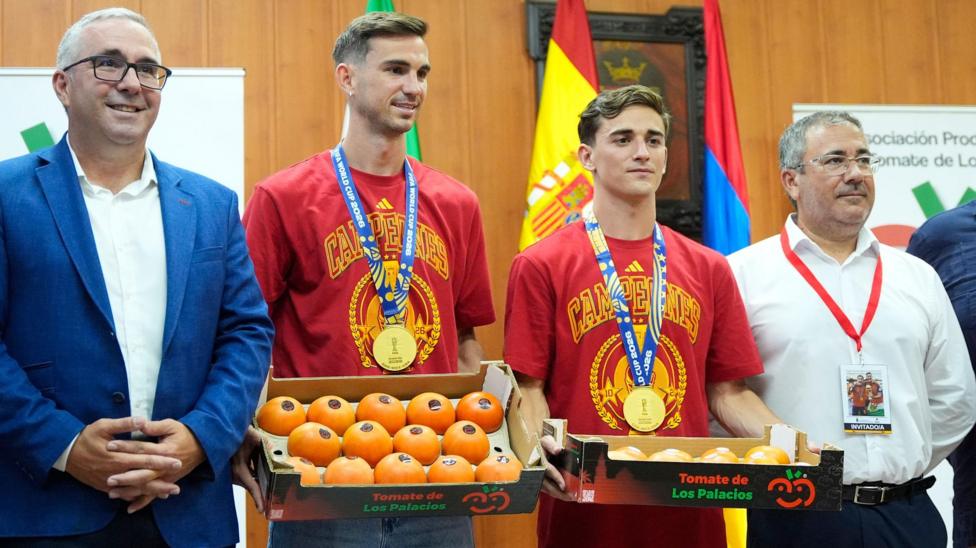
Ruiz and Gavi’s Tomato Tribute: A Hometown Reward for World Cup Glory
Spain stars Fabian Ruiz and Gavi receive their weight in tomatoes from Los Palacios y Villafranca.
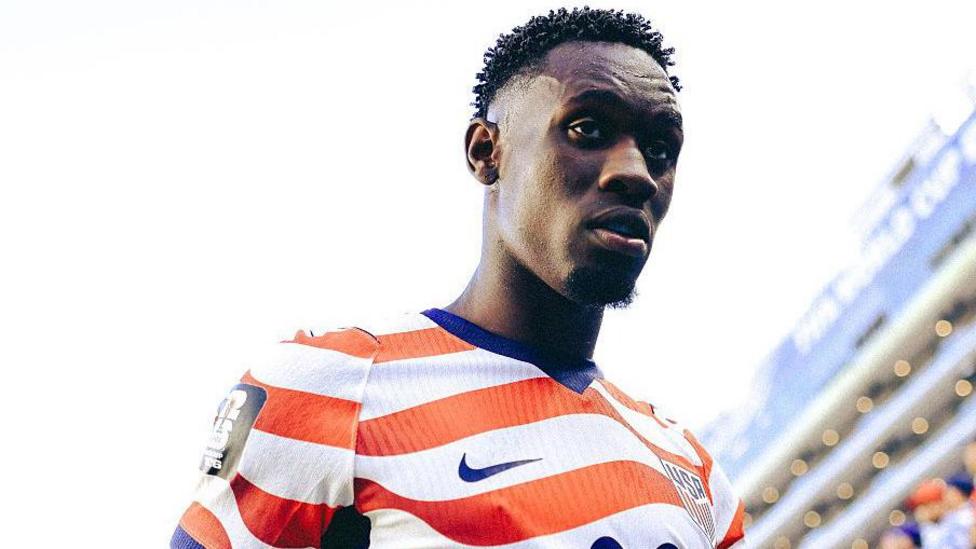
Balogun Braced for Storm After FIFA Waives World Cup Ban
Folarin Balogun admits FIFA's shock decision to waive his one-game ban brought controversy and nerves to the USMNT camp.
Decoding the Dopamine of the World Cup Guessing Game
A simple daily puzzle about World Cup stars has become an irresistible daily habit for football obsessives.