The Mbappé World Cup: When Individual Stars Outshine Nations
This tournament isn't about teams anymore. It's a constellation of solo acts vying for glory.
Forget the anthems. Discard the tactical chalkboards. In the 2026 World Cup, the collective has been relegated to a supporting role. This isn’t a tournament of systems or national identity; it’s a relentless, globalized coronation tour for its biggest names.
The shift is seismic. Consider the language. France did not grind out a win against Iraq. Instead, Kylian Mbappé threw down the gauntlet to Erling Haaland and Harry Kane. The result was a footnote; the salvo in the Golden Boot arms race was the headline. This is the new normal.
The Era of the Individual Supremacy
The evidence is baked into the digital footprint of the event. Google search data reveals a staggering truth: Miroslav Klose’s all-time World Cup goal record has been queried more in the last two weeks than in the year the German legend actually set it. The focus isn’t on team progression; it’s on the individual chase for immortality.
The group stage, traditionally the narrative bedrock of a World Cup, has felt like an inconvenient distraction from the main event. Fans and media aren’t dissecting defensive shapes; they’re tallying goals, calculating per-90-minute averages, and debating whether Lionel Messi, at this stage of his mythic career, can finally lift the one trophy that has evaded him.
This isn’t happening by accident. The industry itself, from broadcasters to sponsors, has engineered this reality. Star power drives engagement, clicks, and eyeballs. A narrative about a cohesive Belgian midfield doesn’t trend globally. Mbappé vs. Haaland does. The tournament’s very structure feels optimized for hero ball.
The Tactical Fallout on the Pitch
The consequences are visible in every match. Defenses are organized not to stifle a team’s pattern of play, but to double-mark and contain a singular threat. Managers build their entire game plans around the opposition’s talisman, sometimes at the expense of their own offensive fluidity.
You see it in the hushed, anxious energy that grips a stadium when Vinícius Júnior gets the ball in the final third. You hear it in the commentary, which pivots from analyzing team shape to breathlessly tracking one player’s heat map. The collective framework is now just the stage for the star’s performance.
“You can prepare for a team. You can study their set pieces, their press. You can’t prepare for a moment of pure genius from a player who decides the game on his own. That’s what we’re facing every round.” — A hypothetical senior coach, framing the universal managerial headache.
More Than Just the Golden Boot
This phenomenon transcends the goalscorers. The “individual over collective” mantra applies to playmakers and defenders too. The spotlight follows Jude Bellingham’s driving runs as intensely as it tracks Messi’s vision. Virgil van Dijk’s aerial dominance is discussed as a personal benchmark for all center-backs in the competition.
The atmosphere in the mixed zone after a match underscores this. The first and loudest questions are rarely for the team’s unsung hero who made a crucial block. They’re for the star, about his goals, his legacy, his direct duel with the other team’s star. The locker room narrative is framed by individual milestones, not just the three points.
Even a team like Australia, facing Paraguay, isn’t just playing for a spot in the Round of 32. They’re playing as the supporting cast in a storyline where they must nullify one or two key Paraguayan threats. The tactical question becomes: how do we stop him, not how do we stop them?
What It Means
This tectonic shift changes the very criteria for success in this World Cup. A team can exit in the group stage, but if their star player delivers a dazzling, record-breaking performance, the narrative can still be spun as a personal triumph. Conversely, a solid, efficient team victory might be dismissed as boring if it lacks a starring, viral moment.
The knockout rounds will amplify this to an extreme degree. The pressure on managers will be immense. Do you shackle your own star to help the team’s defensive structure? Or do you give him free rein, accepting the risk, because you know he’s your only path to victory? The coach’s dilemma is now fundamentally about managing egos and maximizing individual brilliance within a fragile team construct.
As the tournament progresses, the tension will only grow. We are watching a World Cup that feels less like a celebration of international football’s diversity and more like the ultimate, high-stakes reality show starring the planet’s most elite athletes. The trophy is still for the last team standing, but every conversation, every statistic, and every highlight reel will tell you: this tournament belongs to the stars. The teams are just wearing their jerseys.
Editorial Integrity
This is an original SportPulse article written by our editorial team. All content is independently researched, written, and reviewed by our writers and editors before publication. We do not publish copied, aggregated, or syndicated content.
SportPulse is committed to original sports journalism. Read our editorial policy or contact us with any questions.
More Like This
All football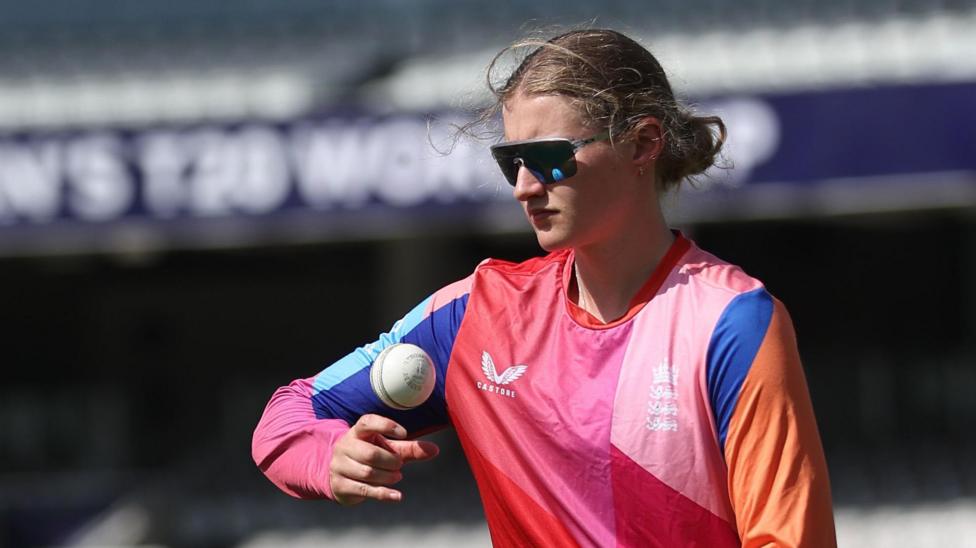
England Turn to F1 Cooling Vests for Caribbean Heat
Stand-in captain Charlie Dean reveals England will deploy Formula 1-style cooling vests to combat brutal Caribbean conditions against West Indies.
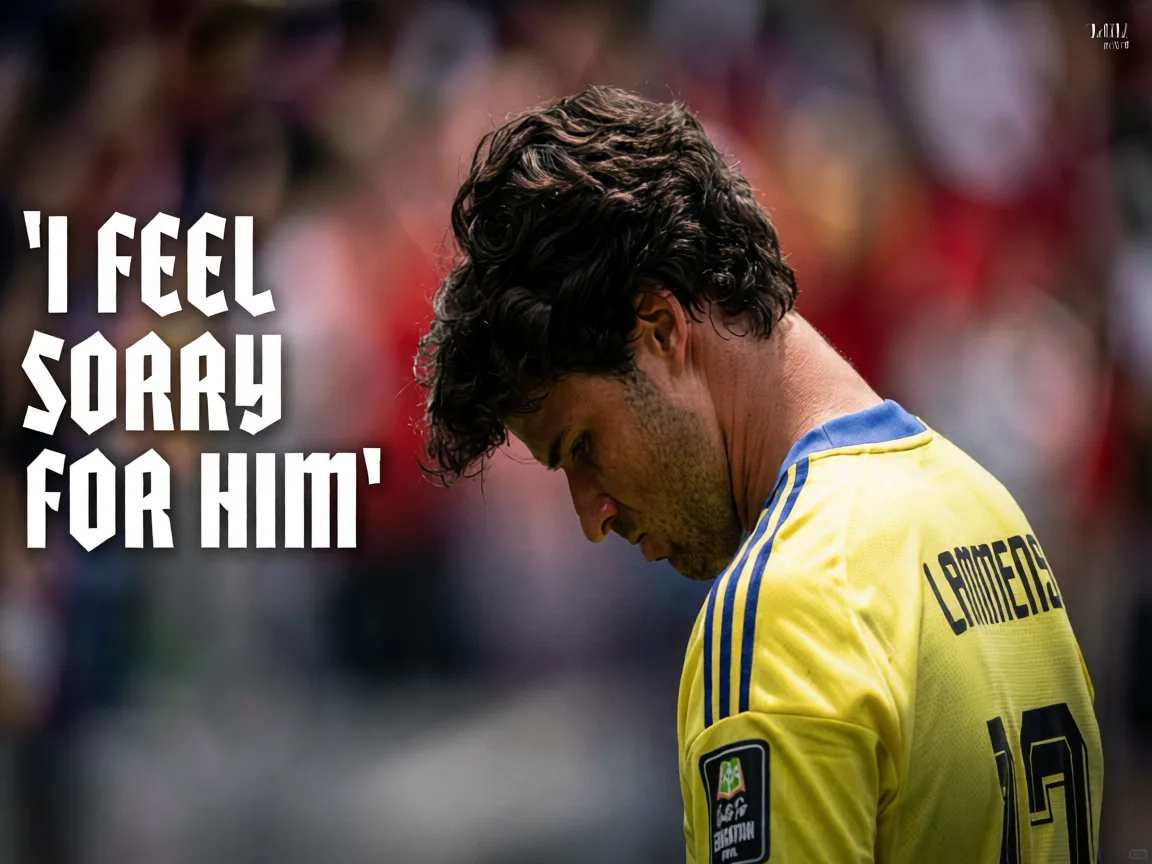
Lammens, Cold and Unrhythmic: Belgium's Goalkeeper Gamble Backfires
Senne Lammens entered Belgium's quarter-final cold and unrhythmic, his late error gifting Spain a World Cup semifinal berth.

Schmeichel's Verdict: Why Scotland's World Cup Dream Lives or Dies
Kasper Schmeichel breaks down Scotland's World Cup hopes and the lonely brilliance of life between the posts.