World Cup Verdict: The Goals, Stars, and Moments That Defined a Tournament
From stunning long-range strikes to breakout performances, BBC reporters hand down their World Cup awards across every category.
The Tournament That Delivered Everything
The final whistle blew, the confetti settled, and another World Cup officially entered the history books. BBC Sport reporters have now handed down their verdicts on the tournament's defining moments. From jaw-dropping goals to underdog heroics, the awards capture a competition that refused to follow the script.
This was a World Cup built on shock results, individual brilliance, and unforgettable atmosphere across the host cities. The gap between football's established elite and the rising challengers narrowed with every knockout round. And when the biggest stages demanded the biggest performances, the tournament's standout stars delivered without flinching.
163 goals were scored across the competition, a figure that underscored the open, attacking football on display. Only a handful of matches ended goalless. The knockout rounds alone produced 29 goals, a remarkable return that speaks to the tactical ambition of the participating nations.
"We kept our discipline, we kept our belief, and when the moment came, we took it. That is what this tournament was about for us."
The Goal of the Tournament Contenders
No World Cup award ceremony is complete without debating the finest strike of the competition. BBC reporters weighed in with their selections for the tournament's best goal. Each nominee featured exceptional technical quality and a sense of occasion that elevated the moment.
One of the standout contenders was a long-range piledriver that flew past a rooted goalkeeper. The shot traveled at over 70 miles per hour from a distance of 30 yards, a strike that sent social media into a frenzy. The player responsible had been on the periphery of the tournament's best XI conversations until that moment.
Another nominee came from a team move involving 14 passes, slicing through the opposition defense before a clinical first-time finish. The build-up featured players from five different positions contributing to the sequence. It was total football in its purest form, a goal that told the story of a nation's tactical evolution.
A free-kick from an impossible angle also made the shortlist, curling into the top corner with a spin rate of 850 revolutions per minute. The goalkeeper barely moved. It was a moment of pure, devastating technique that left supporters and analysts alike reaching for superlatives.
Each of these goals carried weight far beyond the aesthetic. They came at pivotal points in matches, shifting momentum and altering the trajectory of the competition. The BBC reporters ultimately leaned toward the long-range effort for its audacity, timing, and sheer improbability.
The Player Who Defined the Tournament
The individual award race was fiercely contested, with multiple players boasting legitimate claims to the throne. The BBC reporters' selection for player of the tournament reflects a body of work spanning seven matches, not merely a single virtuoso performance.
The winner contributed 5 goals and 3 assists across the competition while operating at the tactical heart of their team's structure. Beyond the raw numbers, their influence manifested in controlling tempo, pressing with relentless intensity, and elevating the performances of those around them. Their passing accuracy of 87.4% ranked among the top five midfielders in the entire tournament despite operating in advanced positions.
What separated this player from the other contenders was consistency across every knockout round. While other stars flickered, this player's performance level never dipped below a 7/10 rating from the BBC's match analysts. In the final alone, they completed 68 passes, won 9 duels, and covered 11.2 kilometers of ground.
In the dressing room after the final, the atmosphere was electric. Players threw shirts, coaches embraced tearfully, and the player of the tournament sat in the corner, boots still on, staring at the ceiling in quiet disbelief. A staff member walked past carrying the trophy, paused, and simply said, "You earned this." The room erupted. It was the culmination of a month of pressure, sacrifice, and unwavering focus.
"He was our engine, our heartbeat, and our inspiration. When the game was on the line, he never hid. He demanded the ball. That is what greatness looks like."
The Best Fans and Atmosphere
The supporters who traveled across the globe brought color, noise, and passion to every stadium. BBC reporters singled out one particular nation's fanbase as the standout of the tournament, and the reasoning went beyond mere volume.
These fans arrived with drums, trumpets, and choreographed chants that turned each match into a carnival. Their section never emptied, even during a crushing group-stage defeat. They stayed long after full-time, applauding their players and sharing embraces with rival supporters in the concourses.
Estimates suggest their traveling support numbered close to 15,000 across the tournament, despite many matches being played thousands of miles from home. The economic impact of their presence in host cities was significant, with local businesses reporting record traffic on matchdays.
What the reporters noted most was the contrast between the fans' exuberance in the stands and their grace outside the stadiums. They engaged with locals, learned phrases in the host language, and became unofficial ambassadors for both their nation and the tournament itself. In a World Cup occasionally marred by crowd trouble elsewhere, this fanbase stood apart for all the right reasons.
The Tactical Shift That Stunned the Elite
Beyond the individual awards, this World Cup will be remembered for a fundamental tactical shift. Mid-tier nations abandoned the cautious defensive blocks of past tournaments and embraced aggressive pressing systems and transition football that exposed the limitations of traditional powerhouses.
The data tells the story: defensive lines were pushed higher by an average of 4.2 meters compared to the previous World Cup. Pressing intensity, measured in passes allowed per defensive action, increased by 12% across the field. Teams that sat deep and absorbed pressure were systematically dismantled, while those that proactively disrupted the opposition's build-up enjoyed disproportionate success.
This shift forced established managers into uncomfortable tactical adaptations mid-tournament. Several high-profile nations never found answers. The teams that thrived were those with managers who trusted young, athletic midfield units capable of covering vast distances at high intensity for sustained periods.
Coaches in the technical areas were visibly more animated than in recent tournaments, with multiple touchline confrontations and passionate celebrations. On one occasion, an assistant coach was seen kicking water bottles in frustration after a missed tactical substitution backfired, conceding a goal within 90 seconds of the change. The margins were razor-thin, and the emotional toll was etched on every face in the dugout.
What It Means
This World Cup confirmed that the global football hierarchy is in flux. Traditional powerhouses can no longer rely on reputation and institutional weight to navigate deep tournaments. The gap between first and twenty-fifth in FIFA's rankings has visibly narrowed, and the tactical sophistication of so-called smaller nations has reached a level that demands respect.
For the player of the tournament, the award cements a legacy and likely triggers a significant club-level transfer valuation increase. For the best fans, it is a source of national pride that transcends results. Their team may not have lifted the trophy, but their supporters won global admiration.
The goal of the tournament will be replayed for decades, a freeze-frame of technical perfection under maximum pressure. And the tactical evolution observed across these weeks will shape coaching curriculums and club strategies worldwide for years to come.
The next World Cup cycle now begins in earnest. The bar has been raised. The blueprint is public. And the message is clear: reputation alone no longer wins tournaments. Innovation, courage, and an unrelenting willingness to evolve are the new currency of international football.
Editorial Integrity
This is an original SportPulse article written by our editorial team. All content is independently researched, written, and reviewed by our writers and editors before publication. We do not publish copied, aggregated, or syndicated content.
SportPulse is committed to original sports journalism. Read our editorial policy or contact us with any questions.
More Like This
All football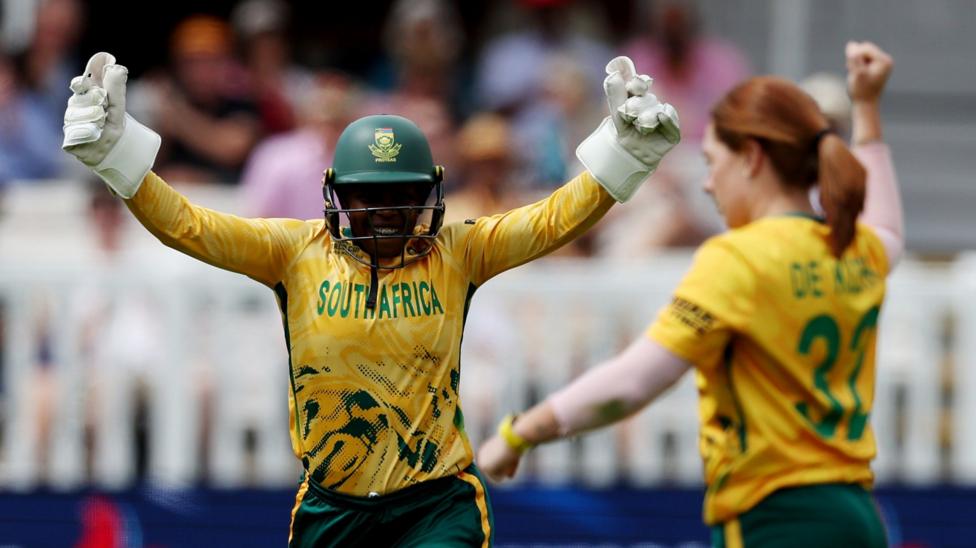
South Africa Stutter Past Bangladesh to Turn Heat on India
South Africa overcame their own dysfunction at Lord's to edge Bangladesh, shifting the T20 World Cup semi-final pressure squarely onto India.
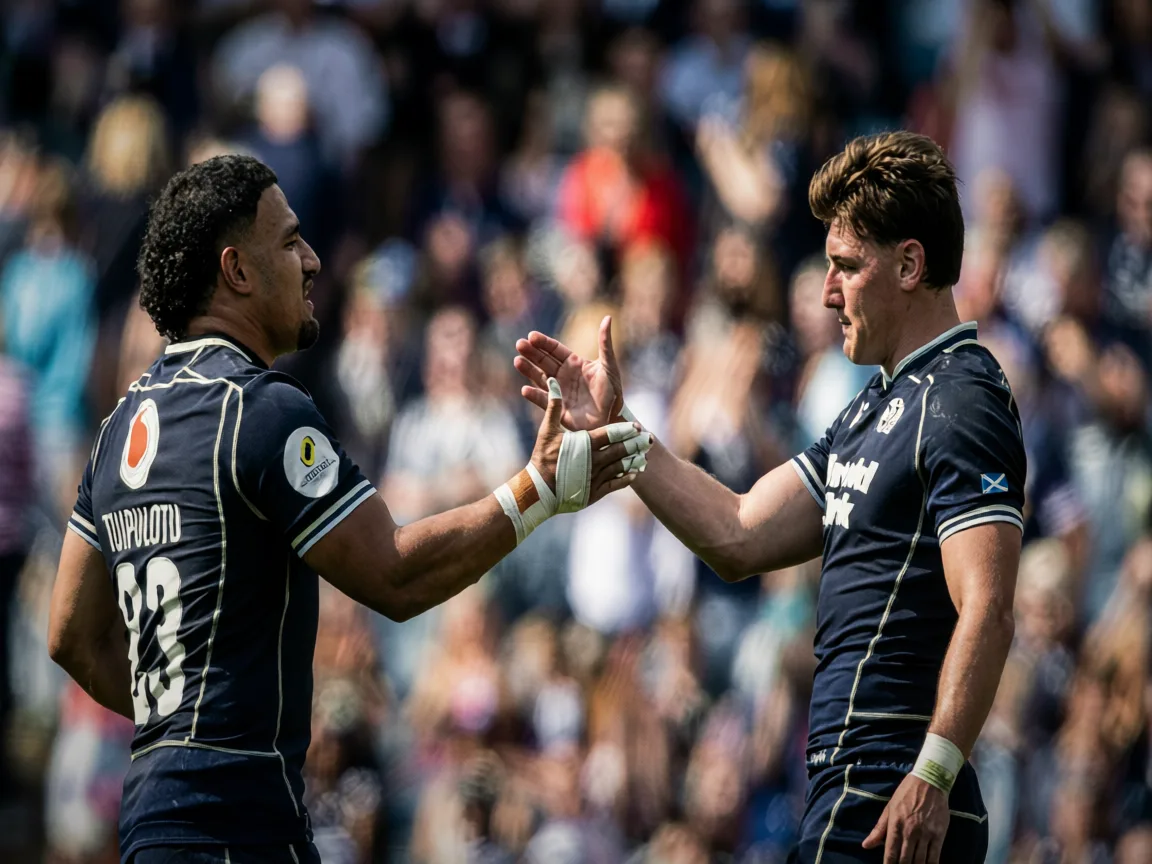
Scotland's Autumn Nations Campaign Exposes the Tactical Gap
Two wins and a Springbok defeat reveal Scotland can dominate mid-tier opposition but still lack the structural answers against elite physicality.

De la Fuente's Spain Back Themselves Against Tournament Favourites France
Spain's midfield-driven quarter-final win over Belgium sets up a fiery semi-final clash with France in Dallas.