How World Cup Suspension Rules Reshape Tactical Masterplans
Fifa's suspension rules force constant tactical recalibration, turning single yellow cards into profound strategic dilemmas.
Every four minutes at a World Cup, the rhythm of a match is disrupted by a foul. Most are routine, quickly forgotten in the flow of the game. But the cumulative effect of these stoppages, meticulously recorded by the officials, creates an underlying tactical tension that dictates how managers approach the tournament's latter stages. Fifa's suspension rules regarding yellow and red cards are not merely administrative protocols. They are strategic parameters that profoundly influence squad rotation, pressing intensity, and in-game risk management.
The fundamental framework is straightforward, yet its application demands constant vigilance. A player who accumulates two yellow cards across different matches faces an automatic one-match suspension. This accumulation resets only after the quarter-final stage, meaning the peril of suspension stretches across five matches. A straight red card carries an automatic one-match ban, with Fifa's disciplinary committee possessing the authority to extend this depending on the severity of the offense.
The Tactical Tax of Accumulation
For the continental tactician, the yellow card accumulation rule is a slow-burning crisis. It forces a constant evaluation of risk versus reward, particularly when a team has already secured advancement to the knockout rounds. Consider the midfield orchestrator operating on a yellow card. His natural inclination is to disrupt the opponent's build-up through tactical fouls, a staple of any functional gegenpressing system. But a second caution means exclusion from the following match.
This reality forces a shift in pressing triggers. A manager may instruct a cautioned player to abandon his usual role as the first defender, instead dropping into a deeper lying position to avoid committing the type of cynical, transition-stopping foul that frequently draws a booking. The resulting gap in the pressing structure can be exploited by an astute opponent, turning an individual disciplinary constraint into a systemic vulnerability.
The reset mechanism itself is a subject of intense debate among coaching circles. The amnesty arrives after the quarter-finals, a design choice that guarantees no player is suspended for the final solely due to accumulated yellow cards. However, it places a disproportionate burden on the early knockout phases. A caution picked up in the Round of 16 remains active through the quarter-final. Consequently, the semi-final often becomes a chaotic staging ground where players who have narrowly survived the quarter-final reset can finally operate without the specter of suspension looming over the ultimate match.
The Anatomy of a Red Card
While yellow cards represent a creeping tax on a squad's depth, red cards are immediate tactical earthquakes. The distinction between a second yellow and a straight red is critical from a coaching perspective. A second yellow, often born from frustration or poor positional play, reflects a failure of individual discipline within the system. A straight red, particularly for denying a clear goalscoring opportunity, frequently stems from a structural failure, such as a high defensive line collapsing or an aggressive offside trap being bypassed.
The mandate of an automatic one-match suspension for a red card is the baseline. The real anxiety for a coaching staff lies in the discretion of the Fifa disciplinary committee. A standard reckless challenge garners the minimum ban. However, instances of violent conduct, serious foul play, or egregious dissent can see the suspension extended to two matches or more. This precariousness forces managers into deep calculations during the group stage, knowing that a moment of madness could effectively end a player's tournament before the final weekend.
Tactical Shift
The most fascinating tactical paradox of Fifa's suspension rules occurs when a team qualifies for the knockout stage with a match to spare. Faced with key players sitting on yellow cards, managers are forced into extensive squad rotation, fundamentally altering the team's automatisms.
Imagine a side that has won its first two group games. The final match is effectively a dead rubber, but four vital starters are carrying a single yellow card. The manager faces an impossible dilemma: field the strongestavailable XI to maintain competitive rhythm and tactical cohesion, or protect those four players by resting them, thereby fielding a disjointed side that lacks overall synchronization.
History shows a decisive split in tactical philosophy. Pragmatists frequently choose preservation, rotating the at-risk players to ensure a fully fit and available roster for the knockout clash. This requires deploying a completely altered midfield configuration or back four for one match, sacrificing fluidity for future insurance. The ripple effect is severe. A backup full-back might be thrust into action, requiring a shift from a high defensive line to a deeper mid-block to compensate for a lack of pace. Conversely, idealists argue that competitive rhythm is paramount, that disrupting the starting eleven erodes the sharpness required for the knockouts. Thus, they keep their cautioned stars on the pitch, demanding they adapt their game to avoid the fatal second yellow.
The Rule Exceptions and Nuances
- Yellow cards reset after the quarter-final stage, ensuring no World Cup final participant is suspended via accumulation.
- A player receiving two yellow cards in a single match receives a red card and serves a one-match ban. It does not count as two separate yellows towards the tournament tally.
- Suspensions from red cards can be extended by Fifa's disciplinary panel, a factor that complicates squad planning and psychological preparation for the remainder of the tournament.
Coaching Philosophy Under Constraint
Elite coaches treat the rulebook as another variable to manipulate. The accumulation rule actively incentivizes a proactive approach to group stage progression. Securing early qualification is not just about resting legs; it is about buying the tactical latitude to manipulate the final group match.
During a high-stakes knockout match, a manager trailing by a goal may look at his bench and see his primary creative substitute is one yellow away from missing the next round entirely. Deploying a player carrying that burden demands a specific set of tactical instructions. He must be shielded from defensive responsibilities, instructed to avoid pressing triggers, and isolated in advanced areas where tackling is a minimal requirement. This tactical specialization, born entirely from disciplinary constraints, often results in a shift to a highly asymmetrical attacking shape.
"You cannot change the rules, but you can change the system. We plan for the absent player long before the card is shown, integrating his replacement into the mental geometry of the team. Accumulation is an opponent we scout relentlessly."
The Psychological Dimension
There is a profound psychological element to playing on a yellow card. The caution fundamentally alters a player's risk assessment. The aggressive ball-winning midfielder transforms into a passive observer of the tackle. The explosive inverted winger who regularly tracks back to double up on the oppositionフルバック suddenly stays high up the pitch, refusing to engage in physical battles to avoid a second booking.
Opponents are acutely aware of this vulnerability. Tactical targeting is an unspoken reality of tournament football. Teams will deliberately isolate a cautioned player, driving the ball toward his zone to force a decision. Will he commit to the challenge and risk expulsion, or will he allow the play to bypass him, exposing his defensive unit?
This creates a cascading tactical effect. When one player refuses to press or engage, the entire defensive shape must compensate. Teammates are forced to cover larger spaces, pushing the line of engagement deeper and surrendering territorial control. One yellow card can single-handedly diminish a team's capacity to execute a high press.
What Comes Next
Looking ahead to the next World Cup cycle, the interaction between suspension rules and tactical systems will only deepen in complexity. The modern trend toward possession-based buildup from the back already places central defenders in vulnerable positions, forcing last-ditch fouls when the high line is breached. As pressing systems become more sophisticated, the threshold for what constitutes a tactical foul, and thus a yellow card, will become increasingly contentious.
Coaches will dedicate even more time to grooming secondary units capable of seamlessly replicating the primary phase-of-play structures. The ability to replace a suspended player without altering the team's fundamental geometrical distribution on the pitch will separate the contenders from the pretenders. In modern tournament football, surviving the referee's notebook is as vital as outscoring the opponent.
Editorial Integrity
This is an original SportPulse article written by our editorial team. All content is independently researched, written, and reviewed by our writers and editors before publication. We do not publish copied, aggregated, or syndicated content.
SportPulse is committed to original sports journalism. Read our editorial policy or contact us with any questions.
More Like This
All football
Chasing the European Jackpot: How Much Have PL Clubs Banked in Europe?
Arsenal, Aston Villa and Crystal Palace are cashing UEFA checks, but how do those millions stack up against domestic revenue?
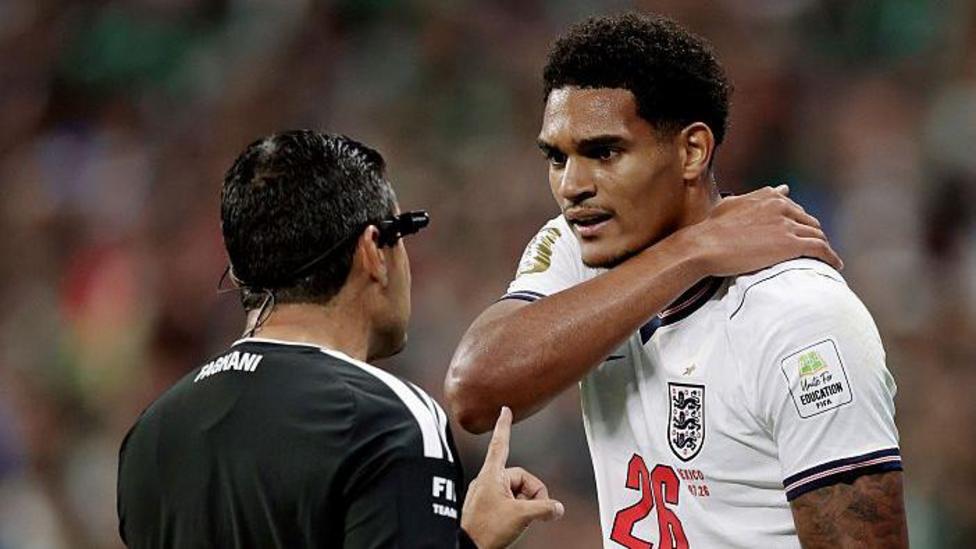
Quansah Red Card Sparks FA Appeal Debate Amid Tactical Fallout
England's defensive structure unravels after Quansah's dismissal, forcing Southgate into emergency tactical recalibration against Mexico.
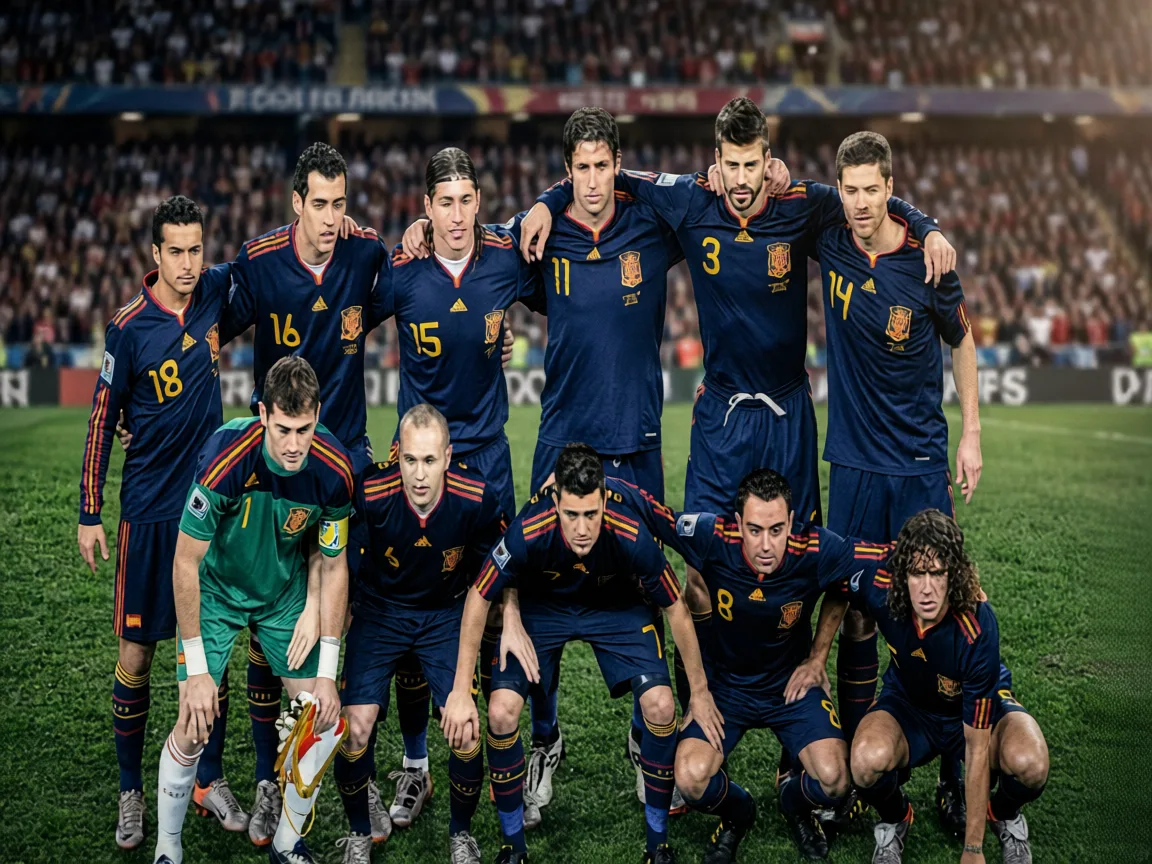
From Iniesta to Yamal: How Spain 2026 Compares to the 2010 Legends
Spain's 2026 contingent mirrors the 2010 legends in system and philosophy, but personnel reveals where they might surpass or fall short.